The shift
After the war, better magnets, amplifiers, and standardized components made sound reinforcement more reliable. The PA was still usually an accessory to the venue—not yet a touring instrument.
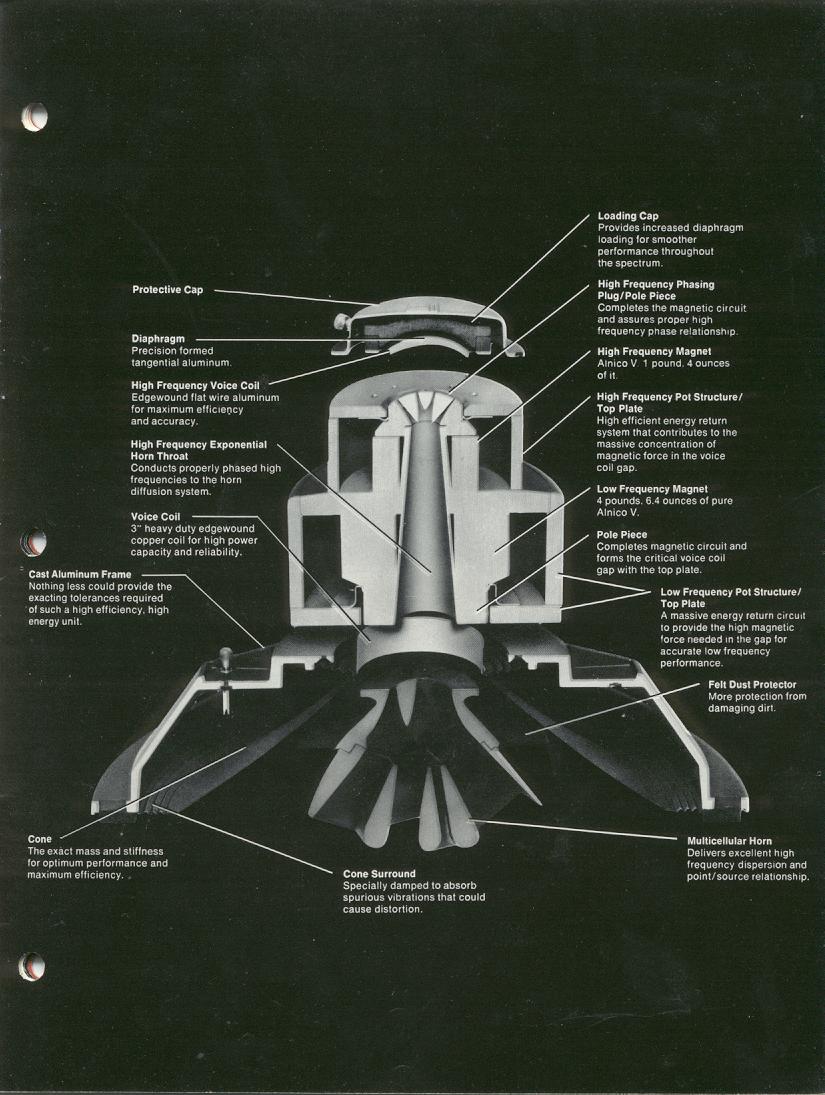
After the war, cinema components became the live-sound toolkit. Altec Lansing’s Voice of the Theatre family, including the A7, A4 and A2, packaged the 288 compression driver and 515 woofer into standard enclosures. Halls, clubs and later rock tours could buy them off the shelf. The coaxial Altec 604 put both drivers on one axis for smaller rooms.
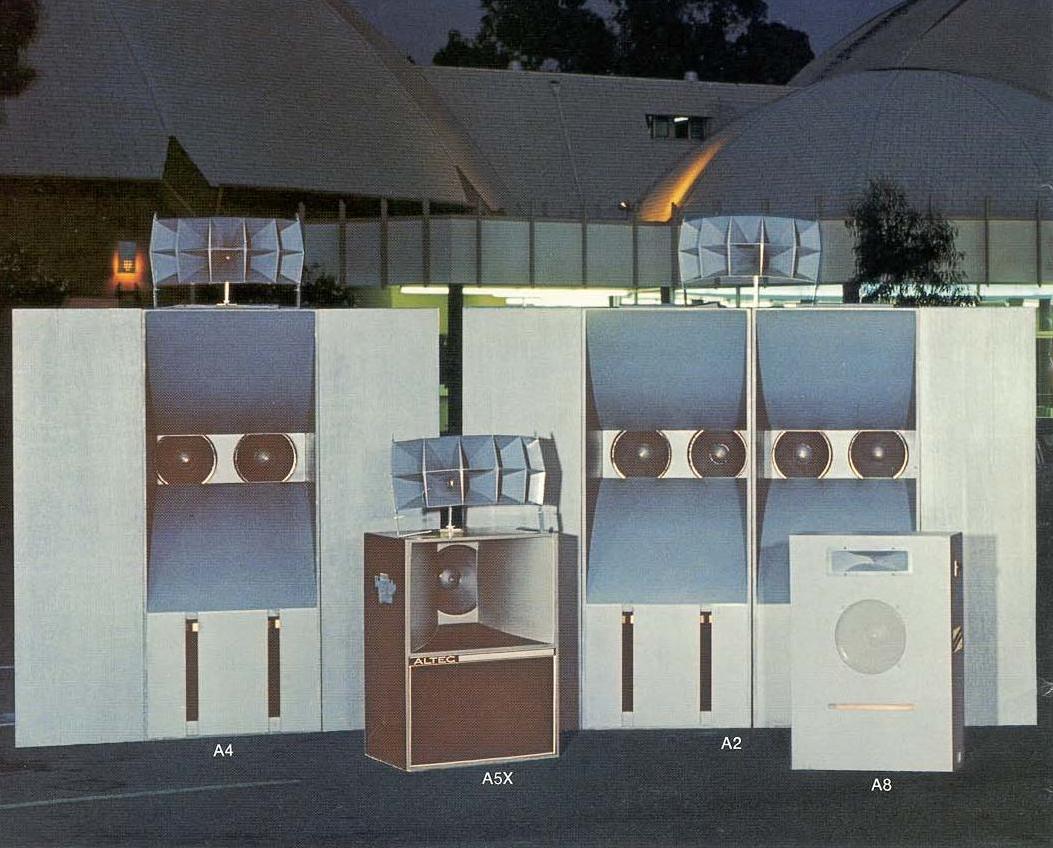 Altec Lansing A-series Voice of the Theatre© Altec Lansing Technology, courtesy Paul Barello
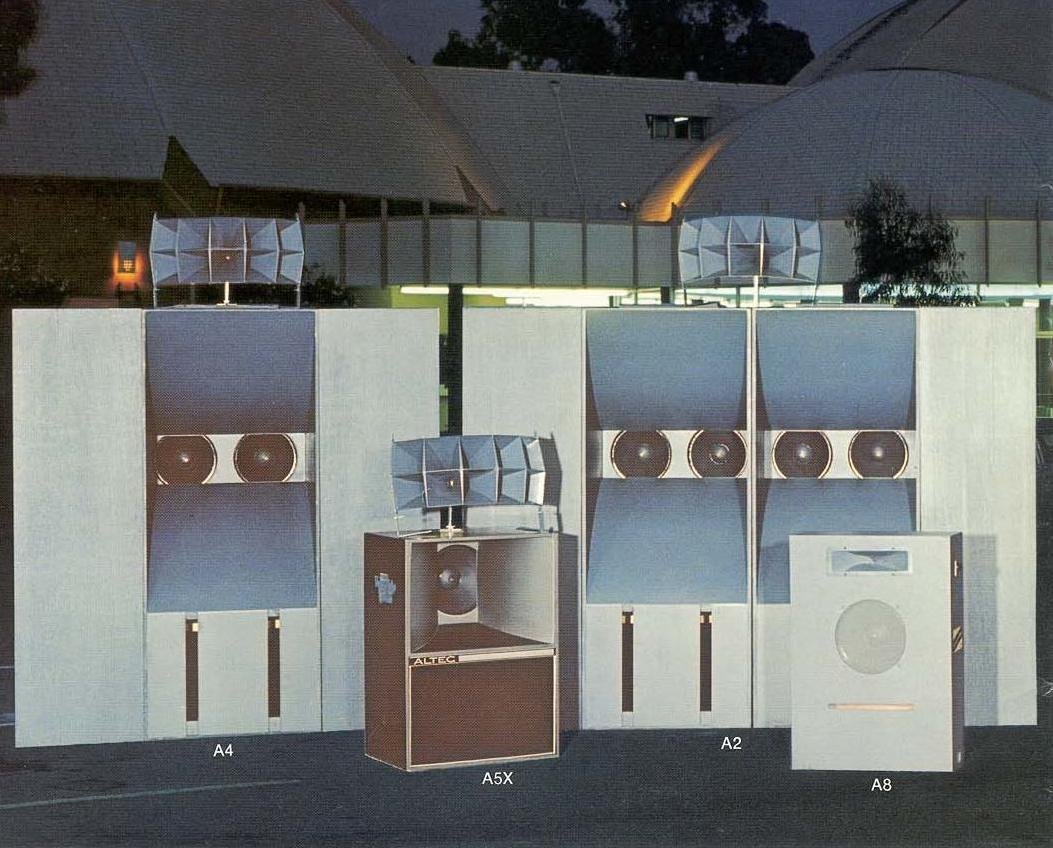 Altec Lansing Voice of the Theatre A2© Altec Lansing
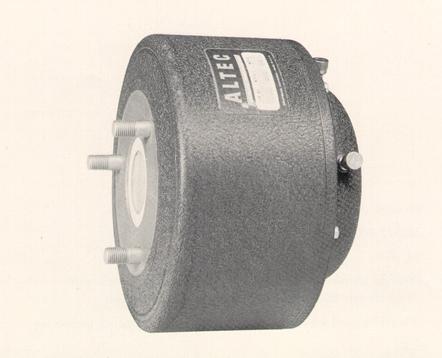 Altec Lansing 288 compression driver© Altec Lansing Corporation
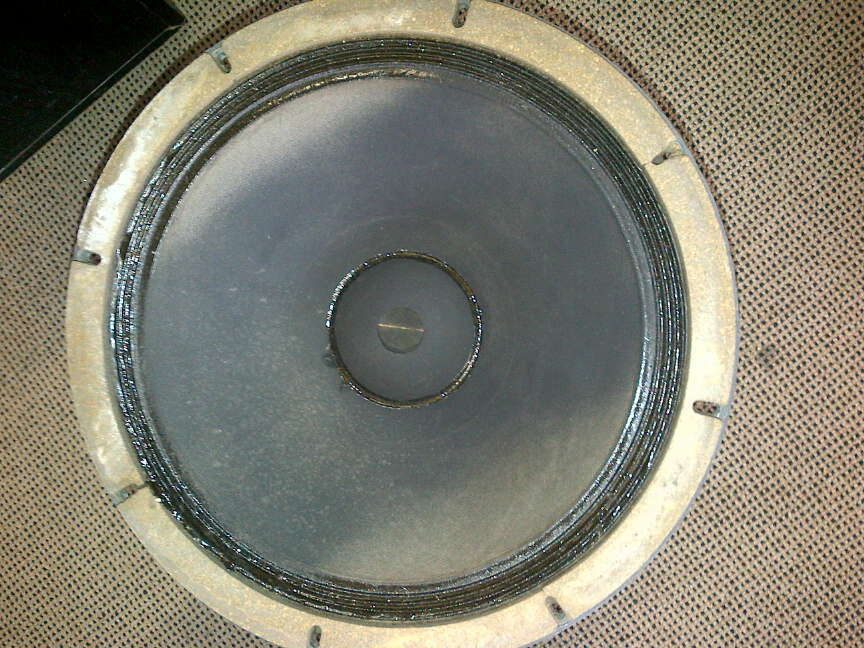 Altec Lansing 515 low-frequency driver© Jacques from Cape Town, South Africa
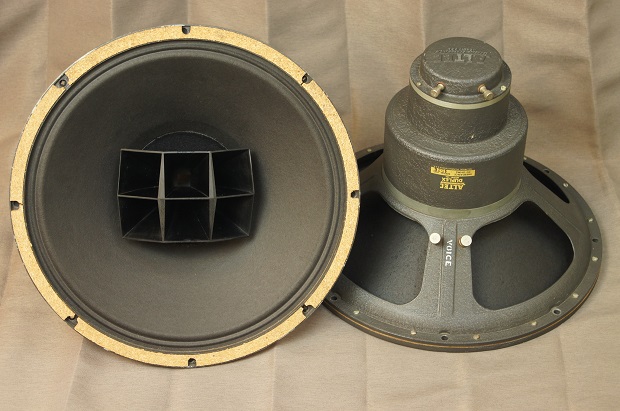 Altec Lansing 604 Duplex© Author unknown
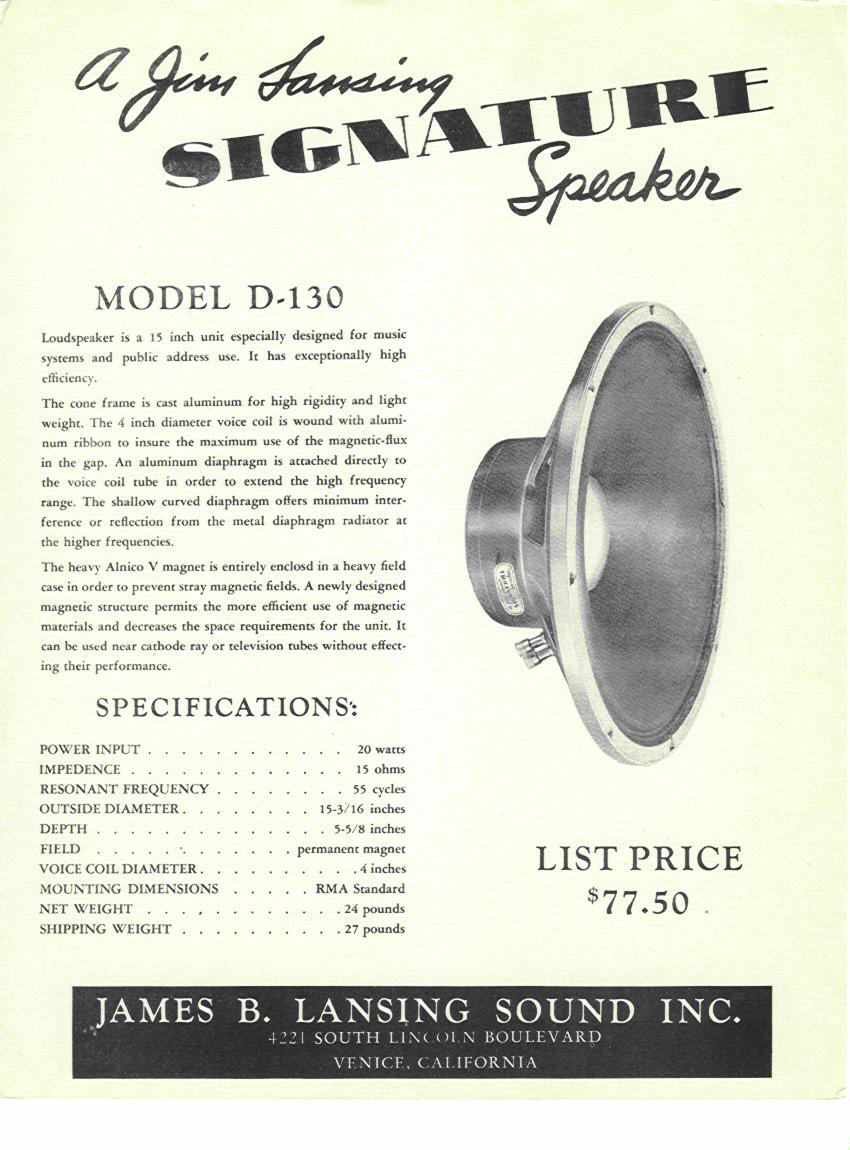
James B. Lansing’s new company, JBL, pursued the same goals with more efficient parts: the D130 woofer and the 375 high-frequency driver. Later rock engineers loaded exactly these parts into bass horns and flying clusters.
Microphones were redesigned to fight feedback. Shure’s 55S, the Unidyne III / 545 and the Unisphere 565 used cardioid patterns to reject sound from the PA. Electro-Voice’s 664, AKG’s D12 and Sennheiser’s MD 421 spread the idea across Europe and the US. Balanced lines carried these signals further with less noise, into compact mixers like the RCA BT-6A and levelling amplifiers such as the Gates Sta-Level.
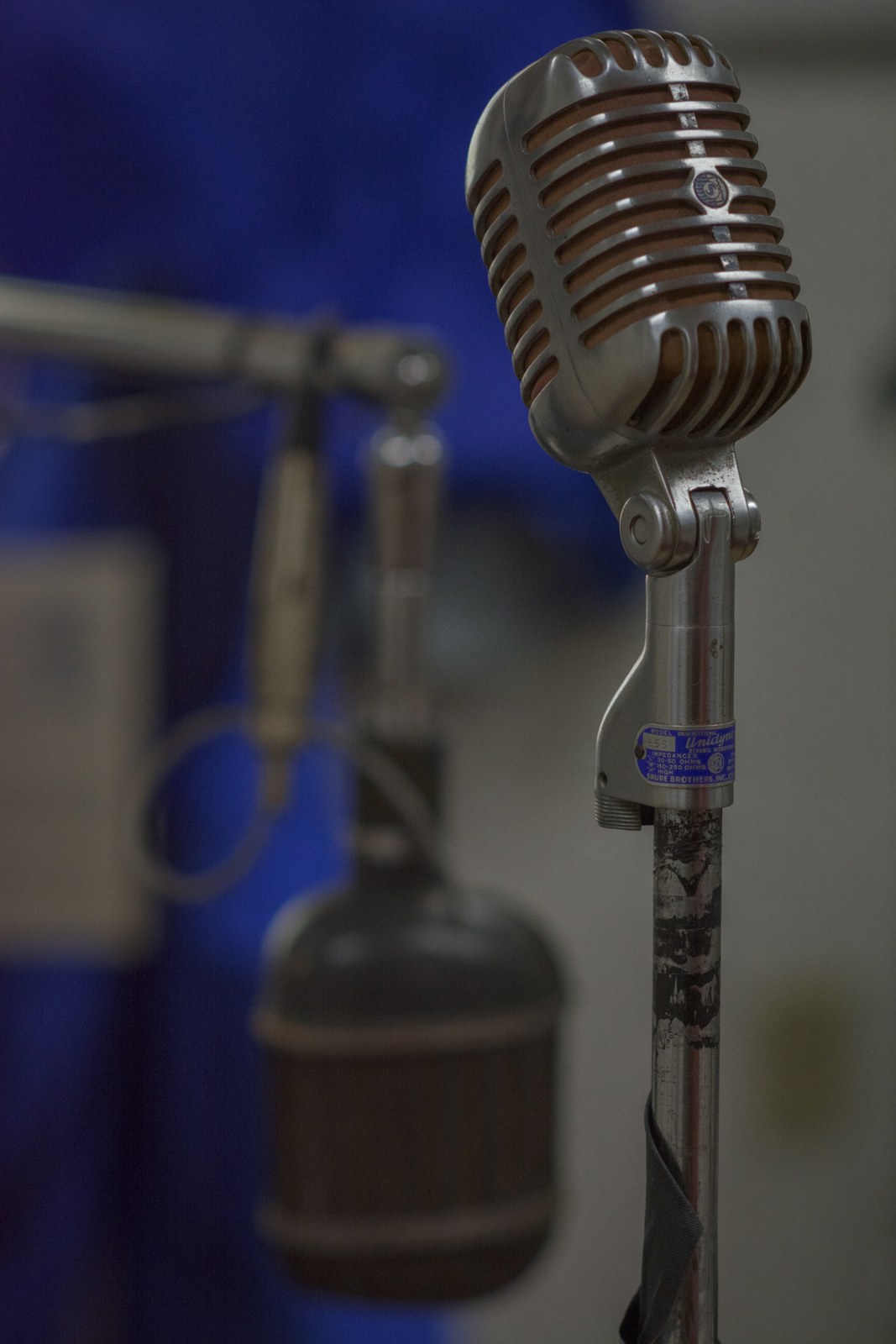 Shure 55S Unidyne© Ethan Long
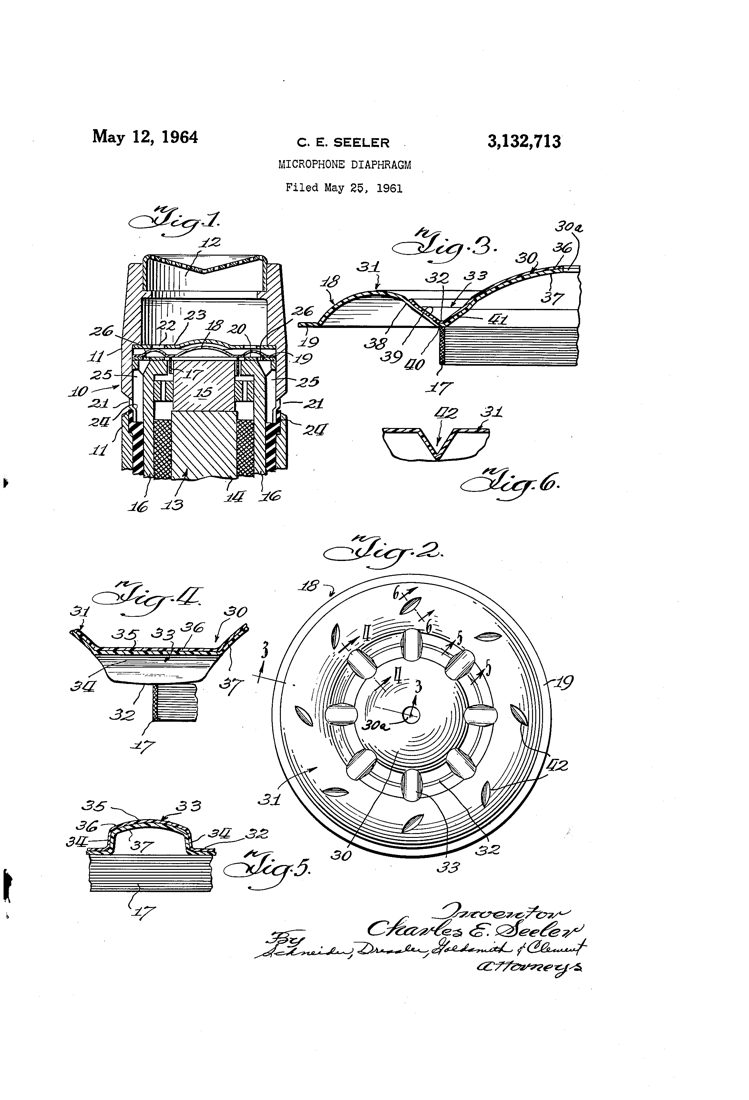 Shure Unidyne III / Model 545© Charles E. Seeler (Shure Brothers)
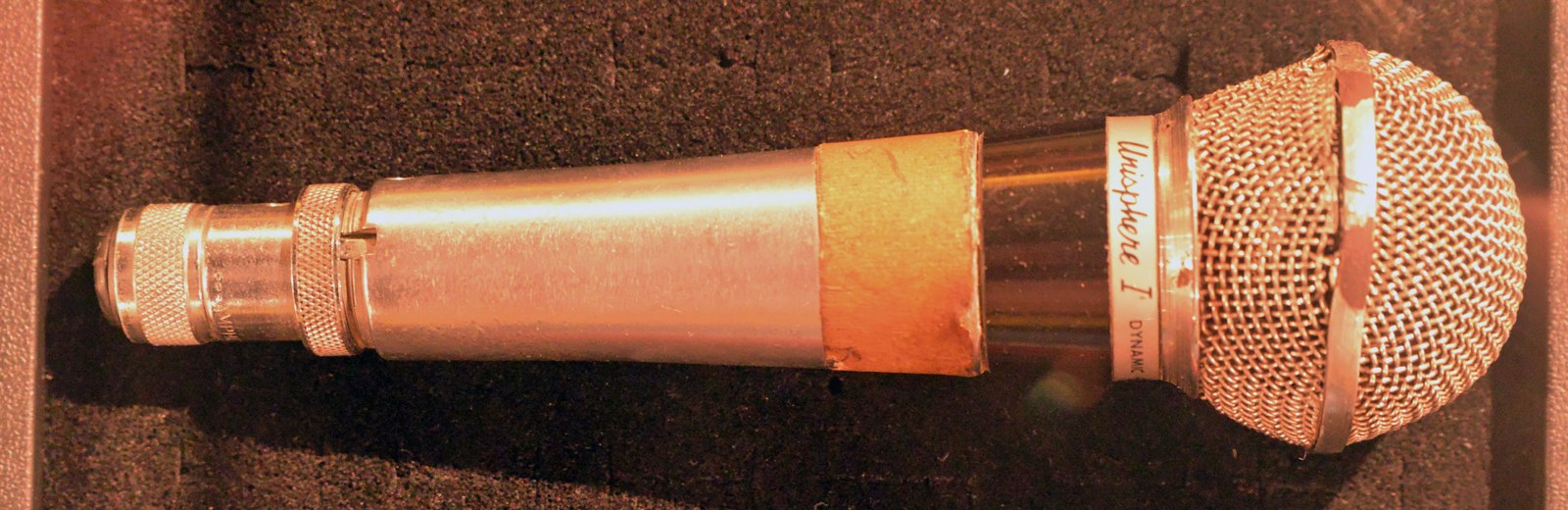 Shure 565 Unisphere© Jud McCranie
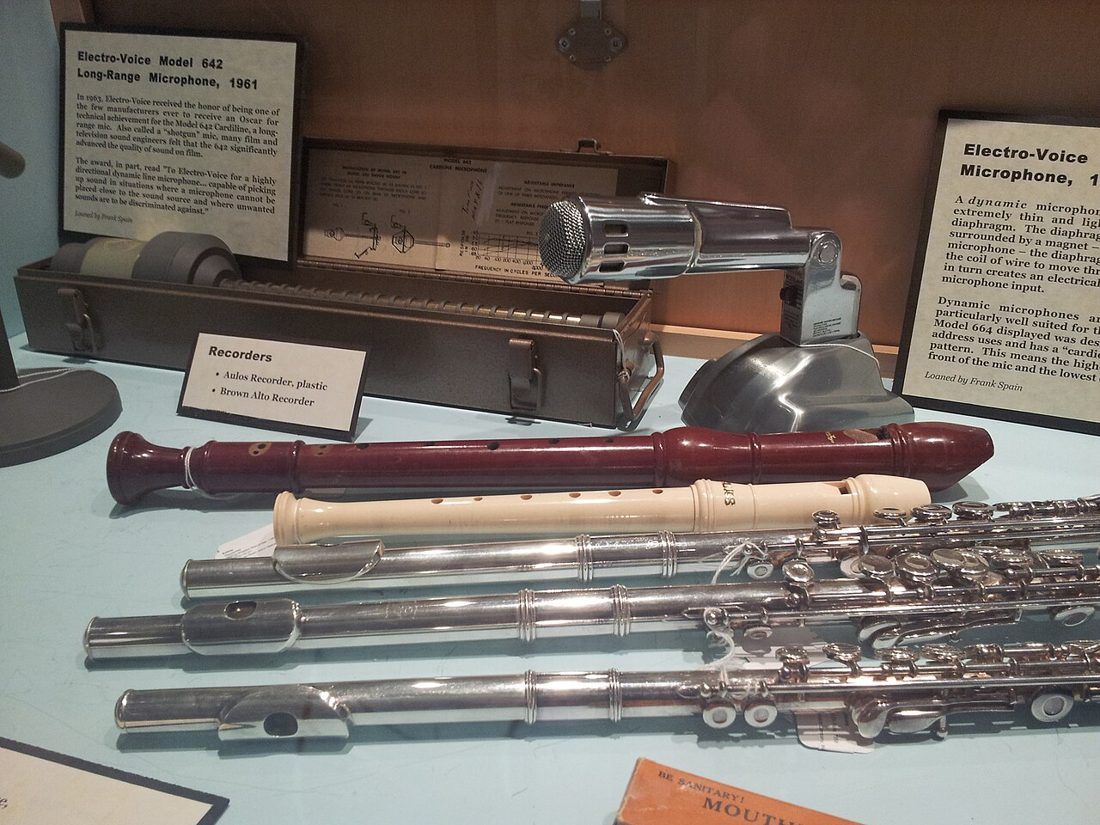 Electro-Voice 664 dynamic microphone© doryfour
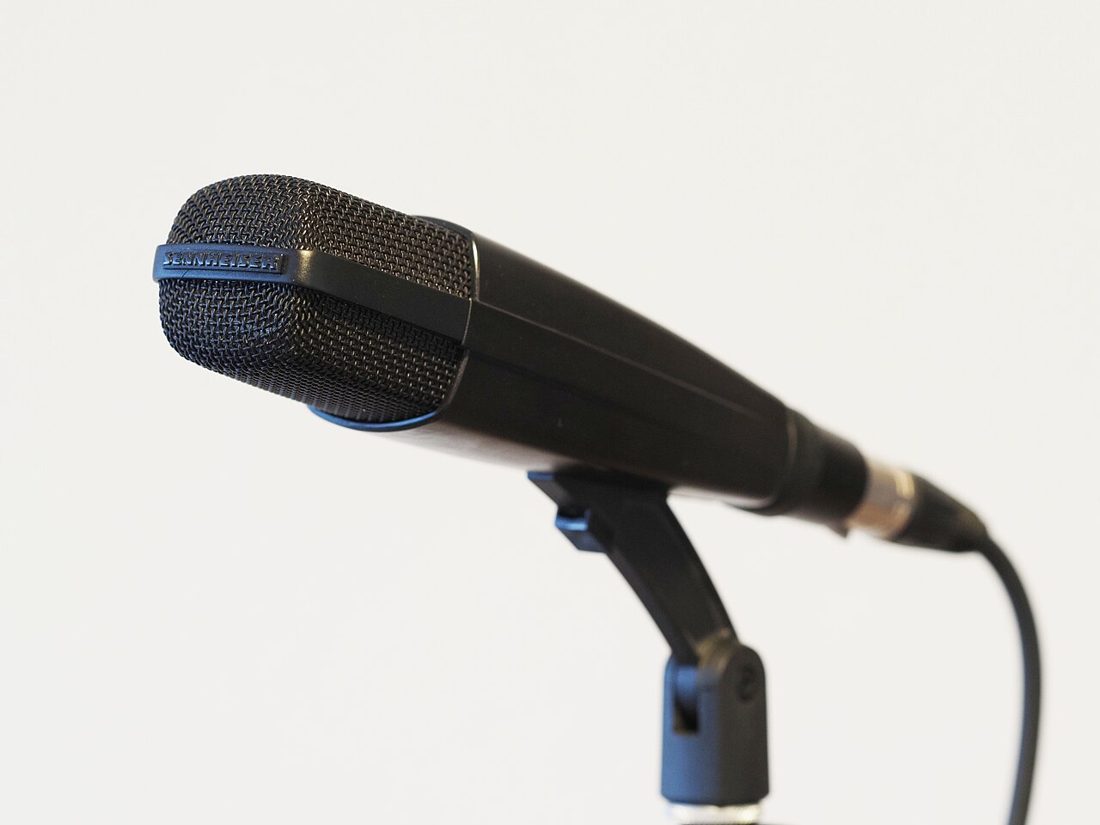 Sennheiser MD 421 microphone© Kreuzschnabel
 Gates Sta-Level compressor© eyeliam
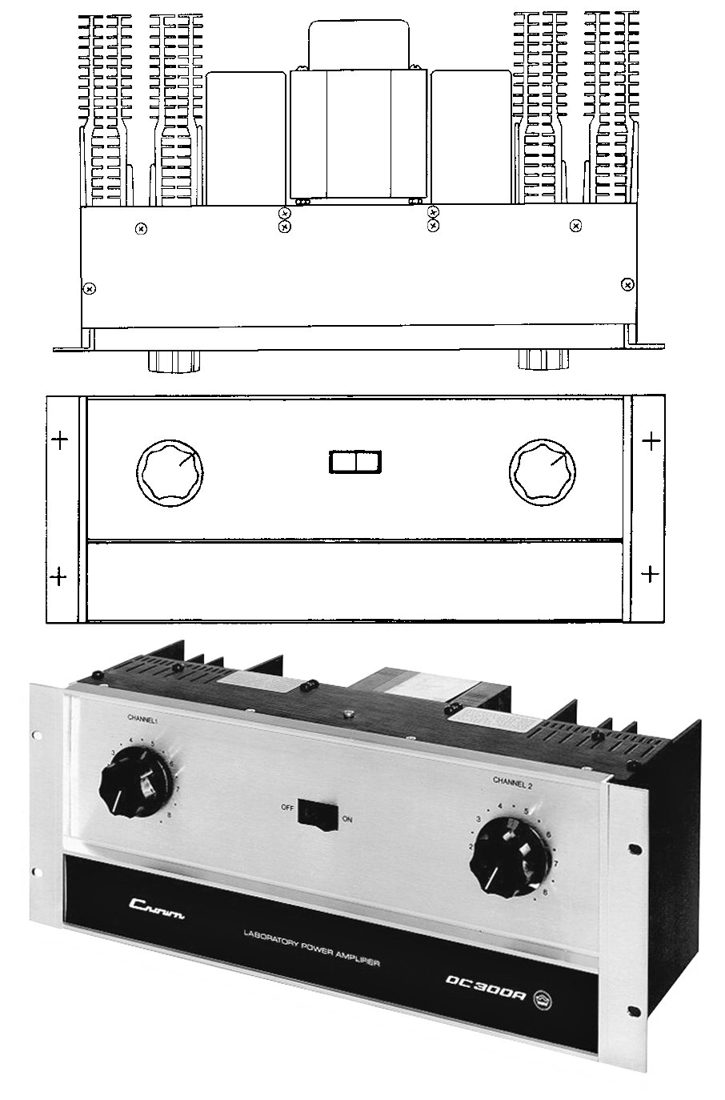
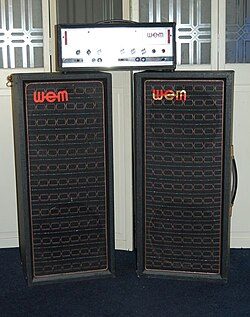
Power rose with the audience. Valve amplifiers like the McIntosh MC30 and MC60 gave way at the end of the 1960s to the solid-state Crown DC-300, and British groups used dedicated vocal systems such as WEM’s PA. The gear was still too small for stadium rock, but the parts and the craft of the next era were in place.
Plates
Documents from the era
Chronology
Milestones
Voice of the Theatre
Altec introduces efficient theater systems that become influential well beyond cinemas.
JBL is founded
James B. Lansing establishes the company that will develop enduring professional transducers and enclosures.
A new handheld standard
The Shure Unidyne III architecture leads to the familiar directional stage microphone form.
Column speakers proliferate
Vertical driver columns improve speech coverage in reverberant halls and become common in portable vocal PAs.
Stadium scale exposes the gap
The Beatles at Shea Stadium reveal that house and field-announcement systems cannot compete with crowds and amplified bands.
Technical principle
Gain before feedback
A system feeds back when sound from the loudspeaker re-enters a microphone, is amplified again, and completes a loop whose gain reaches unity at a resonant frequency. Directional microphones, distance, careful speaker placement, and equalization all increase usable level.
Simplified signal chain
Working vocabulary