Theatre · Broadway & West End
Sound equipment for the musical stage
In 1973 nothing was built for the theatre. Consoles, radio microphones and loudspeakers all arrived as borrowed concert gear, and were remade piece by piece for Broadway and the West End as the musical stage began asking for things a concert rig was never built to do.
Nothing was made for the theatre
When Andrew Bruce co-founded Autograph in 1973, no manufacturer built anything for the theatre: not loudspeakers, not mixers, not radio microphones or miniature capsules, and only three radio-mic frequencies were legal in the UK. Every piece of equipment a designer needed had to be borrowed from broadcast, recording or concert work, then modified.
The company's first musical, A Chorus Line in 1976, ran on a console chosen by the designer Abe Jacob — a desk Autograph could afford only because the production guaranteed its income. That gap between what theatre needed and what anyone actually sold became the engine of thirty years of equipment development.
Source: “Theatre Sound: Towards Digital Mixing”, Andrew Bruce, Fast and Wide. Summarised in our own words.
Consoles built for one show
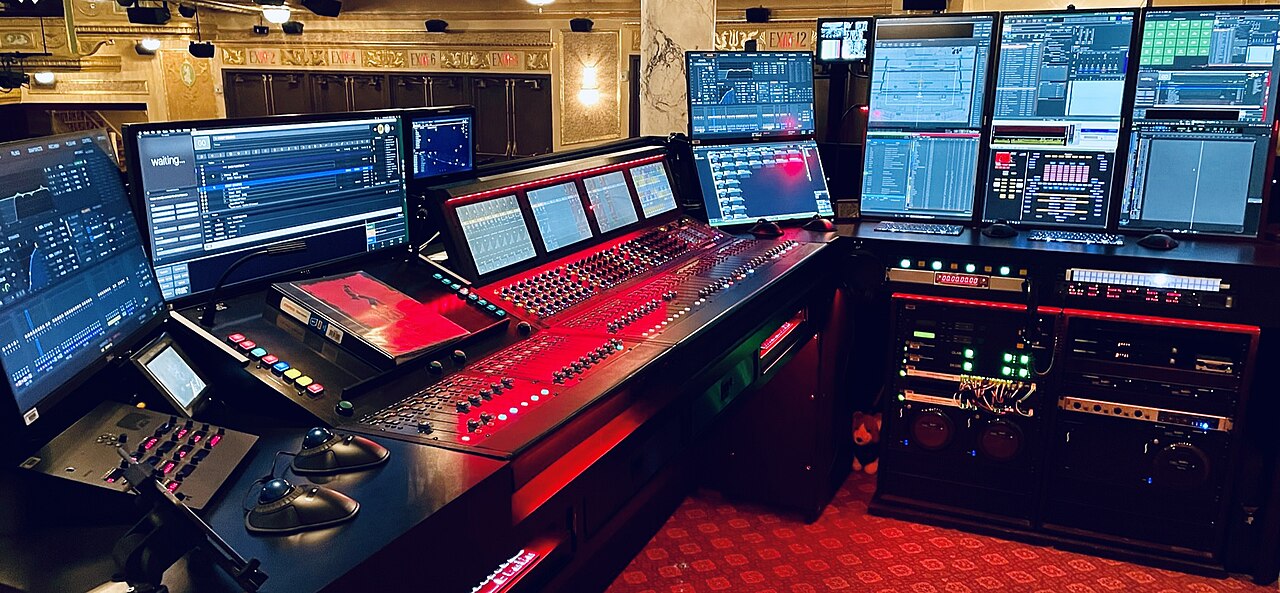
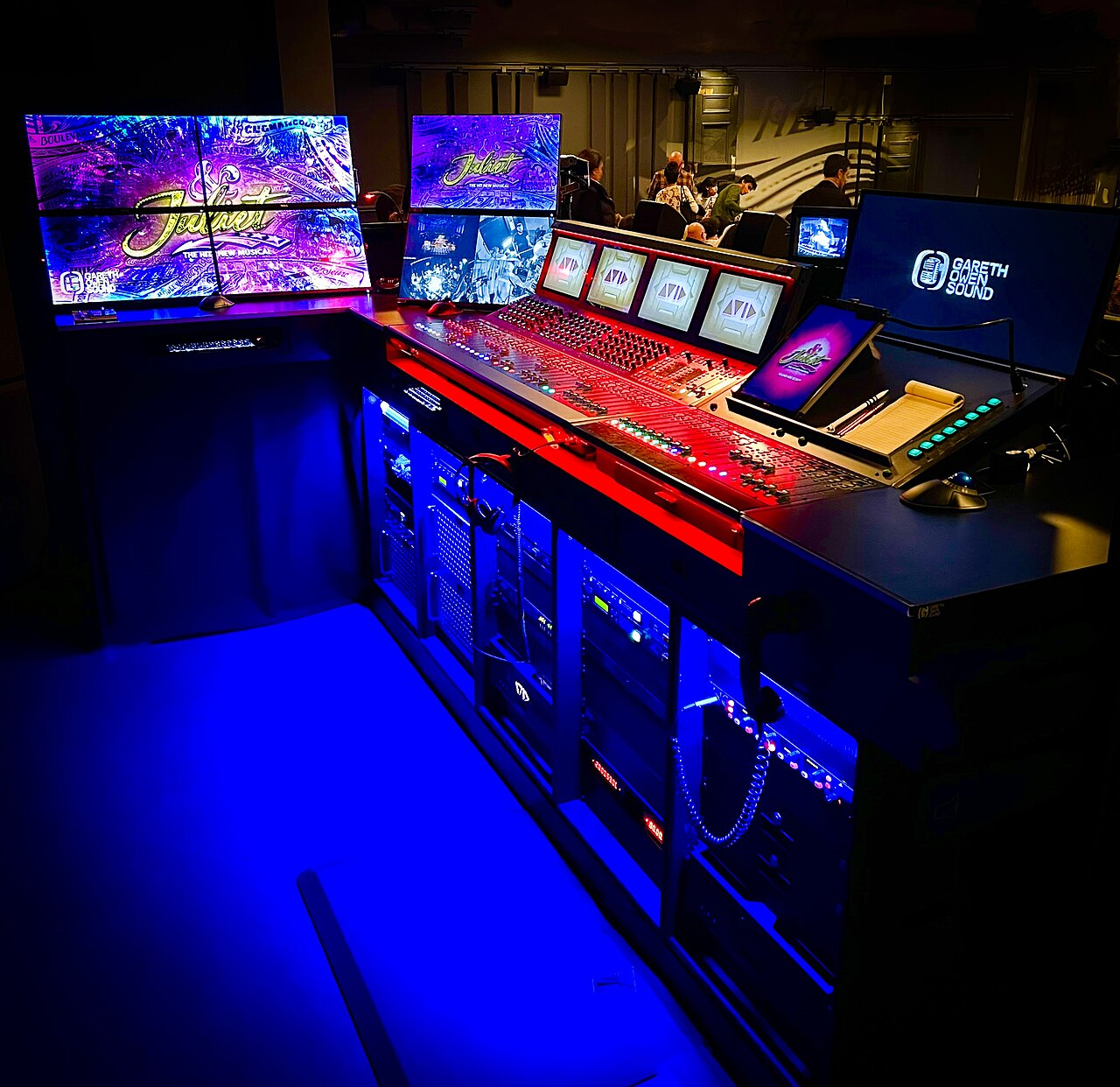
Cats in 1981 used a Midas TR console, originally designed for the National Theatre, which had an output matrix. For Little Shop of Horrors, where no more than four seats could be lost, Cadac's Clive Green designed and built a compact console in four weeks.
Starlight Express in 1983 got a one-off console, with a vocal section and a separate orchestral section, plus a basic computer that remembered which channels belonged to the central VCA section in each cue. The show ran 21 years and the computer, a bare card with wires, failed once.
Autograph and Cadac then built standard hire consoles: the manual A-Type, the E-Type with VCAs and programmable control groups, and the automated J-Type. The A-Type on Les Misérables at the Palace ran eight shows a week for about 15 years before a J-Type replaced it.
Source: “Theatre Sound: Towards Digital Mixing”, Andrew Bruce, Fast and Wide. Summarised in our own words.
Radio microphones move to the hairline
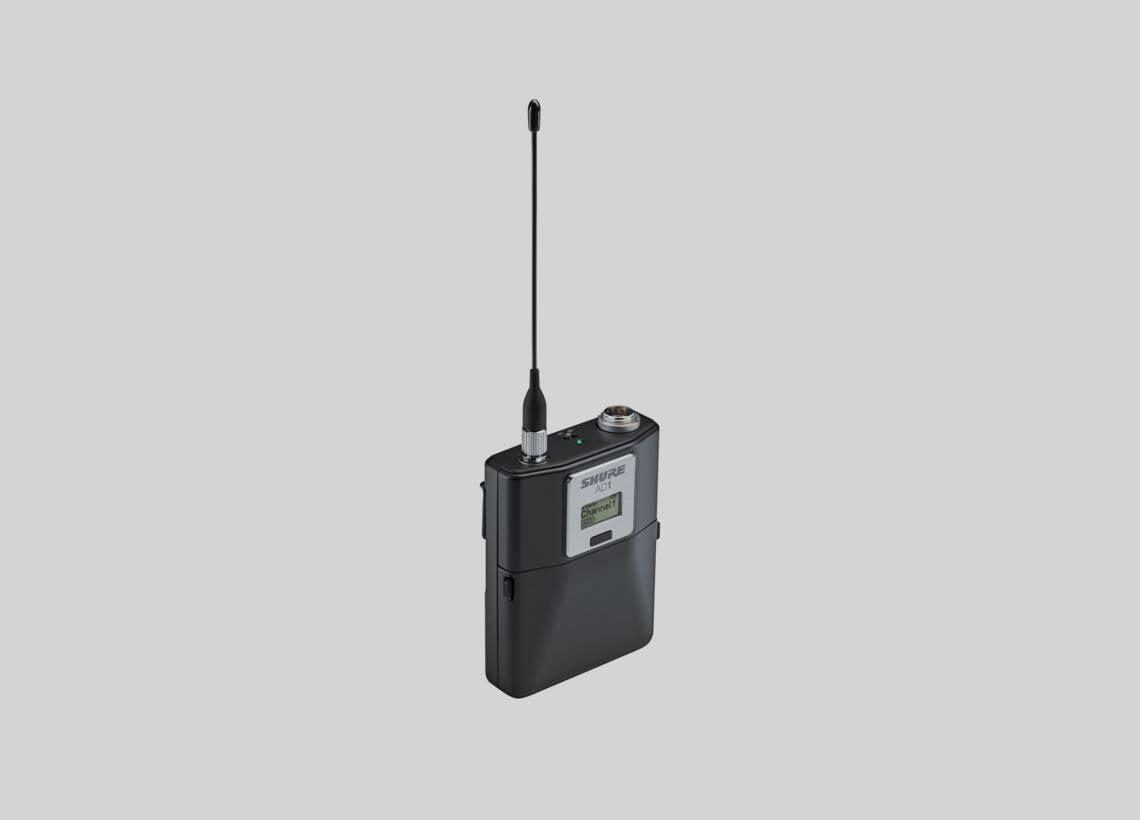
Theatre adopted the wireless microphone early, but it was microphone placement that made the format work on stage: tiny omnidirectional capsules worn on the forehead or in the hairline rather than on the chest, so a singer does not go off-mic when turning their head. Bruce calls it a compromise — placement depends on the performer's face and hair, and capsules move during a performance.
The hardware dictated how the equipment around it had to work. With perhaps 35 to 50 performers on a small stage, all wearing omni mics close to the PA and to foldback, every unused microphone must be kept closed, even between lines — the discipline of line-by-line mixing exists because of the capsules, not the other way round.
Two singers close together cause comb filtering when their mics are summed. The basic remedy is to dip one mic, usually the stronger singer's, and bring it back as they move; Bruce notes this depends on the operator watching the stage and cannot be automated. Demands like these shaped what theatre consoles needed: fast mute groups, VCAs and, eventually, per-actor processing recall.
Source: “Staging a Musical: The Sound Perspective”, Andrew Bruce, Fast and Wide. Summarised in our own words.
The orchestra pit: sixty channels in six feet
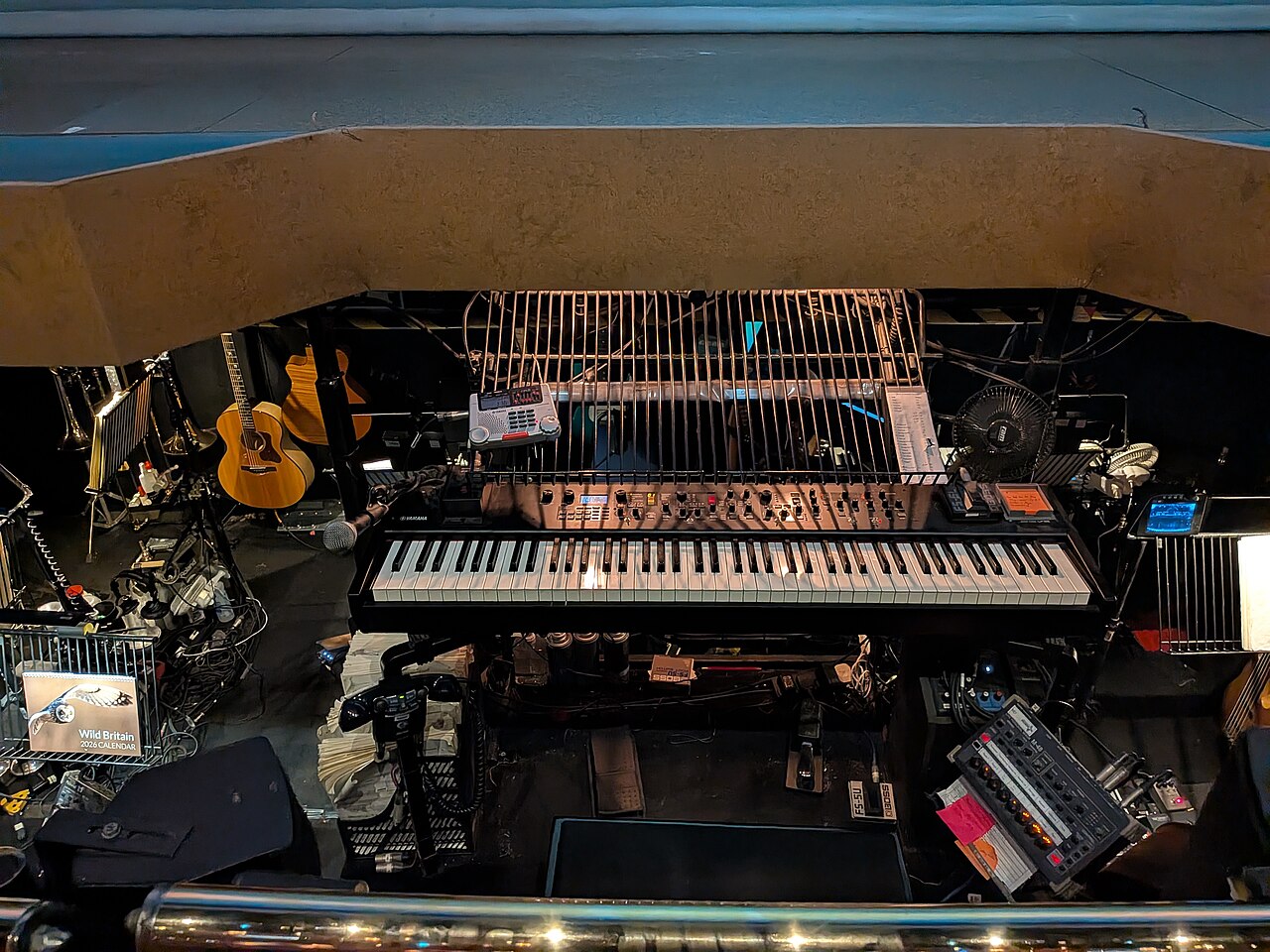
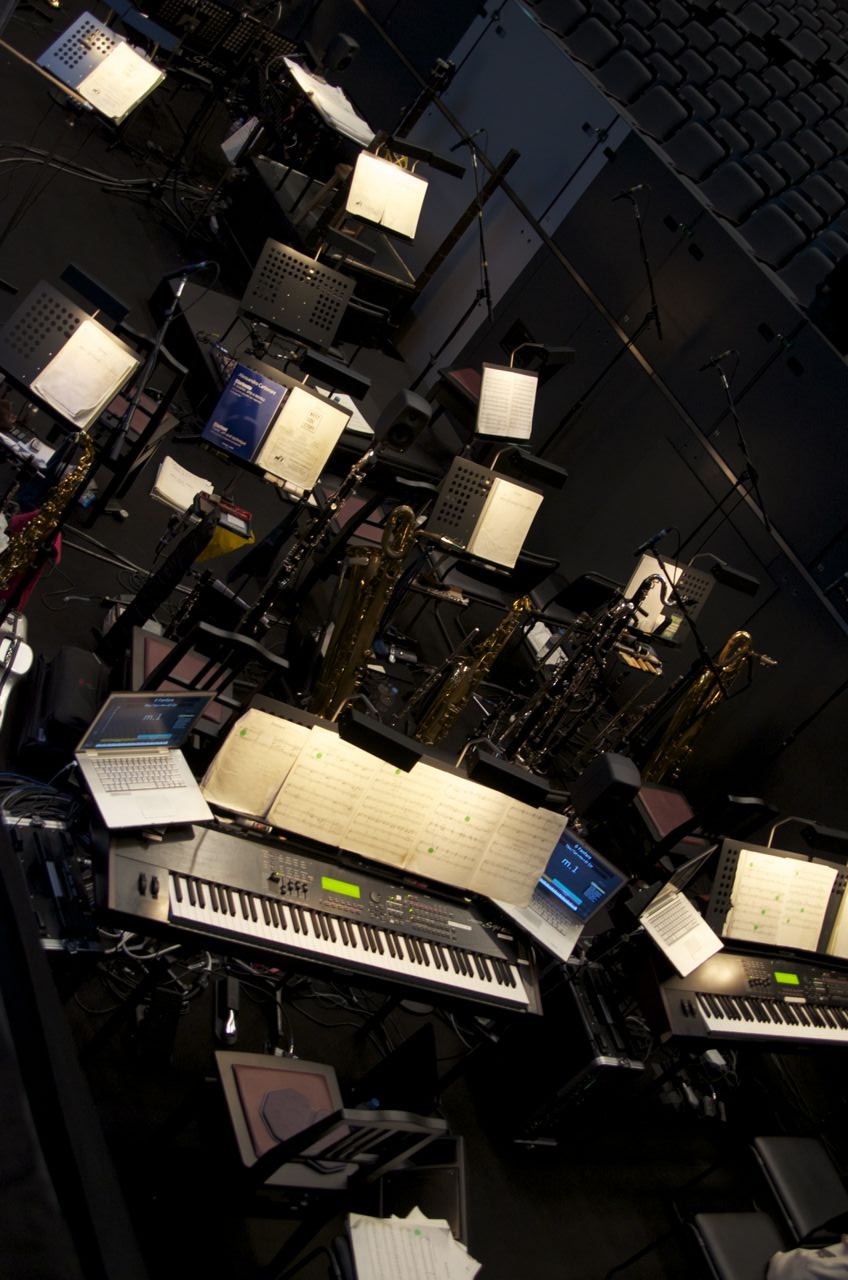
Historic theatres have cramped pits, so microphones sit very close to instruments, sections cannot hear each other naturally, and foldback is needed everywhere, adding to spill. Sixty or more orchestra channels may need EQ and monitor mixes at once — a channel count and a monitoring load that few concert desks of the day were built to carry.
The house mix is ultimately anchored to the level of a lightly reinforced live voice, so the orchestra balance is set around the singers rather than the other way round. Pits like these, more than rock stages, set the specification theatre consoles had to meet: huge input counts, dedicated monitor sends and generous output matrices.
Source: “Staging a Musical: The Sound Perspective”, Andrew Bruce, Fast and Wide. Summarised in our own words.
Loudspeakers small enough for a proscenium
In the late 1970s theatre systems were built from three kinds of loudspeaker: single passive boxes, stacked separates such as the Altec A7 (a bass cabinet topped by a multicellular horn, found in almost every old theatre and cinema), and Bozak columns, whose narrow vertical coverage let them sit low and skim sound across the stalls and balconies.
Broadway designer Abe Jacob, often called the godfather of theatre sound, wanted speakers small enough to hide and clean enough for speech. Meyer Sound's UM-1 stage monitor had the intelligibility but very tight coverage, so Jacob pushed for a wider-coverage sibling: the UPA, released in 1980. Each Meyer box came with matched electronics and presets, so it sounded the same from show to show and continent to continent, unlike older systems that had to be re-tuned and often partly failed.
Jacob used UM-1s for voices and UPAs for the orchestra, and took the UPA-1 to the West End in 1981 on Cats. Bruce says it suited Victorian theatres whose small proscenium arches left no room for traditional loudspeakers.
Through the 1980s Meyer, EAW and Apogee supplied most theatre point-source speakers. Around 2000 mid-size line arrays took over for musicals; L-Acoustics V-DOSC was used on Broadway's Mamma Mia! in 2001. Meyer, d&b audiotechnik and L-Acoustics became the main column and line-array suppliers, and systems such as Meyer's Constellation, used on Wicked, began electronically reshaping a room's acoustics.
Source: “Theatrical Address: Loudspeakers for Theatre”, Fast and Wide, with Gary Stocker, Bob McCarthy, Andrew Bruce and Chris Headlam, Fast and Wide. Summarised in our own words.
The false start of digital
Producers, Cameron Mackintosh above all, complained about the seats lost to large analogue desks. Early digital consoles were rejected for missing features and their sound. After two years of design work with Bruce, Soundcraft's Broadway console was installed on Martin Guerre in 1996 beside a Cadac J-Type, but the networking of the day could not handle the data. It crashed so often that the show switched to the Cadac almost at once, and Harman later cancelled the project.
A Cadac digital project followed. Then at the 2002 Plasa show in London, Bruce, sent by designer Bobby Aitken, saw DiGiCo's new D5 Live and asked managing director James Gordon whether they had considered theatre.
Source: “Theatre Sound: Towards Digital Mixing”, Andrew Bruce, Fast and Wide. Summarised in our own words.
DiGiCo builds the theatre console
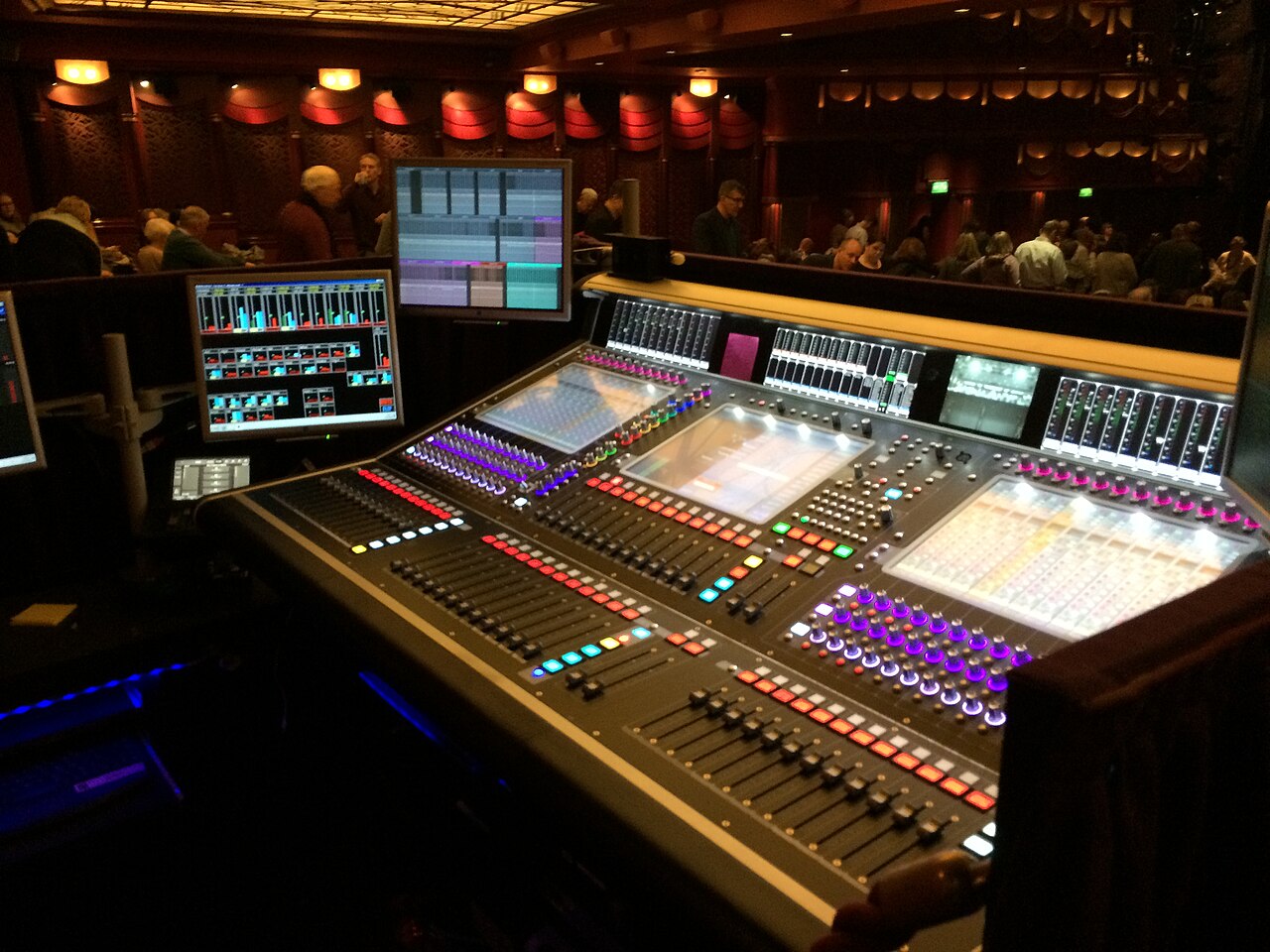
DiGiCo's engineers were shocked by line-by-line mixing when Bruce took them to West End shows. A digital surface could gather the channels an operator needs under their hands and hide the rest, shrinking the desk and returning seats to the box office.
The theatre software (D5T) added the features the previous decades of custom desks had been built by hand to provide: Aliases for hats, and, at Bruce's request, 'players' — stored settings for every actor in a role, including understudies and replacements years later, recallable mid-show so a substitute sounds as good as last time. Bruce says no other maker offered either.
Its debut came when Les Misérables moved from the Palace, where it had run on a Cadac A-Type for 19 years, to the smaller Queen's Theatre. On the first preview day DiGiCo shipped two software fixes, and the preview ran without problems.
On the D5 the theatre features were bolted onto existing software. The SD7 built them in, allowing a networked workstation to edit the show during a performance, including spreadsheet-style assignment of performers and hat aliases to cues, an idea carried over from Cadac's SAM automation. Bruce's team also pushed for the cue list to stay visible while the script trolley sits in front of the operator.
Source: “Andrew Bruce: The Musical”, Fast and Wide, interviewing Andrew Bruce, Fast and Wide. Summarised in our own words.
Sources on Fast and Wide
- Staging a Musical: The Sound Perspective (Andrew Bruce)
- Theatre Sound: Towards Digital Mixing (Andrew Bruce)
- Andrew Bruce: The Musical (Fast and Wide, interviewing Andrew Bruce)
- Theatrical Address: Loudspeakers for Theatre (Fast and Wide, with Gary Stocker, Bob McCarthy, Andrew Bruce and Chris Headlam)
See also the glossary for terms such as line-by-line mixing.