Equipment file · Cardioid dynamic microphone

664 dynamic microphone

Electro-Voice · 1954

Evidence status · documented

Identity and core specifications are documented; some historical fields remain unavailable.

The Electro-Voice 664 was the first EV microphone to use the Variable-D design, in which multiple rear sound entrances keep the cardioid pattern consistent with frequency and reduce proximity effect. Its die-cast zinc body earned it the nickname 'Buchanan Hammer'.

Introduced
1954
Category
Cardioid dynamic microphone
Intended use
Public address and stage vocals
Production
Electro-Voice, 1954 into the 1960s

Equipment photographs · 1
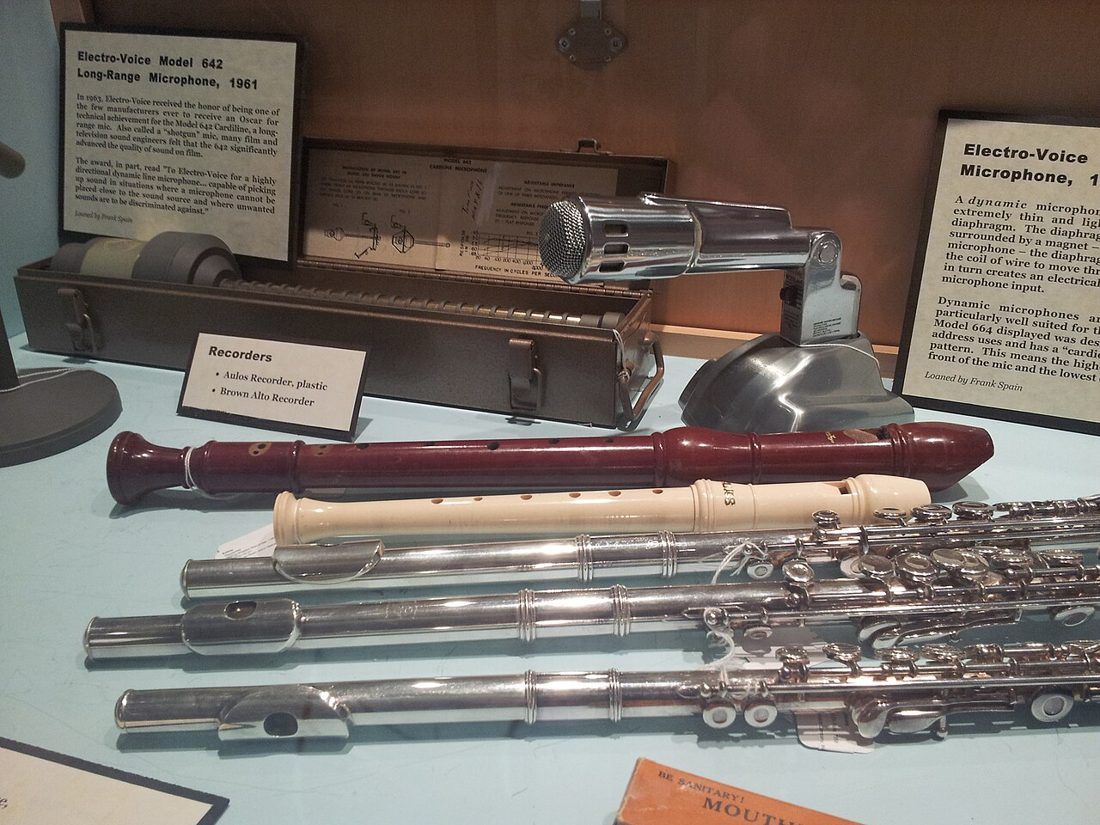
Electro-Voice Model 664 (with Model 642) at the Museum of Making Music

1 / 1 · Electro-Voice Model 664 (with Model 642) at the Museum of Making Music

Electro-Voice Model 664 (with Model 642) at the Museum of Making Music·doryfour·CC BY-SA 2.0

Why it mattered

  1. 01

    Variable-D became the basis of later EV sound-reinforcement microphones.

  2. 02

    Its ruggedness made it one of the defining PA vocal microphones of its era, rivalling the [[shure-55s|Shure 55]].

Engineering record

Polar pattern design
Rear entrances combine into one effective entrance whose distance from the diaphragm varies with frequency (Variable-D)[1]
Construction
Pressure-cast zinc case[2]

Original pricing

No reliable period price located

2026 equivalent

Not calculated without a reliable original price.

Public price evidence was not sufficient to publish a defensible original figure.

Use in the field

Used on stage by performers including Bob Dylan in the early 1960s[3]

Manuals & original documents

No authoritative manual or original document has been located for this profile.

Sources

  1. 1Our historyElectro-Voice · archive
  2. 2Microfiles: Electro-Voice 664, The Legendary 'Buchanan Hammer'ProSoundWeb · case study · 2023-05-08
  3. 3Electro-Voice EV664 'The Buchanan Hammer'Martin Mitchell's Microphones · archive · 2012-04-26

Contribute to the record

Know more about 664 dynamic microphone?

Corrections, firsthand information, original documents, and credited photograph sources are welcome.

Your email is private and will not appear in the archive. Contributions are not published automatically.

Help build the archive

A missing piece? A correction?

Contribute to Resonant

Support the archive

Resonant is built one verified record at a time: research hours, archival image rights, and the hosting that keeps every era, equipment file, and citation free to read. If this archive is useful to you, a donation of any size keeps the next entry moving.

How donations are used

Payments go directly to the archive’s editor through Venmo and Cash App. Resonant is an independent project rather than a registered charity, so donations are not tax-deductible and nothing is sold or subscribed to in return.