The shift
Rock demanded more level, more bandwidth, and more control than venue speech systems could provide. A new profession formed around solving those problems show by show.
The Beatles’ stadium tours exposed the gap: bands played through announcement systems while crowd noise buried them. Vocal amplifiers like the Vox SS100 and Marshall PA 100 could not cover an arena. Engineers began assembling dedicated rigs from cinema horns such as the Altec A7, JBL drivers, custom cabinets and industrial amplifiers.
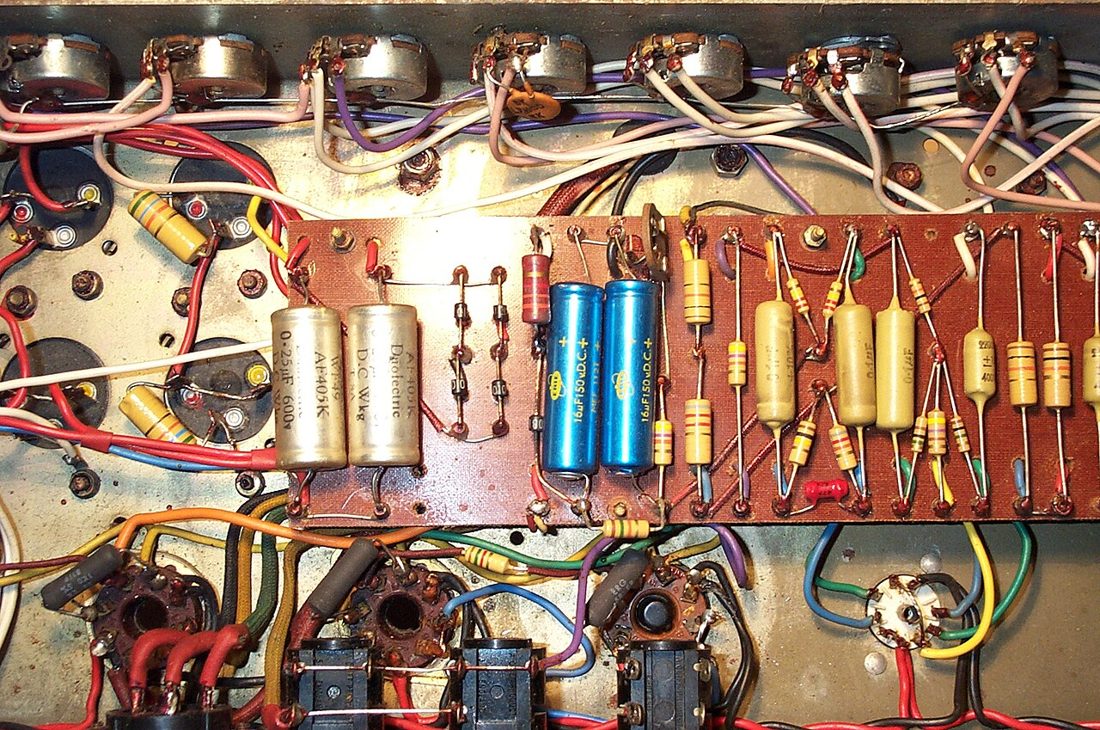
Amplifier power made those rigs possible. The Crown DC-300A, the McIntosh MC2300 and the Phase Linear 700 delivered hundreds of watts per channel. That made it practical to drive horn-loaded bass bins like the JBL 4550 and high-power cones such as the Gauss 4583, and to add the JBL 075 tweeter on top. At the microphone, the Shure SM58 and SM57 gave touring bands rugged cardioid capsules that resisted feedback from louder stages.
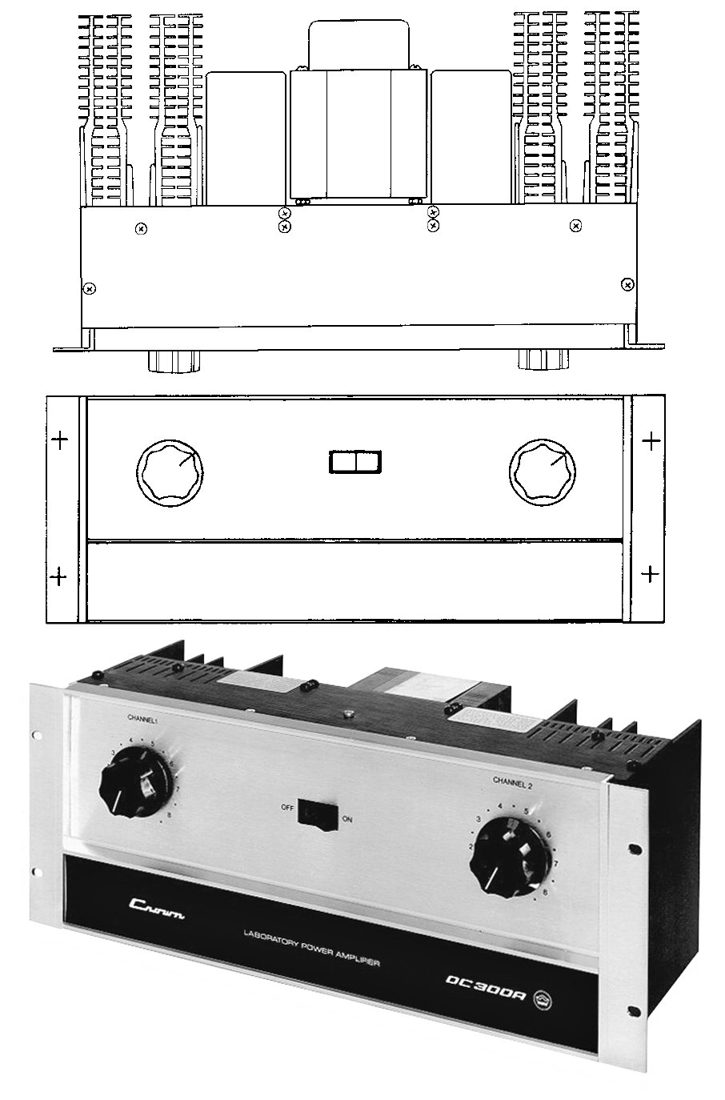 Crown DC-300A amplifier© Binksternet
 McIntosh MC2300 amplifier© Awgrasso
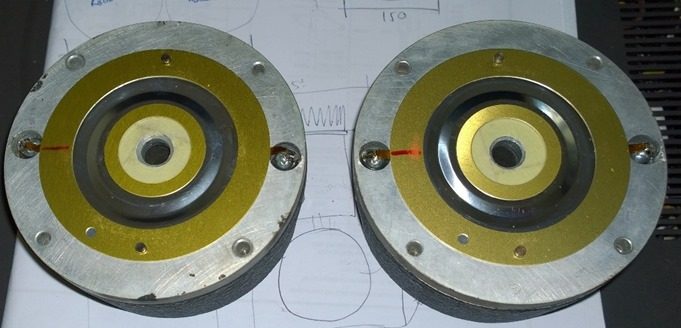 JBL 075 bullet tweeter© Jacques from Cape Town, South Africa
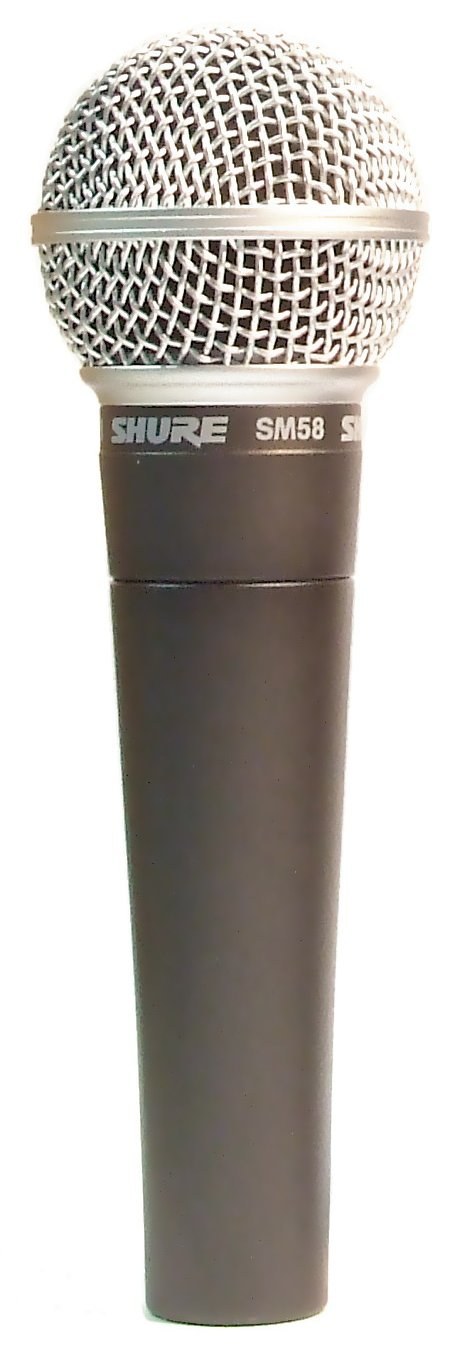 Shure SM58 microphone© Iain Fergusson; derivative by Binksternet
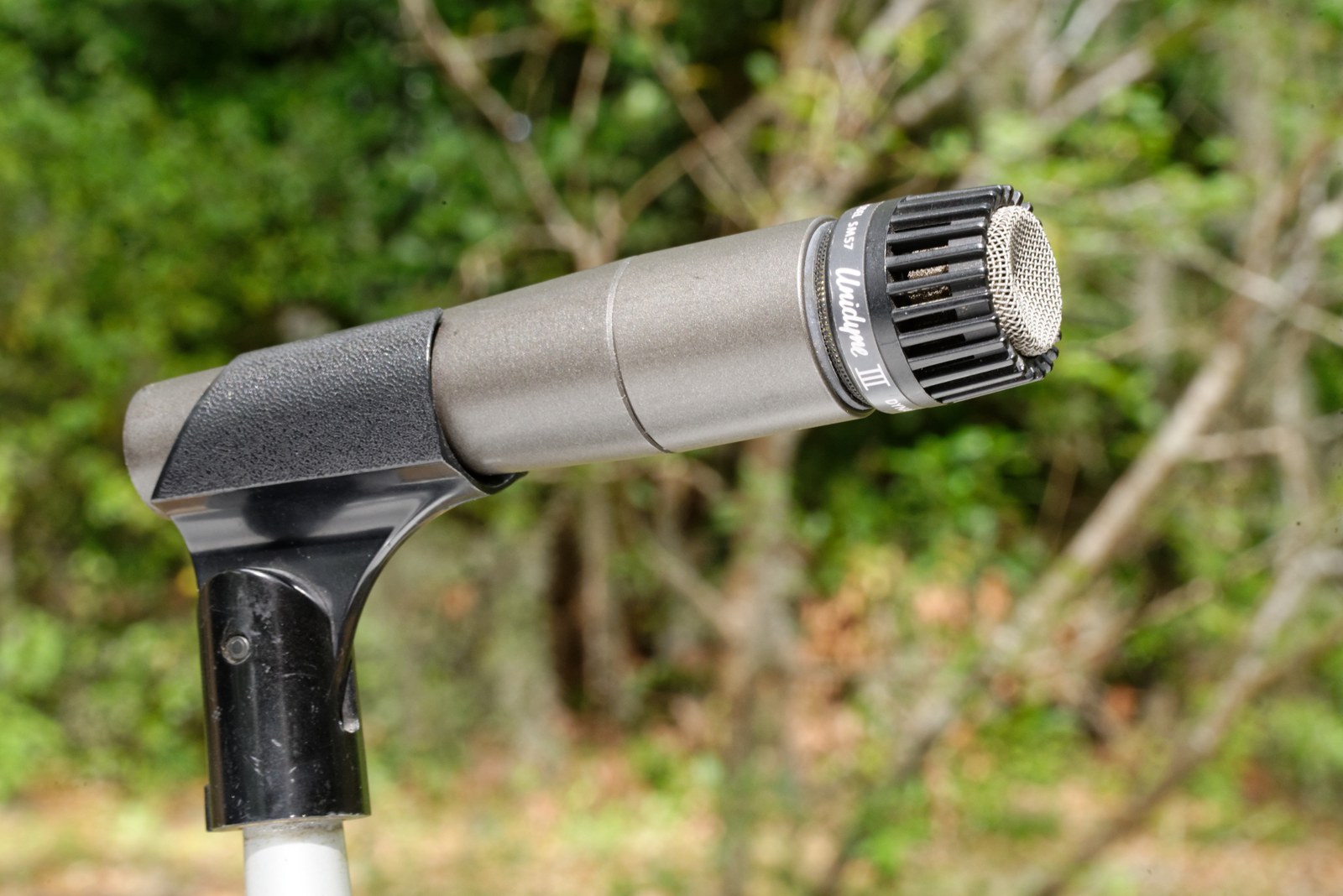 Shure SM57 microphone© Jud McCranie
The mixing desk grew alongside the speakers. Early rigs ran through small portable units such as the tube Altec 1567A and the all-in-one Shure Vocal Master, each with only a handful of inputs. As bands added microphones for drums, keyboards and horns, sound companies commissioned bespoke desks: the Kelsey/Morris consoles in Britain, Allen & Heath’s quadraphonic MOD1 for Pink Floyd and Clair Brothers’ own folding console. By the mid-1970s purpose-built touring desks such as the Soundcraft Series 1 and the modular Midas PR-series packed more channels into road cases, and they fed the larger amplifier and loudspeaker systems of the next era.
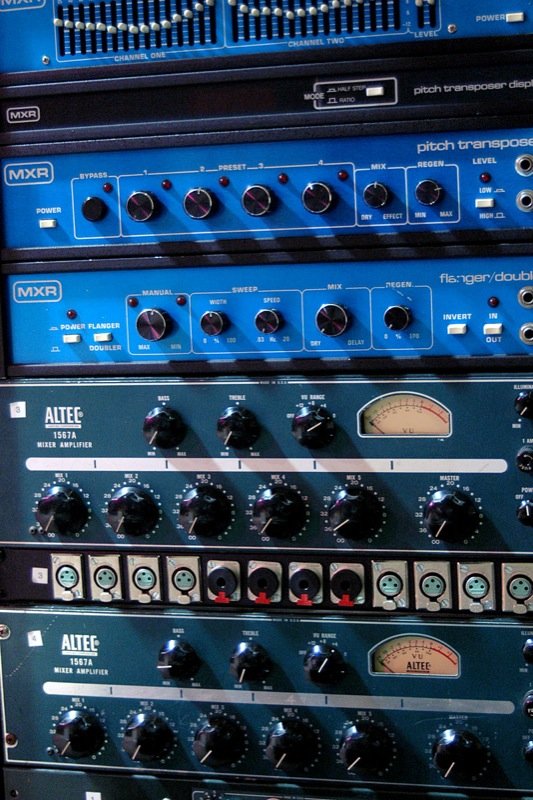 Altec Lansing Altec 1567A Mixer© Jake Mohan
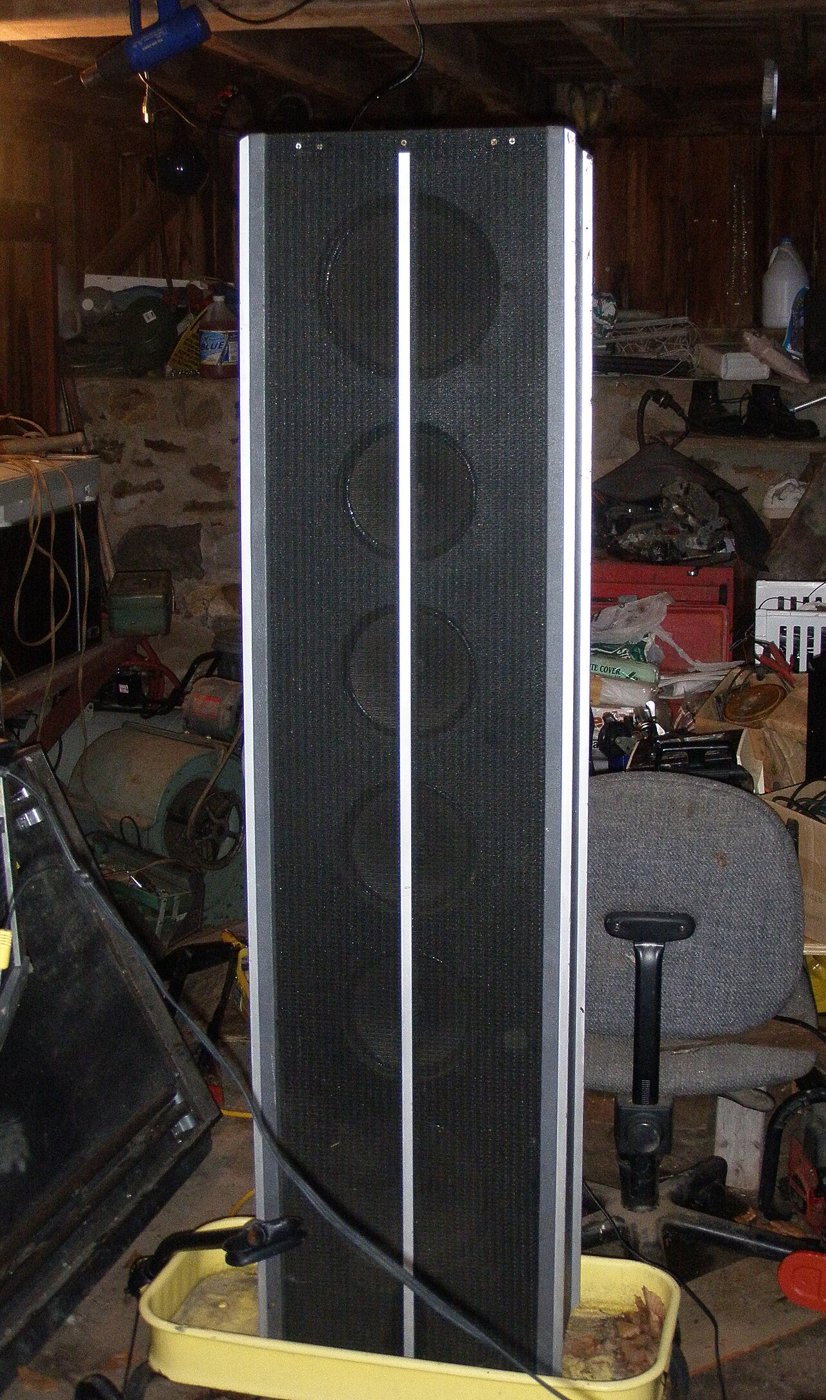 Shure Brothers Inc. Shure Vocal Master VA300/VA301© Daniel Christensen
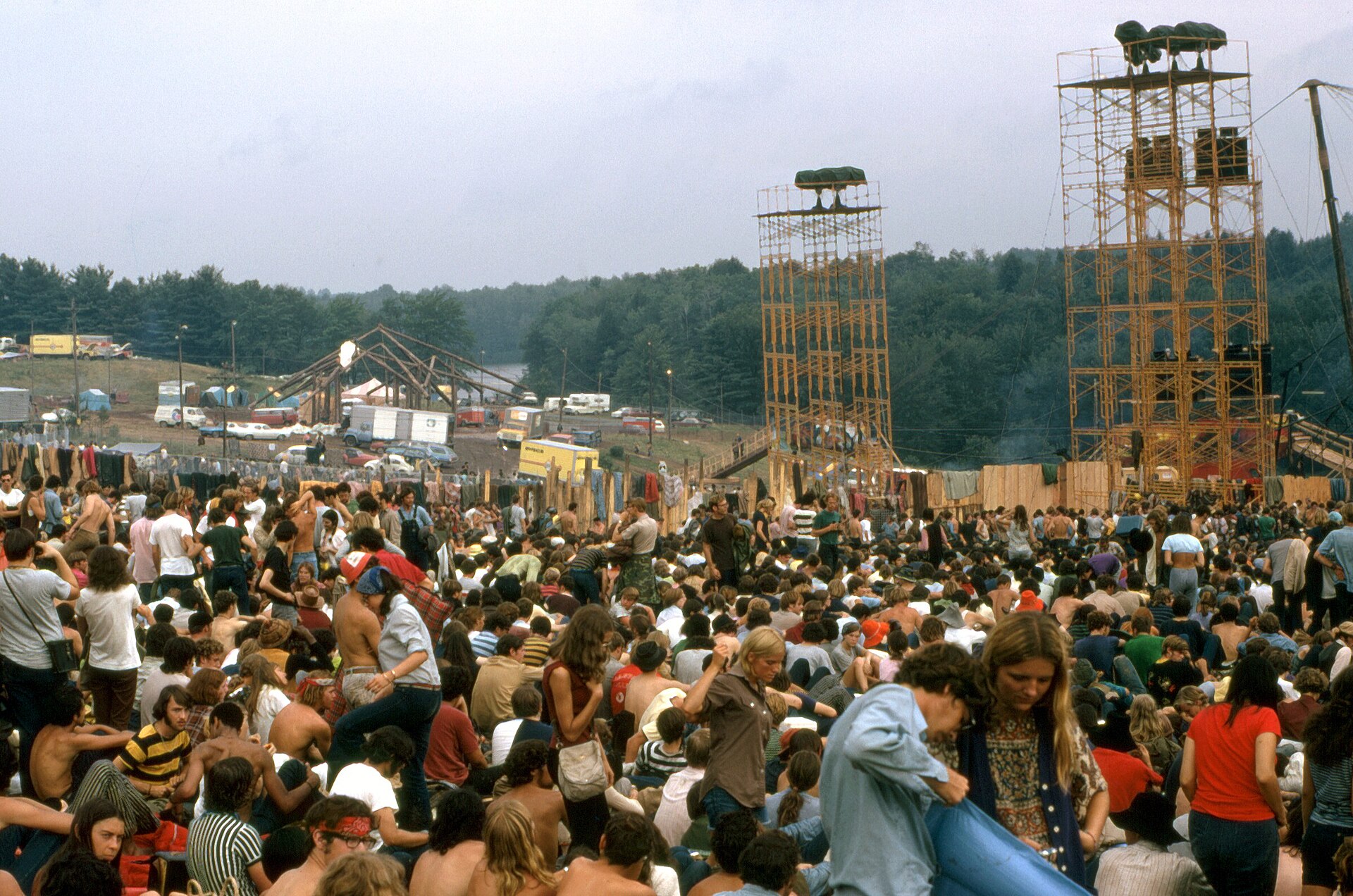
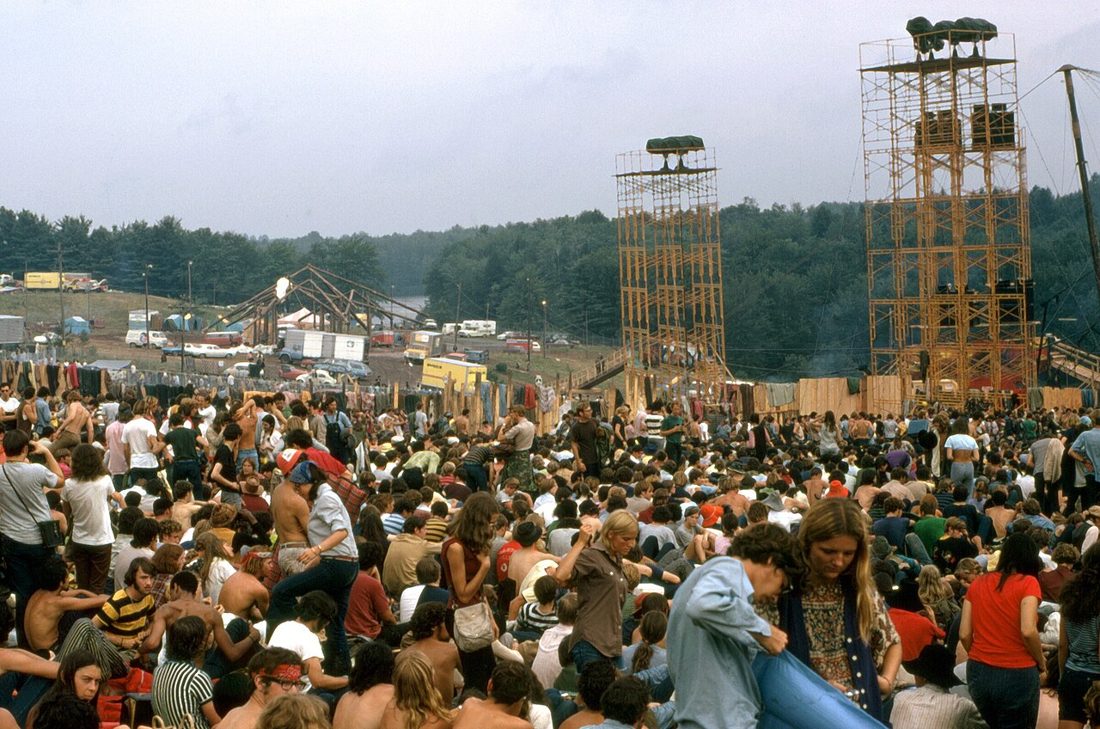
At Woodstock in 1969, Bill Hanley’s festival system used tall towers and delay infrastructure for a vast audience. The achievement was organisational as much as electrical. Clair Brothers turned the lessons into the integrated S4 touring cabinet. Showco’s touring system and Community’s fibreglass Leviathan horn pursued the same goal. Live desks such as Soundcraft Series 1, Midas PR-series and Kelsey/Morris gave front-of-house engineers more channels to feed them.
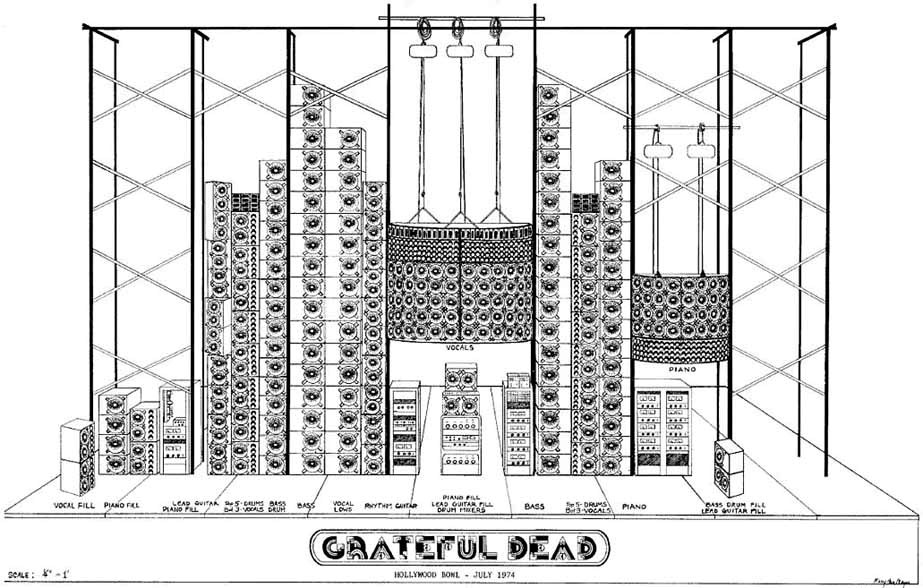
The Grateful Dead’s 1974 Wall of Sound carried the idea to its limit. Instrument-specific arrays stood behind the band, and differential microphones cancelled the PA’s own sound. Accounts often inflate its wattage. Its lasting lesson was that the system itself could be designed as one modular instrument, an idea modular touring would industrialise.
Plates
Documents from the era
Chronology
Milestones
Shea Stadium
The Beatles perform through the stadium announcement system, a vivid demonstration of the need for dedicated concert reinforcement.
Touring companies emerge
Operators including Clair Brothers begin developing repeatable, road-ready systems rather than one-off venue installations.
Monterey Pop
A festival production brings more deliberate full-range reinforcement and multitrack recording to a major rock audience.
Woodstock
Bill Hanley’s custom system and distributed towers reinforce a huge outdoor gathering under severe logistical pressure.
The Wall of Sound
The Grateful Dead, Alembic, and collaborators deploy a monumental, instrument-segregated system behind the performers.
Technical principle
Modularity and source separation
Repeating known loudspeaker modules lets a system scale for venue size. The Wall of Sound went further by assigning separate arrays to instruments and vocal channels, reducing electrical intermodulation while creating difficult acoustic and logistical trade-offs.
Simplified signal chain
Working vocabulary