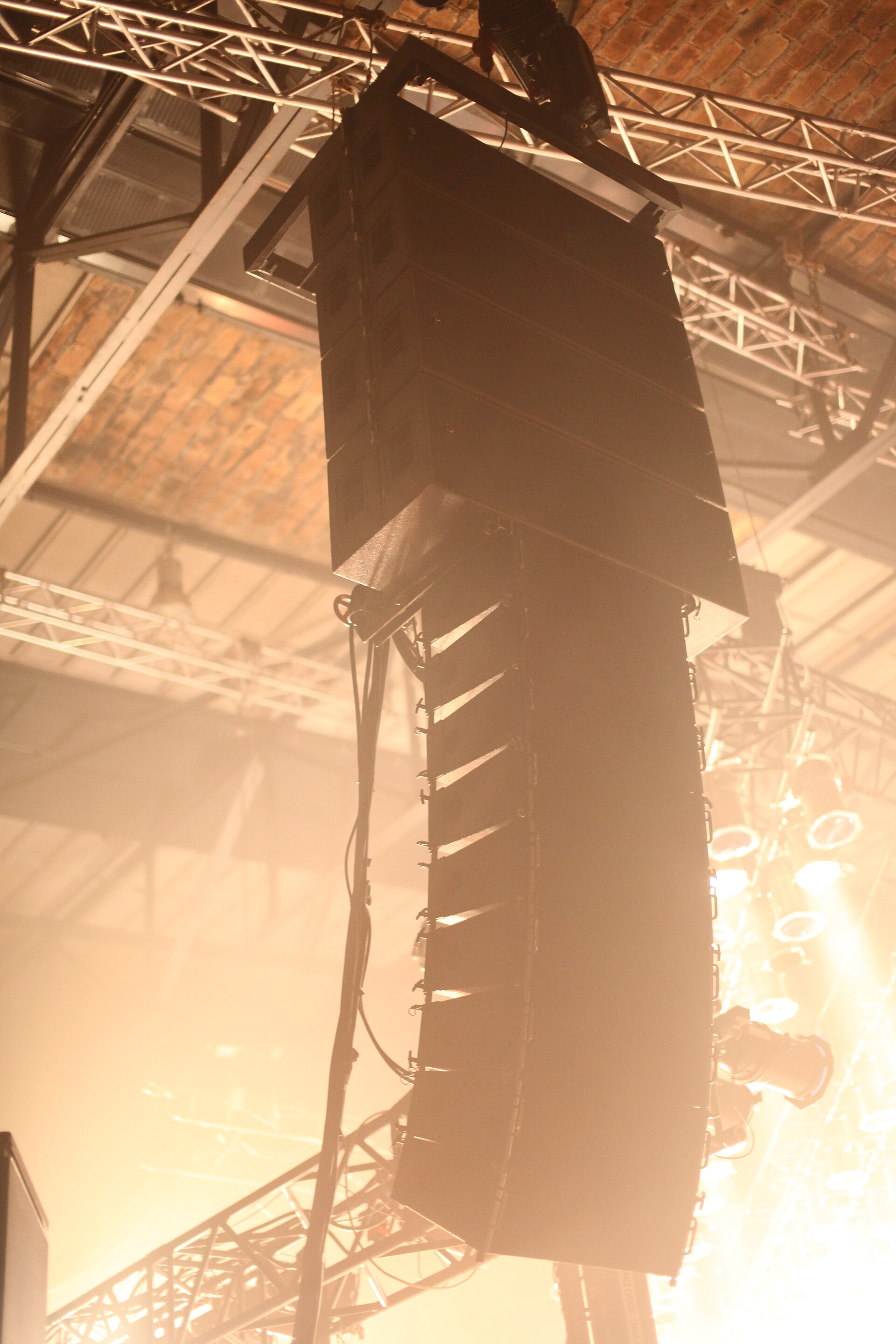
The shift
The modern line array did not simply stack more boxes. It coordinated closely spaced sources into a controllable wavefront and supplied prediction tools that connected venue geometry to cabinet angles.
Christian Heil’s Wavefront Sculpture work at L-Acoustics produced V-DOSC in the early 1990s. Closely coupled elements formed a single coherent wavefront that held level over long throws. The earlier ARCS constant-curvature system and the later dV-DOSC filled its range. Competitors answered with JBL’s VerTec, Meyer’s M3D and MILO, NEXO’s GEO T, EAW KF760, Adamson Y-Axis and Martin W8L.
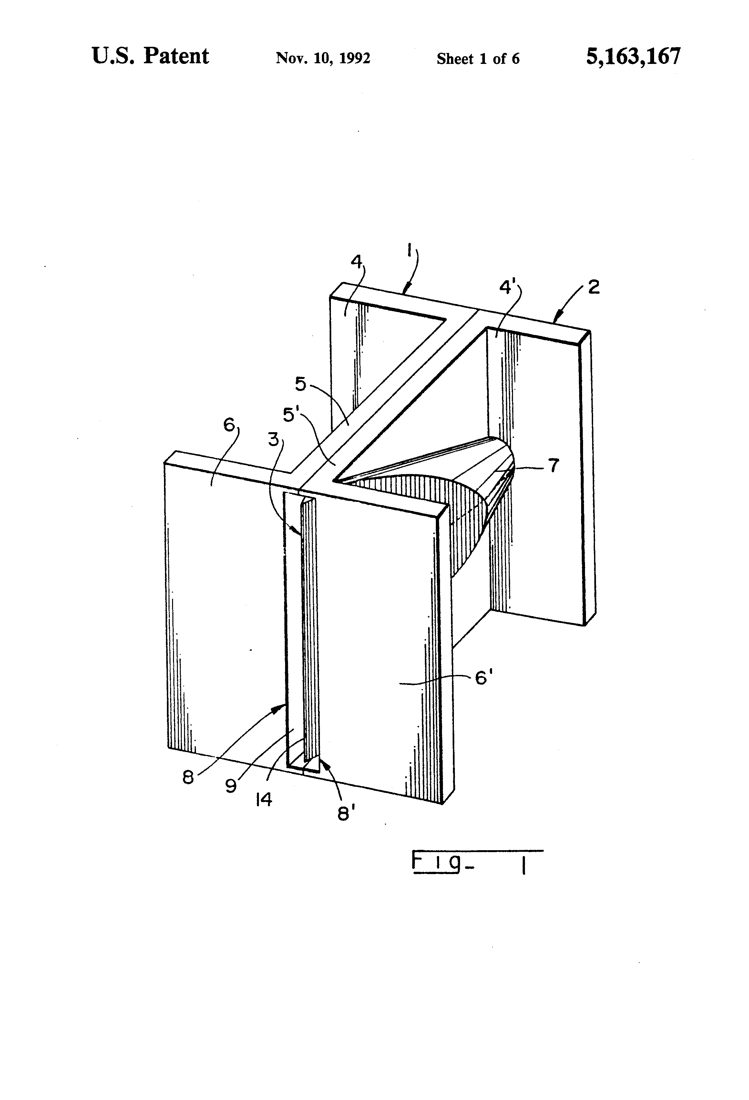 L-Acoustics V-DOSC© Christian Heil
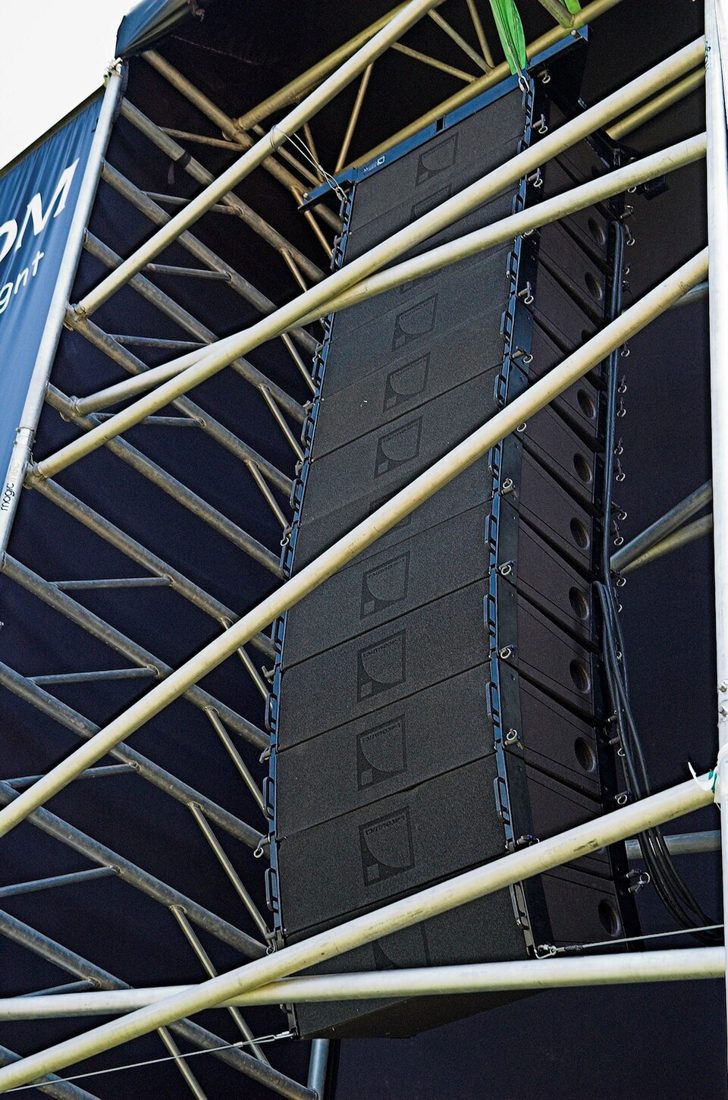 L-Acoustics dV-DOSC© JPRoche
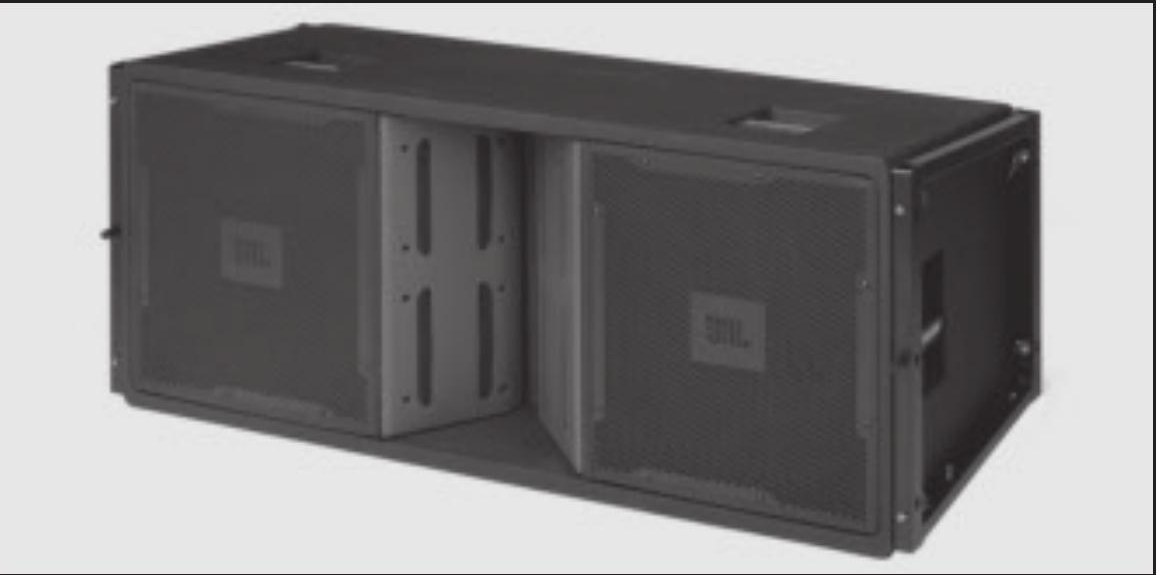 JBL VerTec VT4889© JBL Professional (Harman)
Line arrays needed precise processing and measurement to work. Processors like the Lake Contour and the Dolby Lake Processor combined crossover, delay, EQ and limiting in one box. Measurement systems such as Meyer’s SIM, Smaart and MLSSA compared a reference signal with what reached the audience. Engineers could align arrays, delays and cardioid subwoofers by phase and arrival time rather than by ear alone.
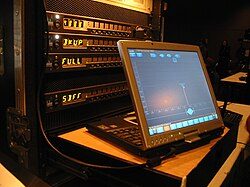 Lake Technology Contour processor© Binksternet
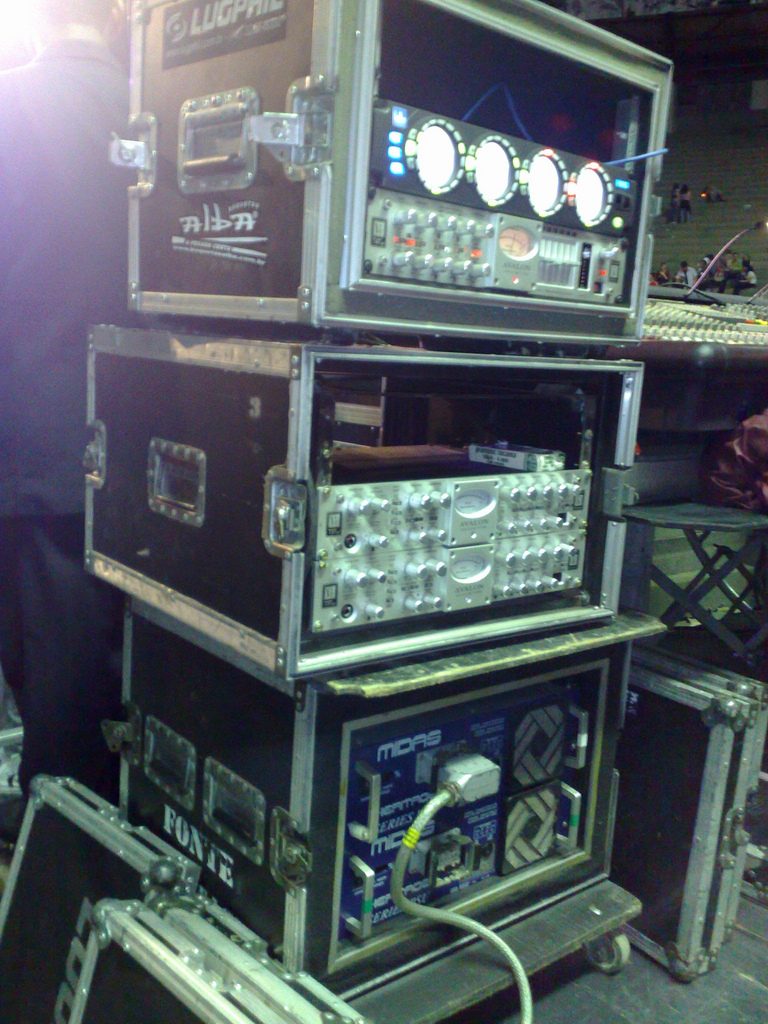 Dolby Dolby Lake Processor© Tiago Cassol Schvarstzhaupt
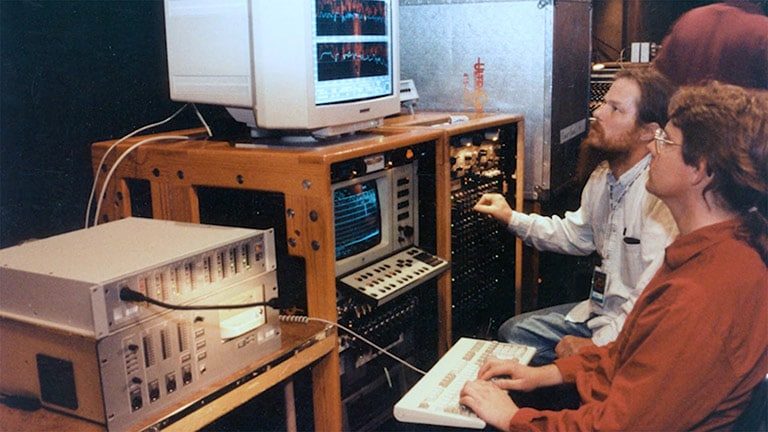 Meyer Sound SIM© Meyer Sound
 SIA / Rational Acoustics Smaart measurement platform© Rational Acoustics
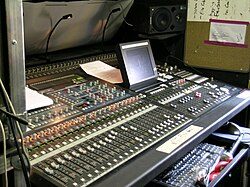
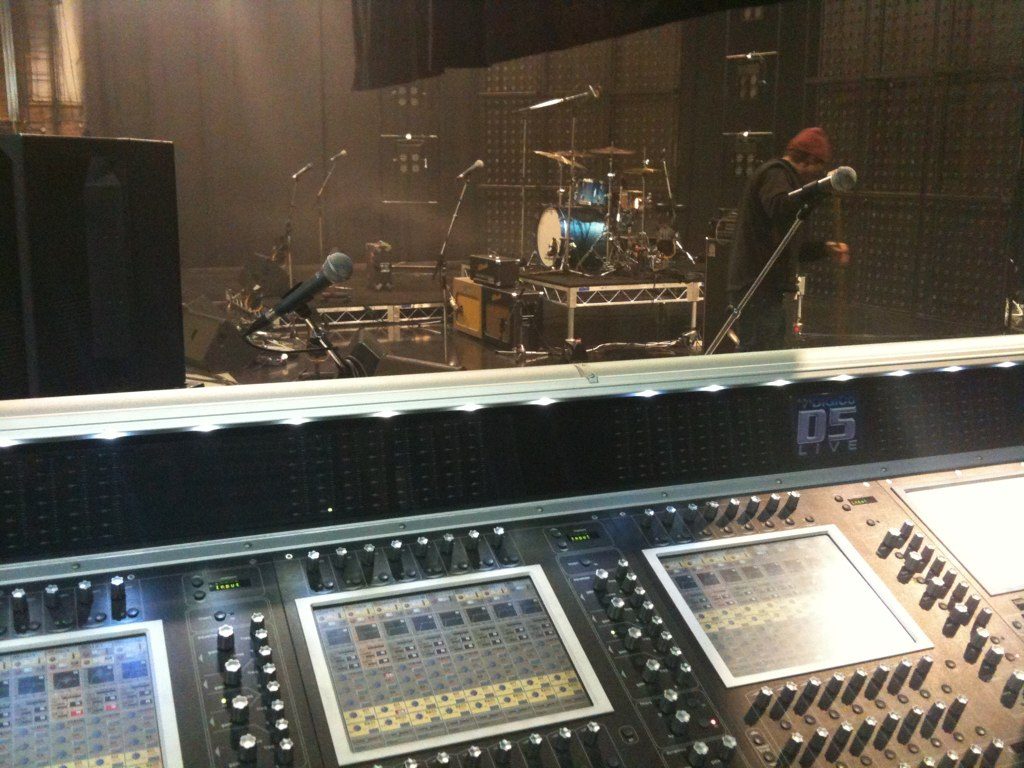
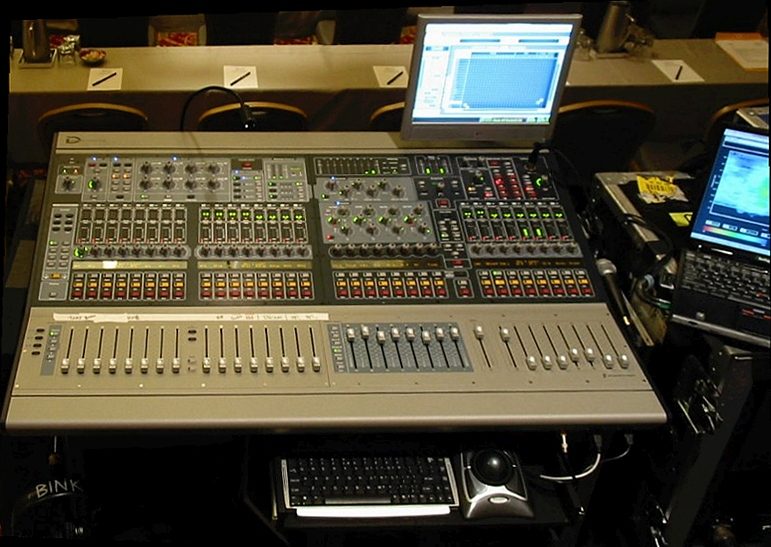
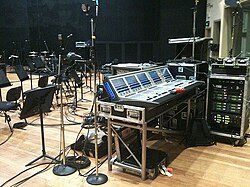
Consoles went digital in step. The Yamaha PM1D proved that a touring desk could live in software. The PM5D, DiGiCo D5 Live, VENUE D-Show, Innovason Grand Live and Soundcraft Vi6 added total recall, onboard dynamics and compact digital stage boxes. Those stage boxes raised the next question: how to move many channels between stage, front of house and monitors over a single cable.
Plates
Documents from the era

Chronology
Milestones
V-DOSC enters the field
L-Acoustics introduces a large-format system built around Wavefront Sculpture Technology.
Digital live consoles emerge
Digitally controlled and fully digital desks begin bringing scene recall and integrated processing to touring.
Smaart is introduced
Dual-channel FFT measurement becomes broadly accessible to working system engineers.
Line arrays accelerate
Major manufacturers develop systems around coupled vertical arrays and prediction software.
Directional bass arrays
Touring deployments increasingly use spacing and delay to reduce low-frequency energy behind the stage.
Technical principle
Wavefront sculpture
A line array seeks coherent coupling between adjacent elements while curving the array to distribute sound by audience geometry. Long, gently curved sections project farther; greater curvature spreads energy over nearer seats. Real arrays are finite, frequency-dependent systems—not ideal mathematical line sources.
Simplified signal chain
Working vocabulary