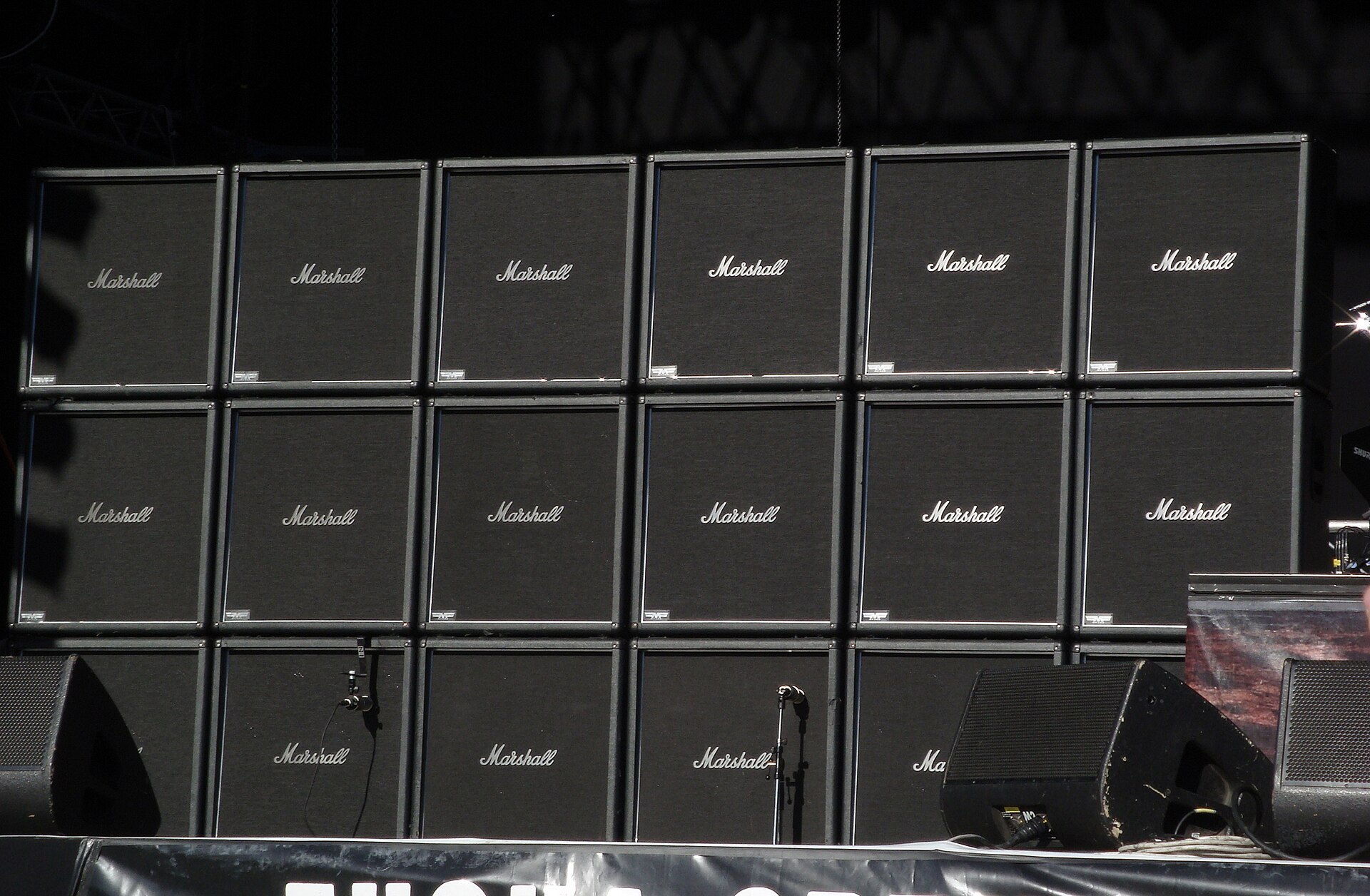
The shift
Concert sound became a logistics discipline. Systems had to pack efficiently, deploy safely, cover consistently, and survive a tour while delivering studio-like control at scale.
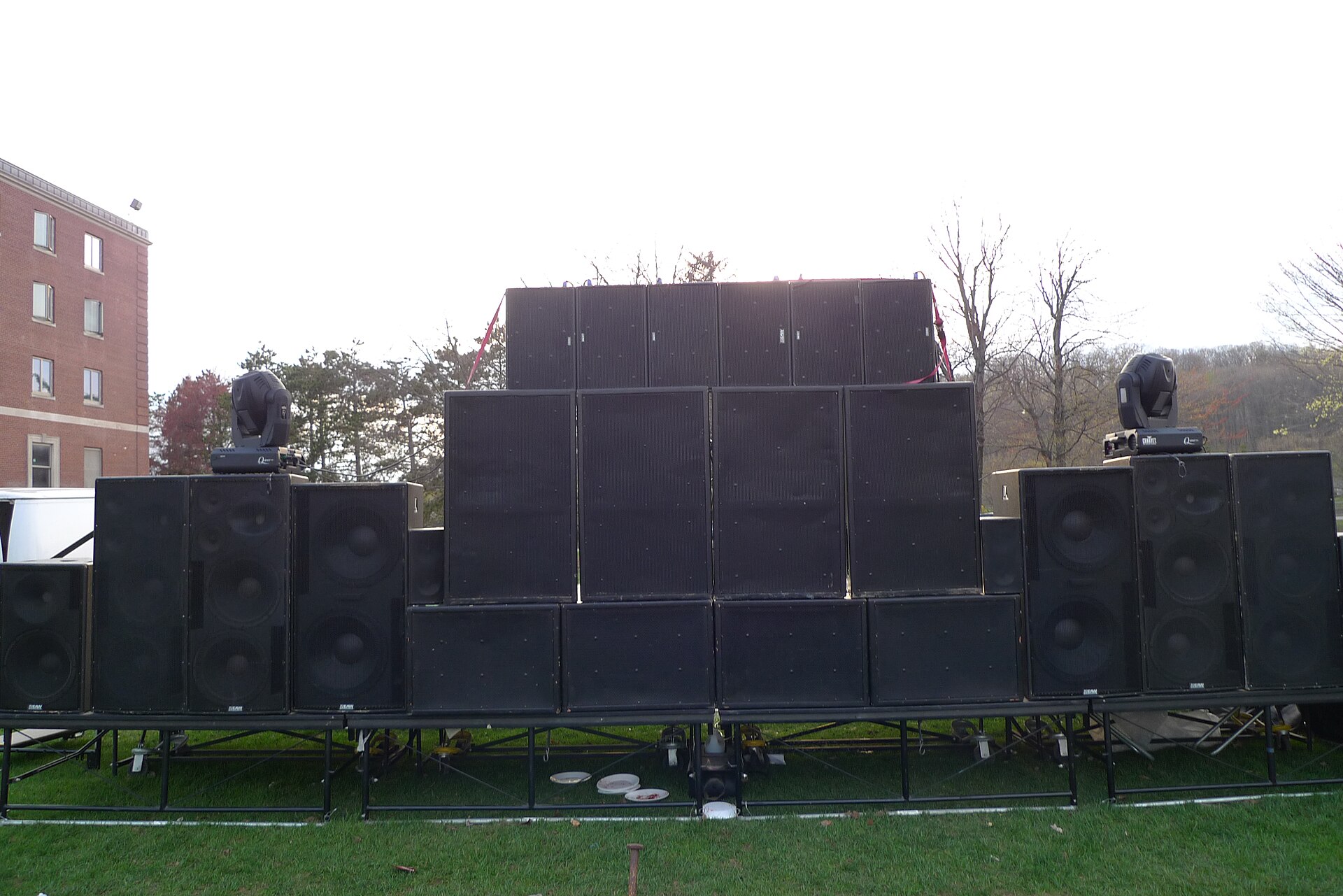
The 1980s turned custom rigs into repeatable boxes. Clair’s S-4F and R-4, Turbosound’s TMS-3 and Flashlight, and Martin Audio’s Philishave and Modular 2 systems combined horn-loaded mids with compression-driver highs in cabinets that could be stacked or flown by the dozen. EAW’s KF850 and BH882 brought the approach to rental fleets worldwide.
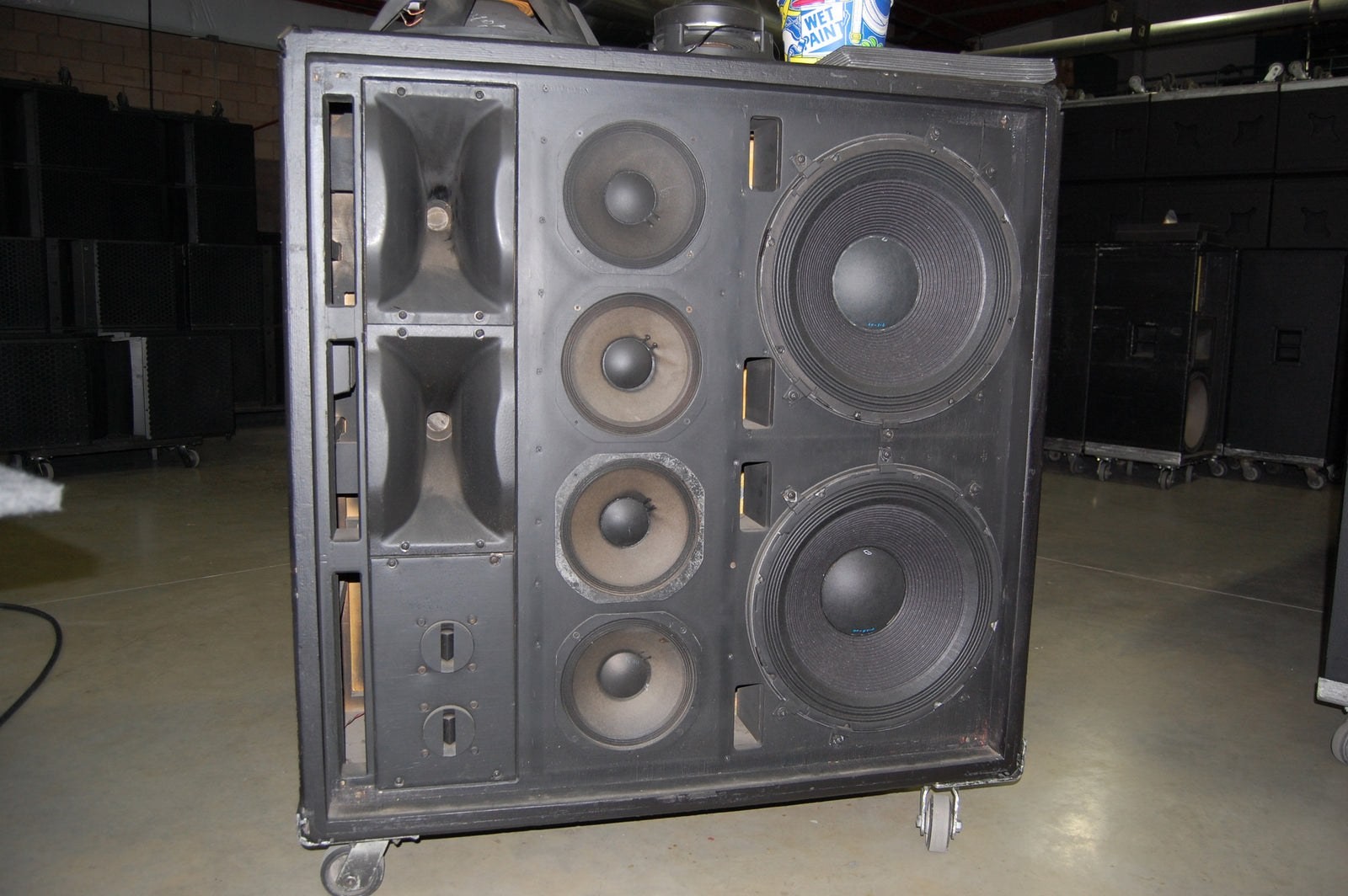 Clair Brothers S-4F© Clair Global / CLAIR Used Gear
 Turbosound TMS-3© Warehouse Sound Services
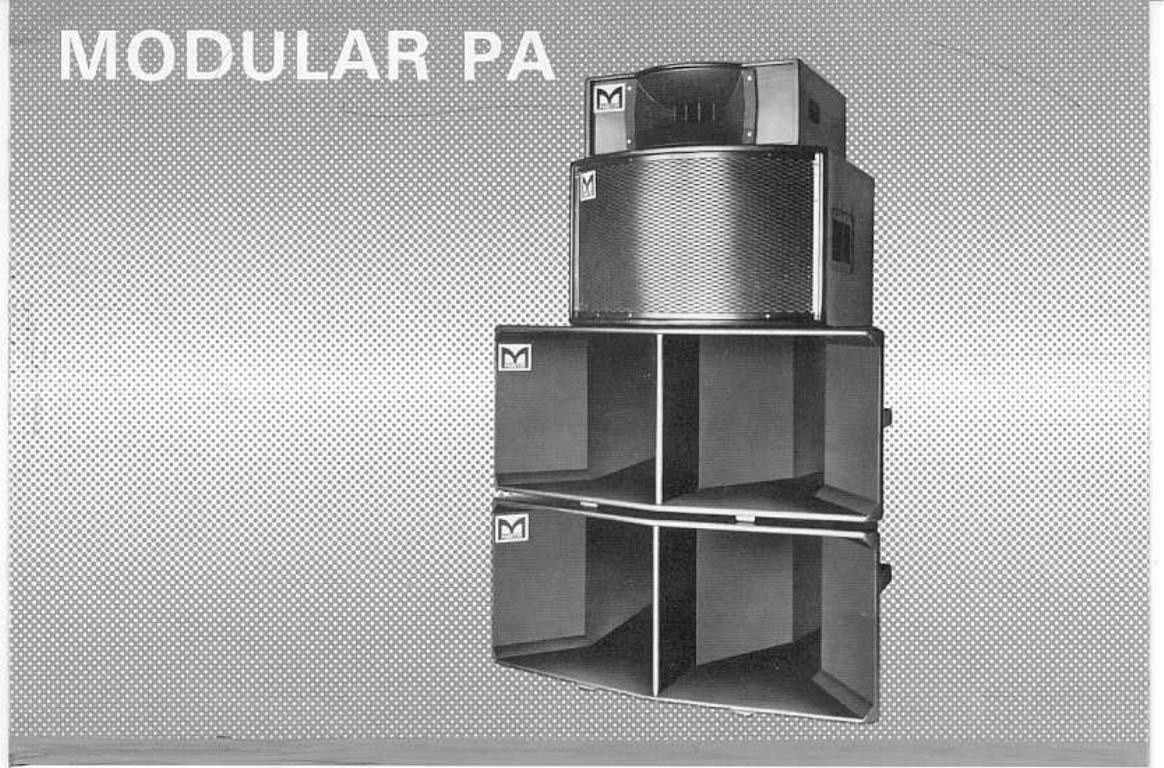 Martin Audio Philishave system© Martin Audio
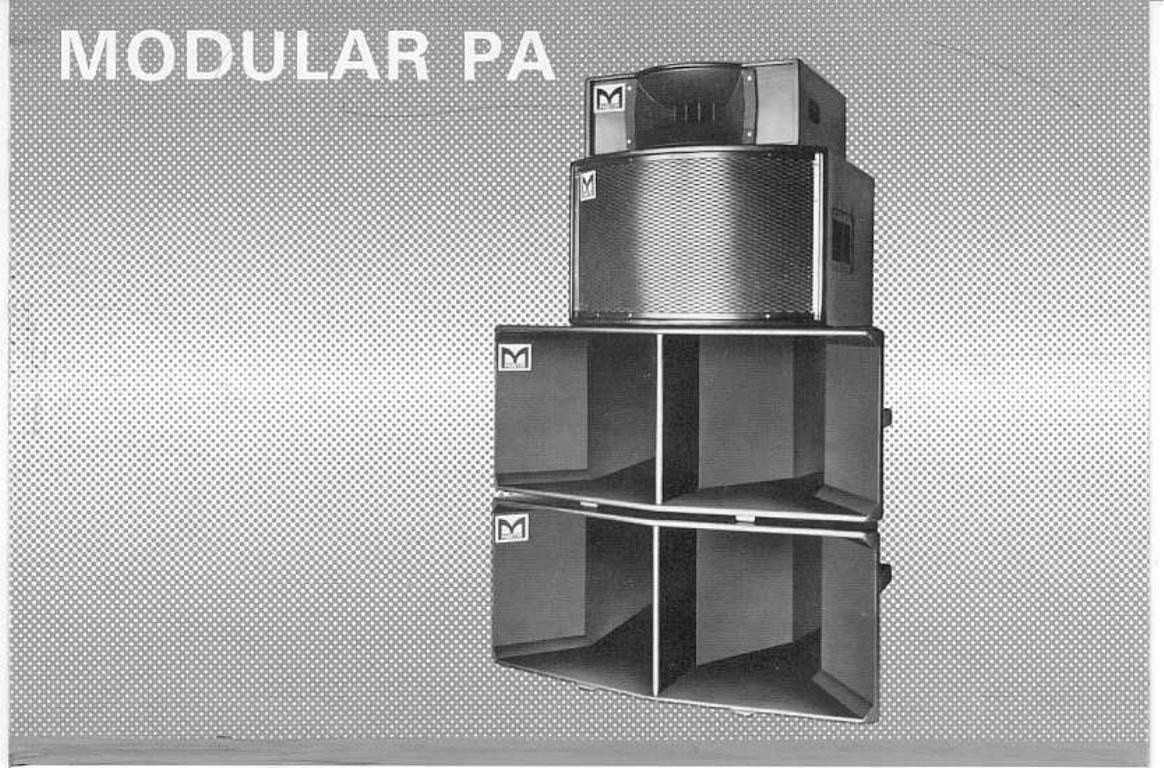 Martin Audio Modular 2 system© Martin Audio
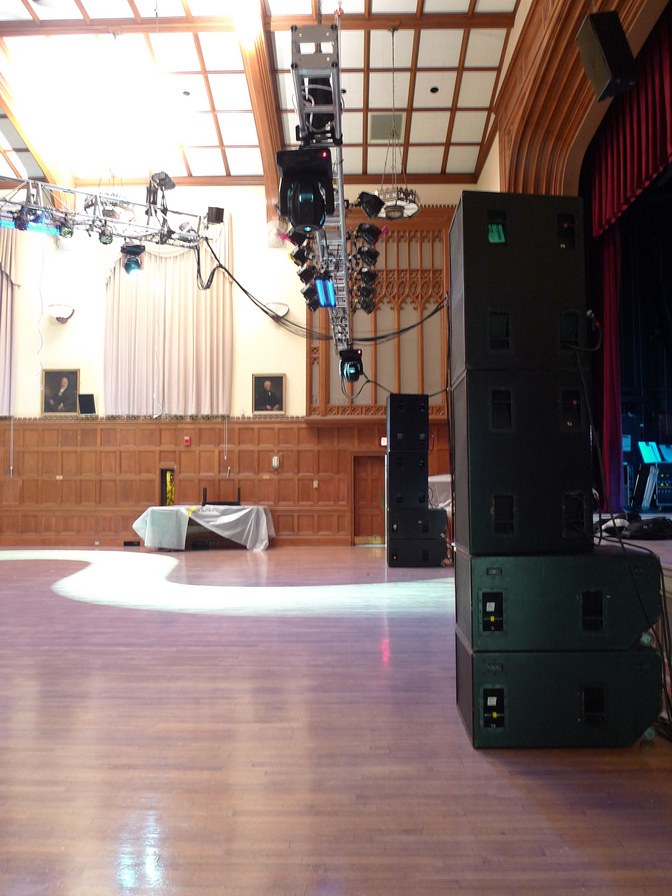 EAW KF850© Kurt Snieckus
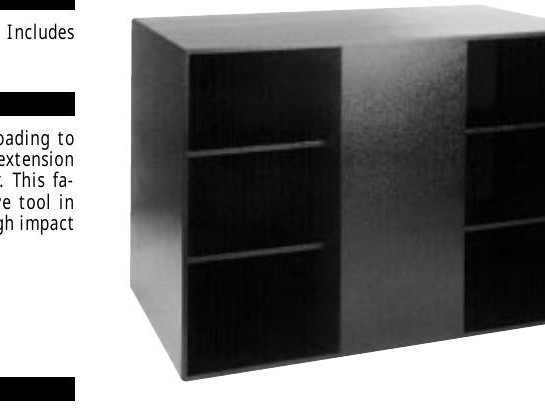 EAW BH882 bass horn© Eastern Acoustic Works
Meyer Sound tied each loudspeaker to its own processor, so the MSL-3, USW-1 subwoofer and UM-1 wedge behaved predictably wherever they were hung. That approach made measurement-based tuning practical, and it pointed straight at the self-powered and line-array systems of the next decade. Electro-Voice’s HR9040 constant-directivity horn and MT-4 manifold pursued the same predictability through acoustic design.
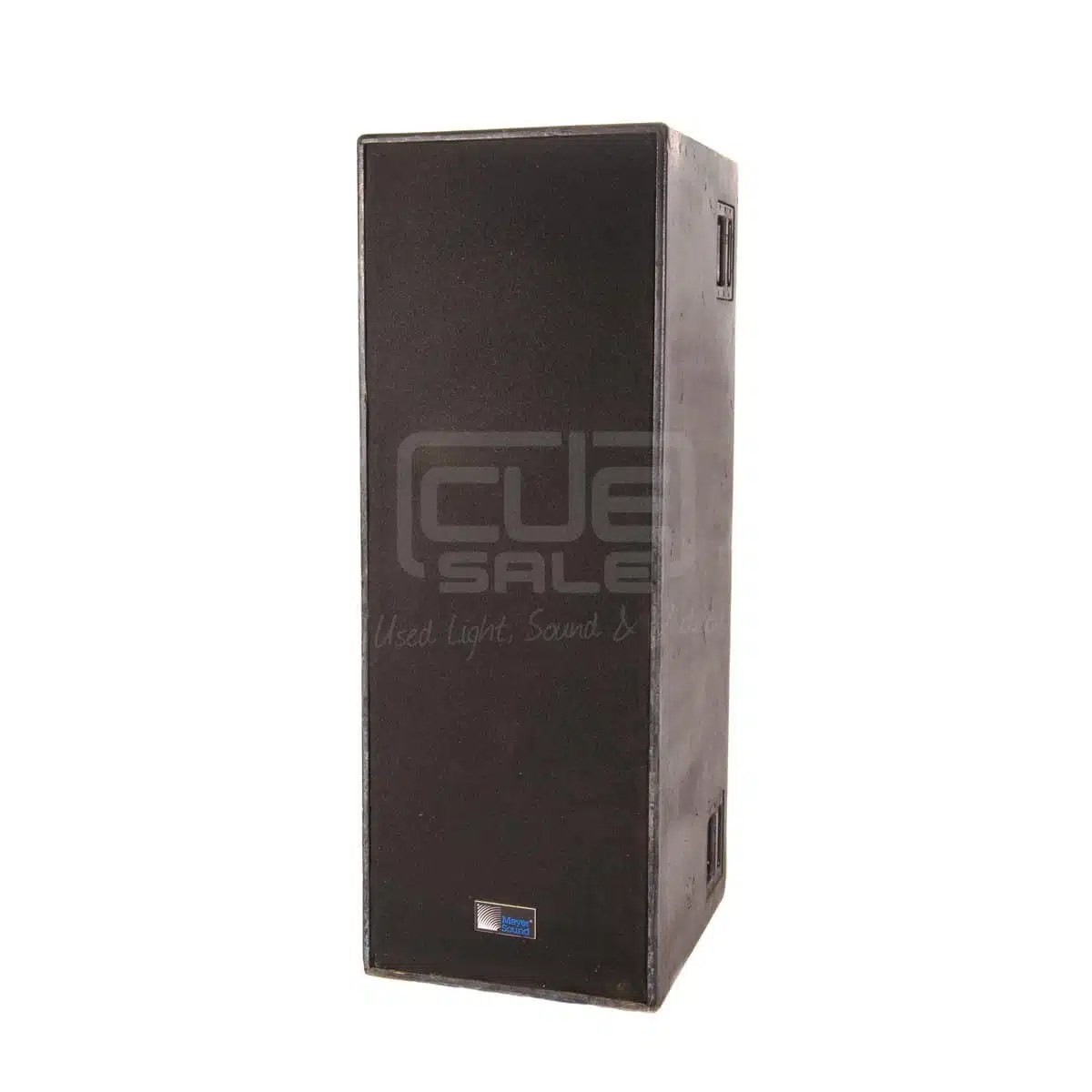 Meyer Sound MSL-3© CUE Sale
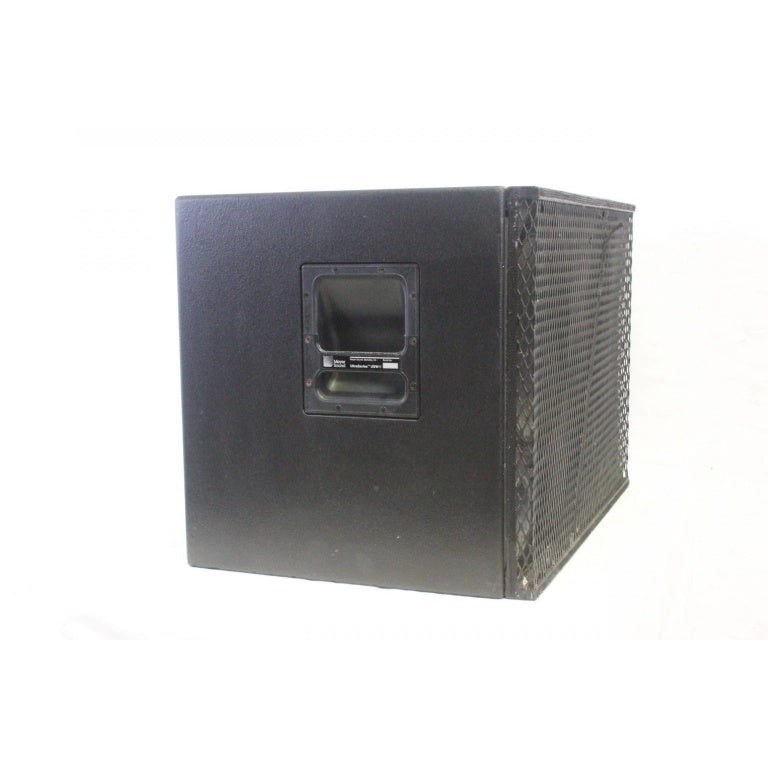 Meyer Sound USW-1 subwoofer© AVGear
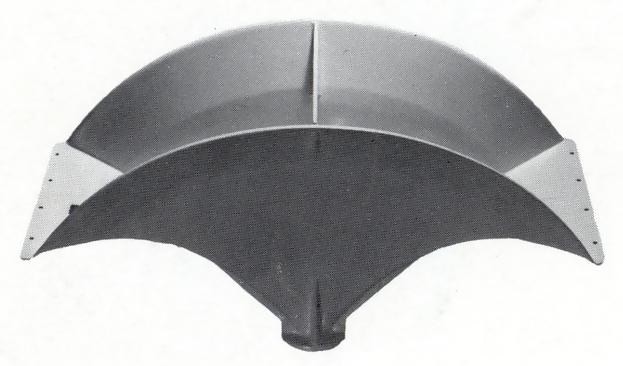 Electro-Voice HR9040 constant-directivity horn© Electro-Voice
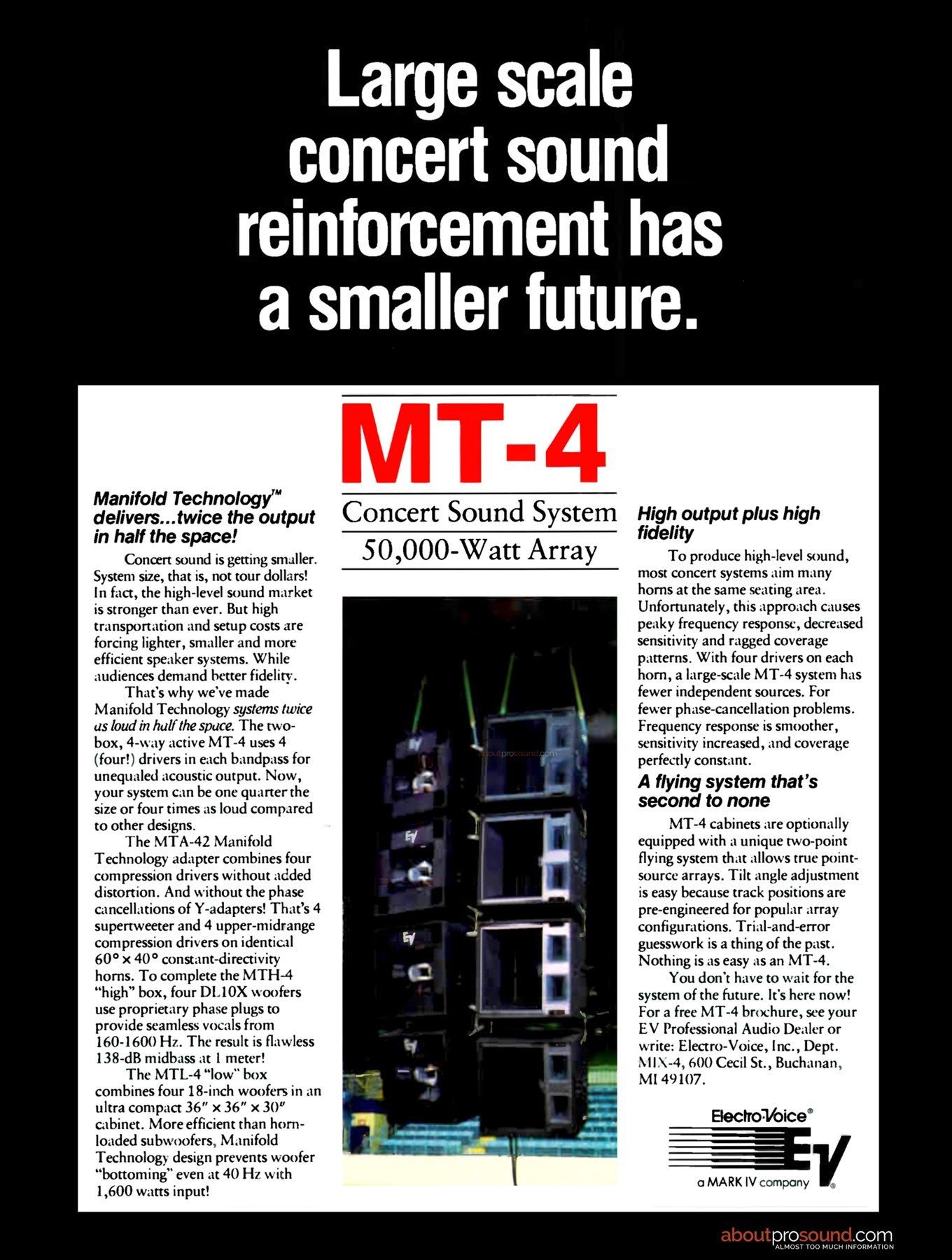 Electro-Voice MT-4 manifold system© Electro-Voice
Bigger systems needed more amplifier channels and more console inputs. The Crown Macro-Tech, Crest 8001 and Lab Gruppen LAB 2000 supplied racks of reliable power. At front of house, the Yamaha PM3000, Soundcraft Series 4 and Midas XL3/XL4 expanded routing and EQ, and dbx 160 compressors tamed vocals.
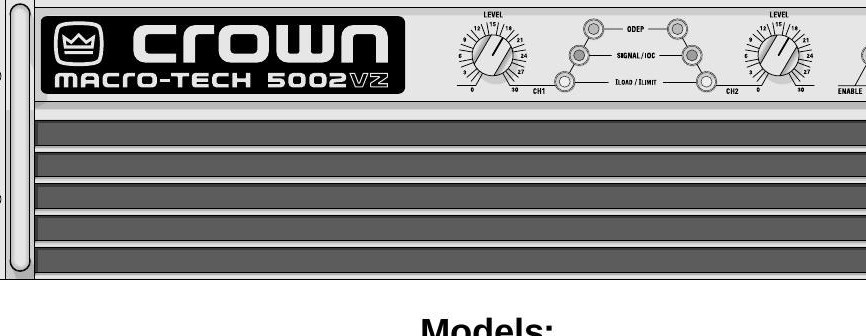 Crown Macro-Tech amplifier© Crown International
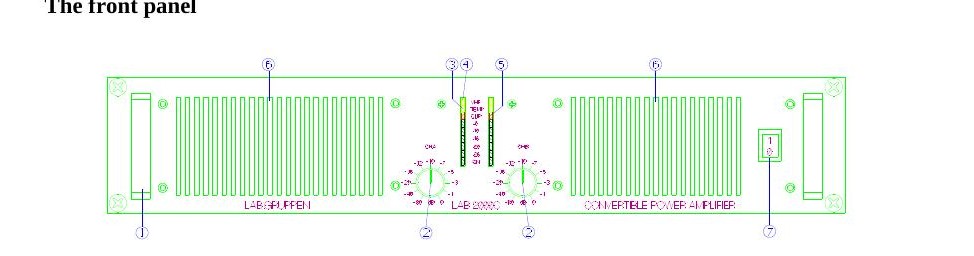 Lab Gruppen LAB 2000 amplifier© Lab.gruppen
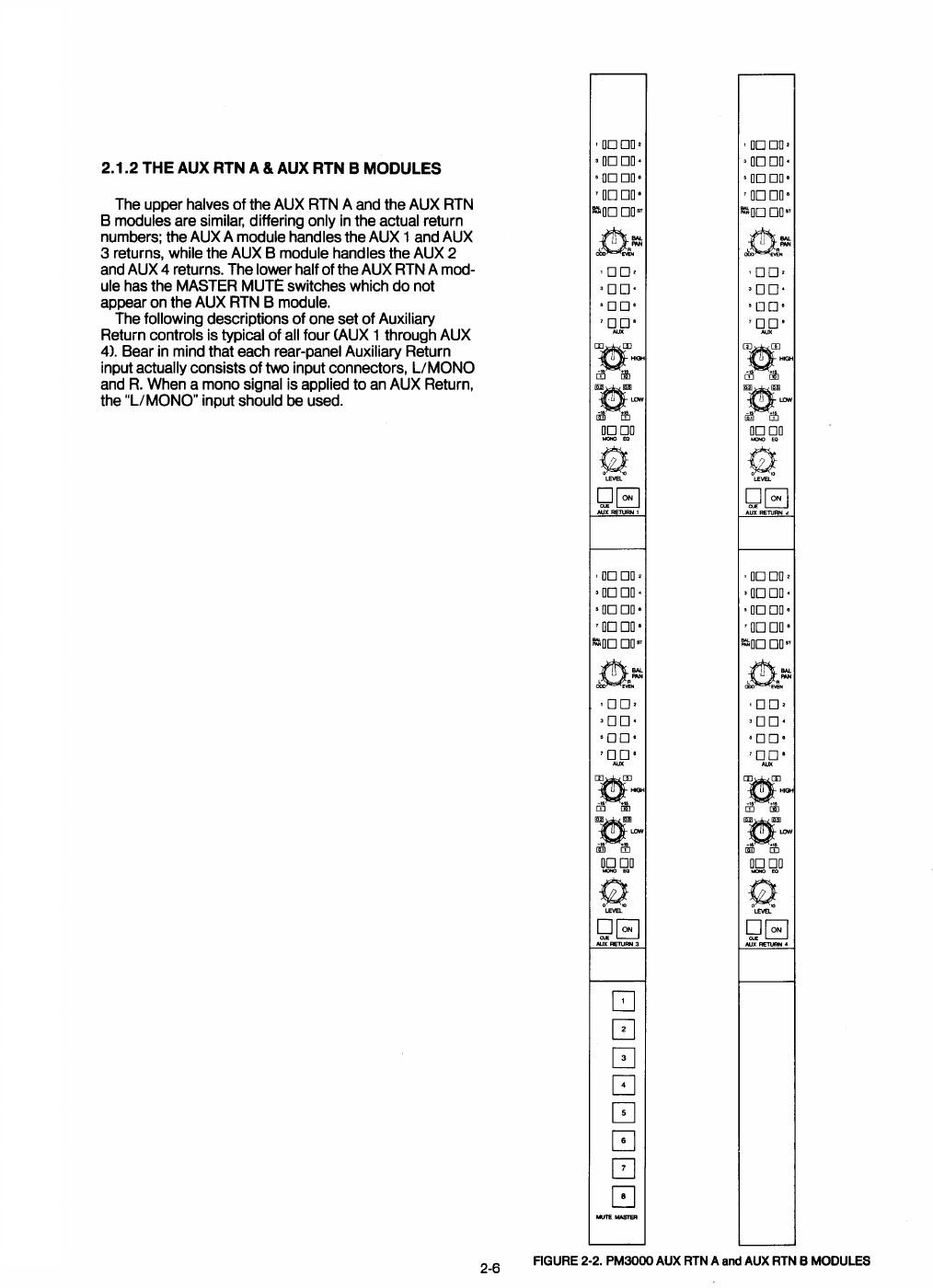 Yamaha PM3000 console© Yamaha Corporation
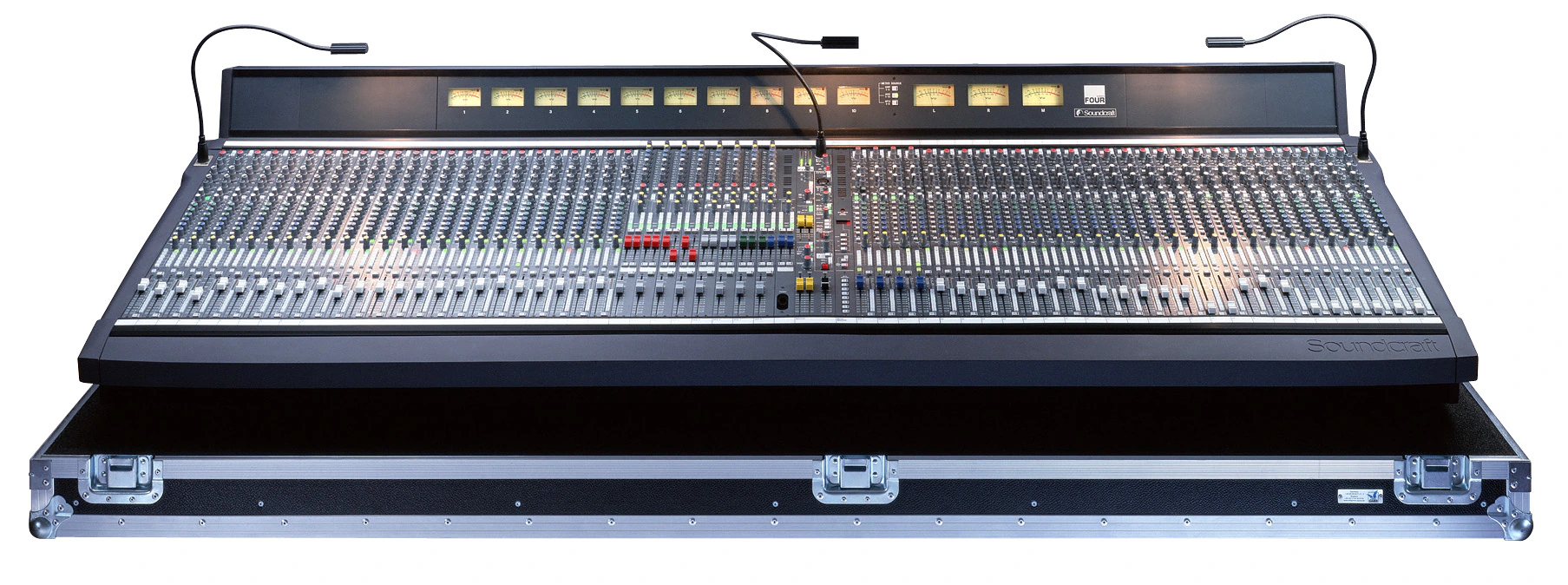 Soundcraft Series 4 console© Soundcraft / HARMAN International
Monitoring became its own specialty. Wedges, sidefills and dedicated consoles gave each performer a mix. Wireless systems such as the Schaffer-Vega Diversity System and Vega Cordless Mike freed performers from cables, and high stage volume pushed the industry toward in-ear monitoring.
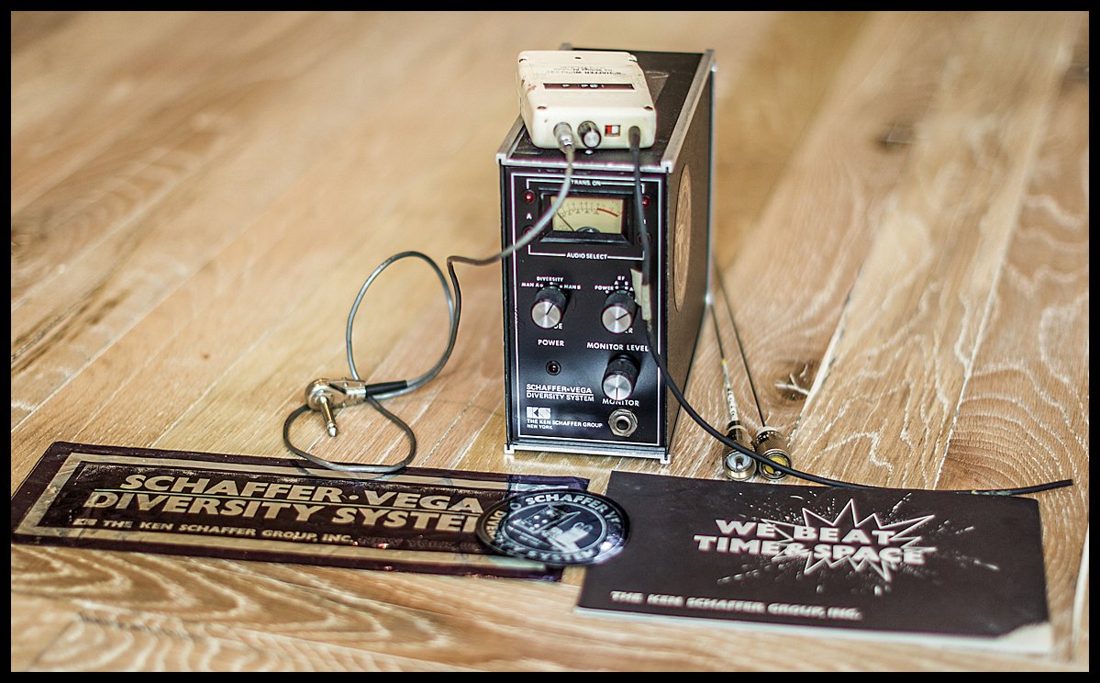
Plates
Documents from the era
Chronology
Milestones
Integrated touring packages mature
Standardized cabinets, racks, multicore cable, and road cases make systems faster and more repeatable.
Midas establishes a console lineage
Purpose-designed touring desks bring flexible routing and a durable control surface to front of house.
Meyer Sound is founded
John and Helen Meyer build a company around engineered loudspeaker/processor systems and measurement.
Flying becomes standard practice
Engineered rigging places clusters overhead, improving sightlines and direct-sound coverage.
Turbosound Flashlight
High-efficiency horn loading and tightly controlled modular coverage become a major touring reference.
Technical principle
Pattern control through horns and arrays
When multiple cabinets overlap, their phase and level relationships determine whether energy sums smoothly or produces lobes and cancellations. Defined horn patterns and deliberate splay angles let designers tile coverage with fewer destructive overlaps.
Simplified signal chain
Working vocabulary