Equipment file · Three-way line array

VerTec VT4889

JBL · 2000

Evidence status · documented

Identity and core specifications are documented; some historical fields remain unavailable.

JBL introduced the VT4889 in 2000 as the first VerTec line array, debuting it with 68 enclosures at the Democratic National Convention at Staples Center. It uses Differential Drive dual-coil woofers and a Radiation Boundary Integrator to combine its elements into a coherent wavefront.

Introduced
2000
Category
Three-way line array
Intended use
Touring, corporate and venue line arrays
Production
JBL VerTec

Equipment photographs · 1
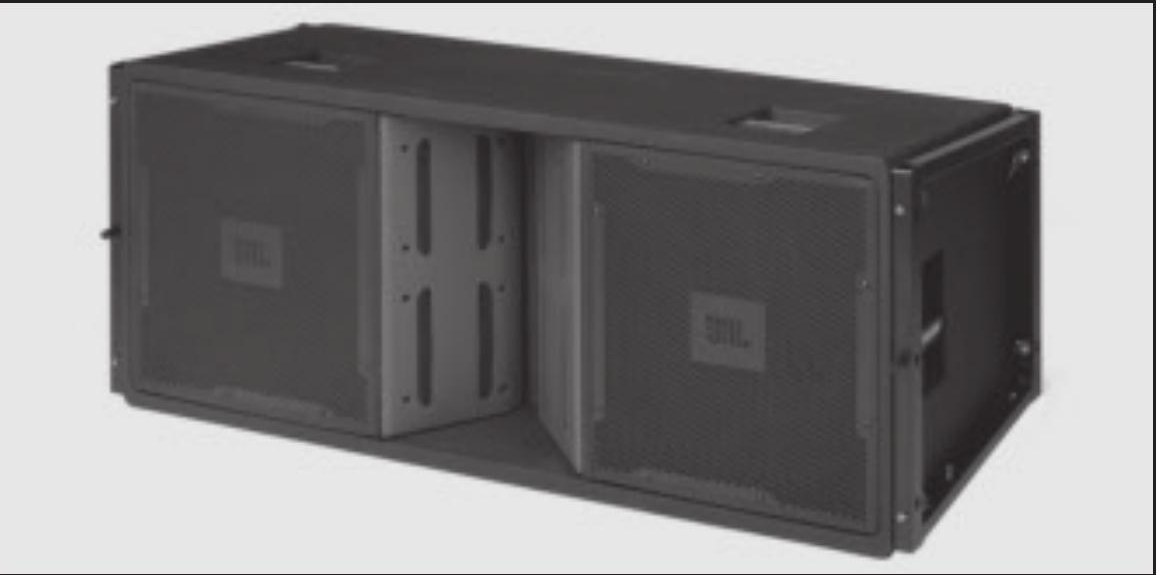
JBL VerTec VT4889 three-way line array element, front three-quarter view

1 / 1 · JBL VT4889 product photograph from the official VT4889 spec sheet

JBL VT4889 product photograph from the official VT4889 spec sheet·JBL Professional (Harman)·© JBL Professional; used for identification and historical commentary

Why it mattered

  1. 01

    It marked JBL's entry into the coherent line-array market pioneered by [[l-acoustics-v-dosc|V-DOSC]].

  2. 02

    It entered the NAMM TECnology Hall of Fame in 2019.

Engineering record

Array coupling
Radiation Boundary Integrator[1]
Transducers
Differential Drive neodymium woofers and 3-inch-diaphragm compression drivers[1]

Original pricing

No reliable period price located

2026 equivalent

Not calculated without a reliable original price.

Public price evidence was not sufficient to publish a defensible original figure.

Use in the field

68 VT4889s at the 2000 Democratic National Convention, designed by Patrick Baltzell[2]

Manuals & original documents

Sources

  1. 1VT4889JBL Professional · manual
  2. 2JBL VerTec Line Array SystemMix · archive · 2000-10-01
  3. 3JBL VerTec Inducted Into NAMM TECnology Hall of FameFOH · archive · 2019-02-13

Contribute to the record

Know more about VerTec VT4889?

Corrections, firsthand information, original documents, and credited photograph sources are welcome.

Your email is private and will not appear in the archive. Contributions are not published automatically.

Help build the archive

A missing piece? A correction?

Contribute to Resonant

Support the archive

Resonant is built one verified record at a time: research hours, archival image rights, and the hosting that keeps every era, equipment file, and citation free to read. If this archive is useful to you, a donation of any size keeps the next entry moving.

How donations are used

Payments go directly to the archive’s editor through Venmo and Cash App. Resonant is an independent project rather than a registered charity, so donations are not tax-deductible and nothing is sold or subscribed to in return.