The shift
The system stopped being a chain of isolated devices. It became a managed network whose endpoints could report status, receive presets, and carry hundreds of synchronized audio channels.
Digital snakes began as proprietary links. CobraNet and EtherSound carried audio over Ethernet. AES50, Optocore and RockNet connected stage boxes to consoles. In 2006 Audinate introduced Dante, which routed multichannel audio and clock over standard IP networks. Open standards followed: AVB, Milan, RAVENNA and the AES67 interoperability layer.
 Peak Audio / Cirrus Logic CobraNet© CobraNet
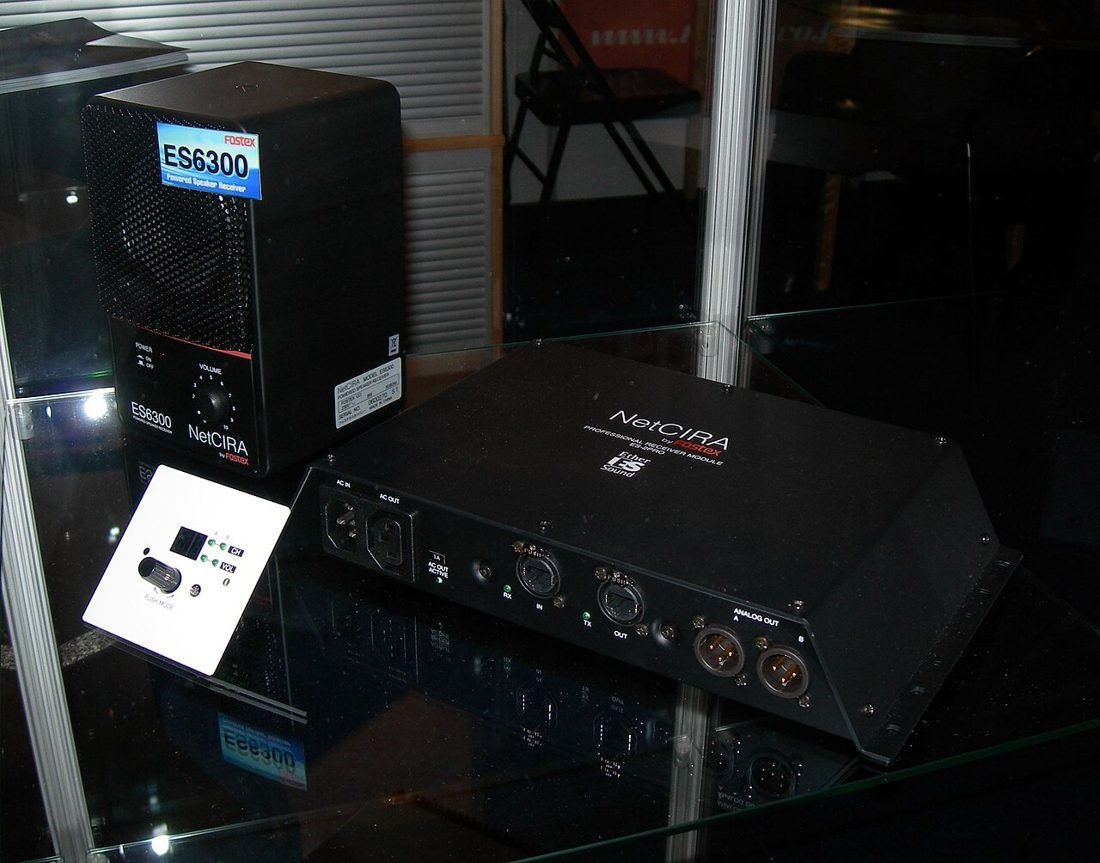 Digigram EtherSound© CLI
 Audinate Dante© Audinate Pty, Ltd.
 ALC NetworX RAVENNA© ALC NetworX
 Audio Engineering Society AES67© Audio Engineering Society
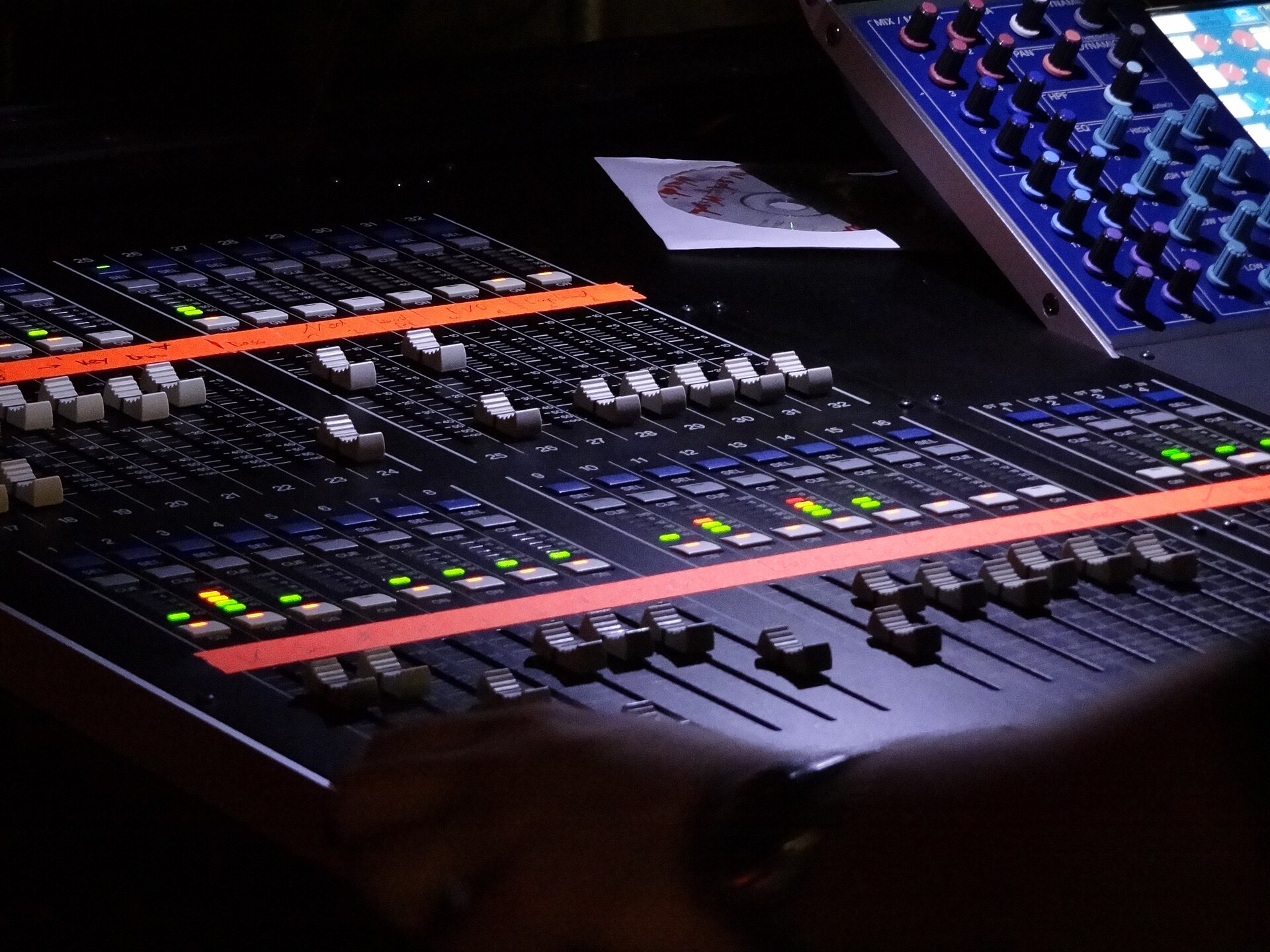
Networking reshaped the console. The DiGiCo SD7, Avid VENUE S6L, Yamaha RIVAGE PM10, CL5, Allen & Heath dLive, Midas PRO X and SSL Live L500 treated inputs as shared network resources. Front of house, monitors, broadcast and recording could all draw on the same stage split.
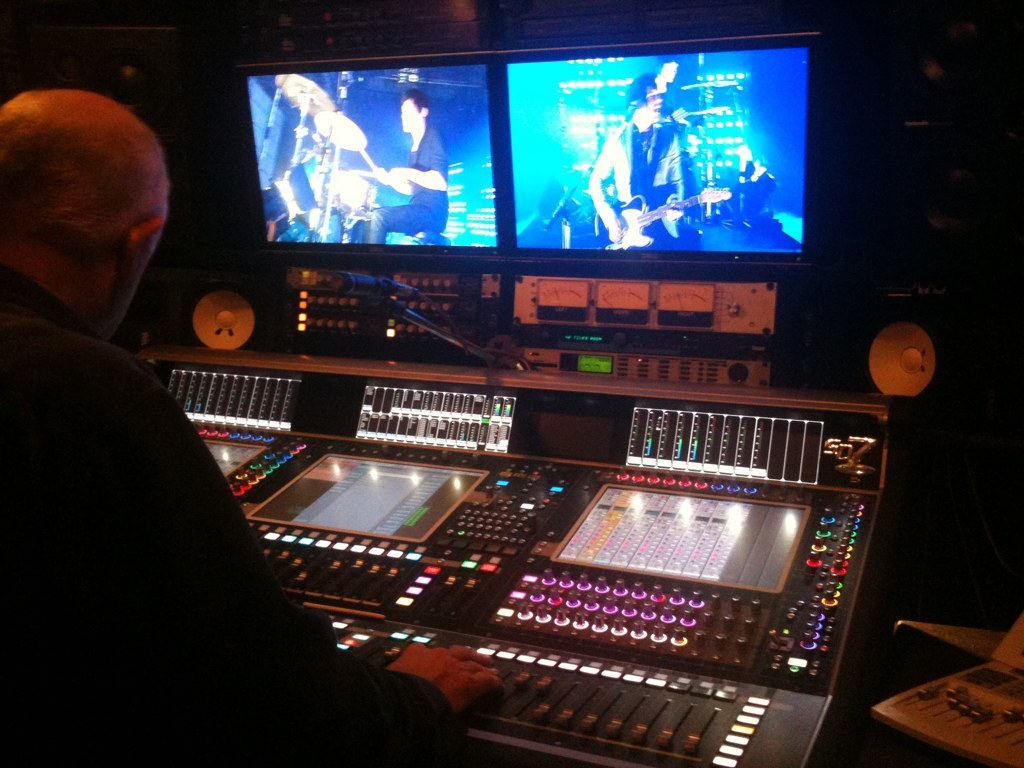 DiGiCo SD7© Duncan Underwood
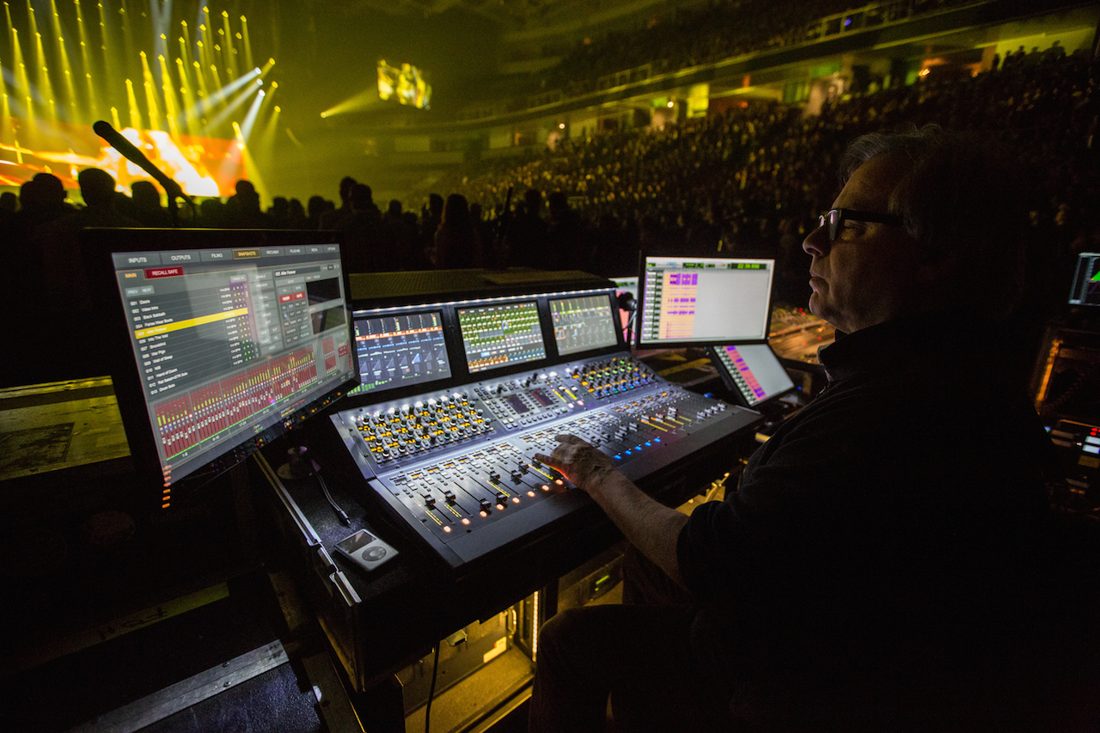 Avid VENUE S6L© Basshag
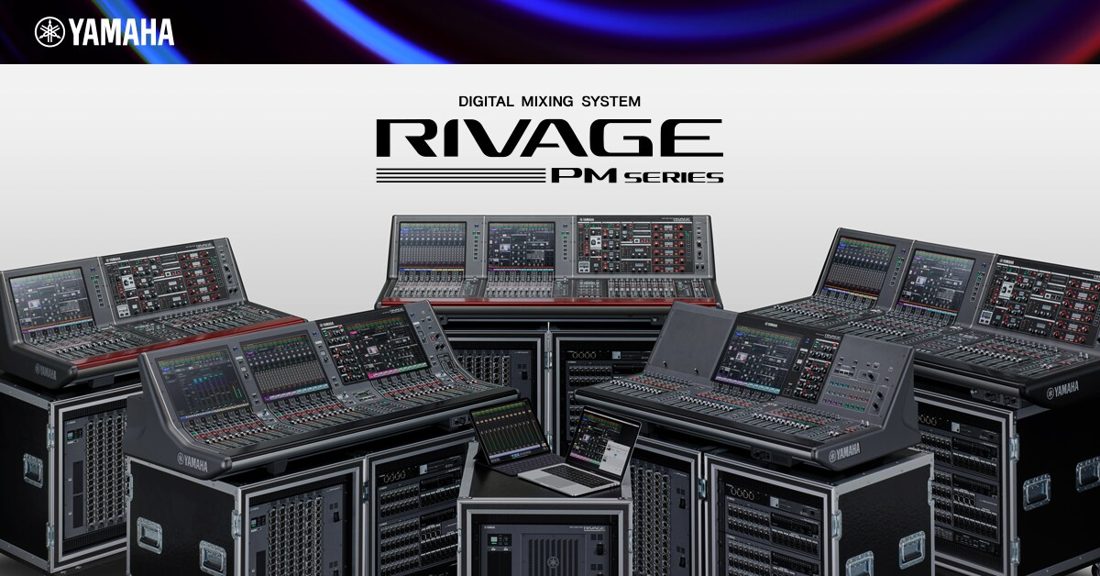 Yamaha RIVAGE PM10© Yamaha
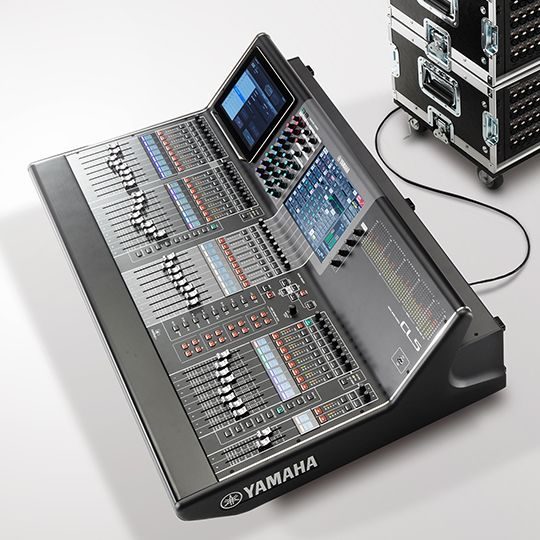 Yamaha CL5© Yamaha
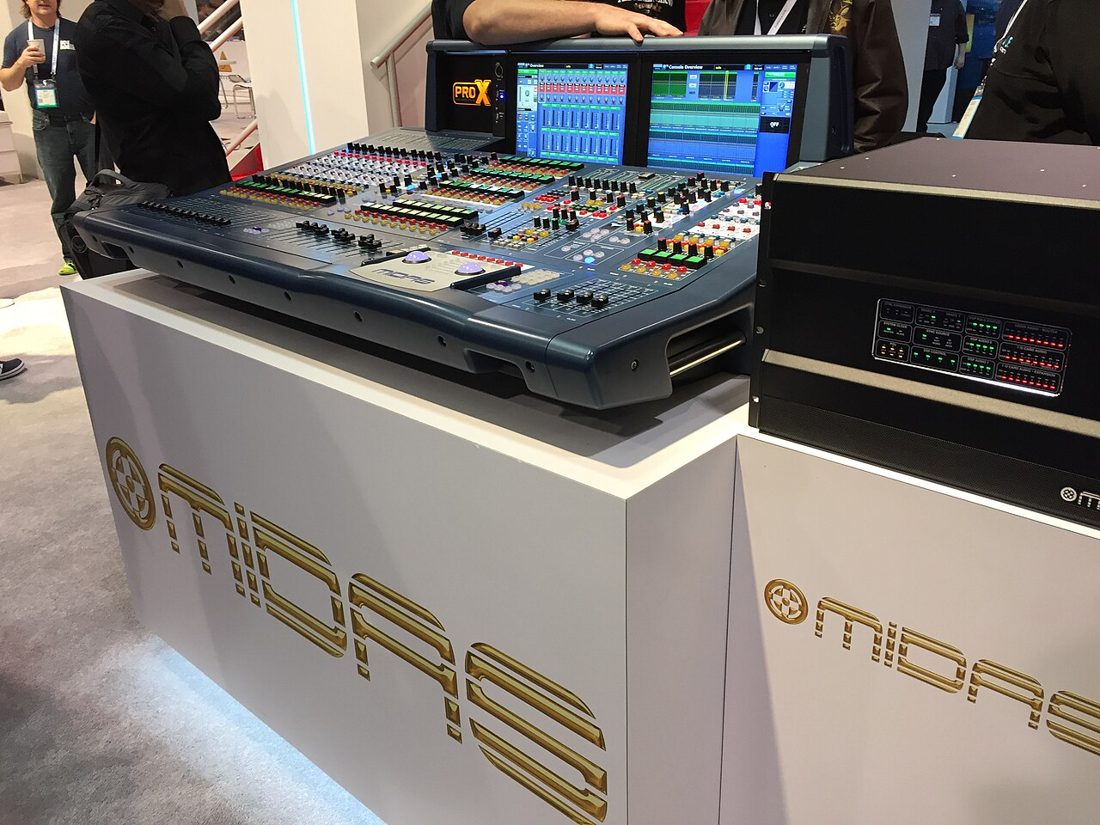 Midas PRO X© Jim J
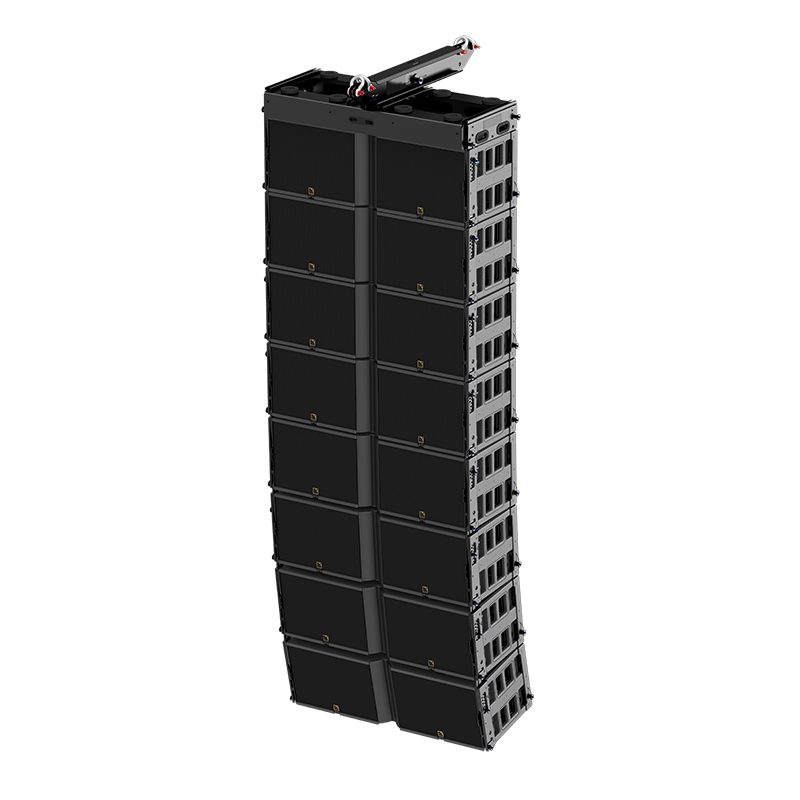
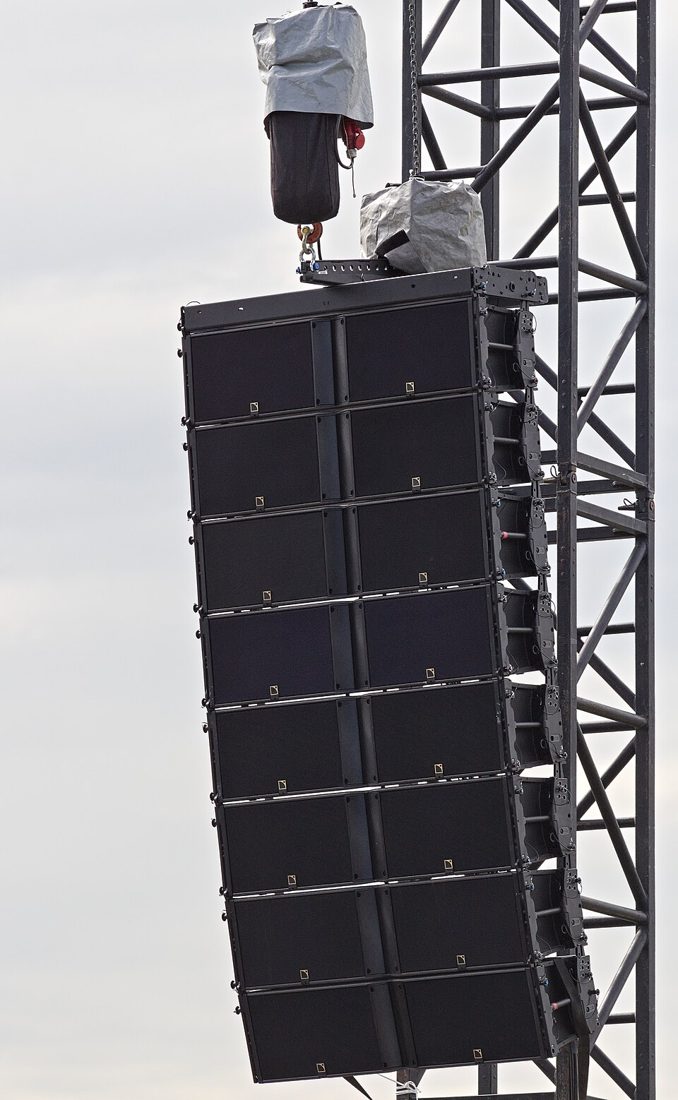
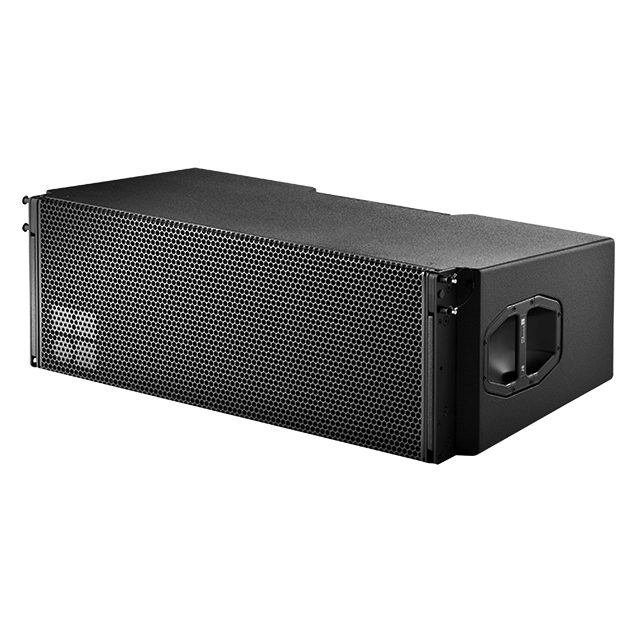
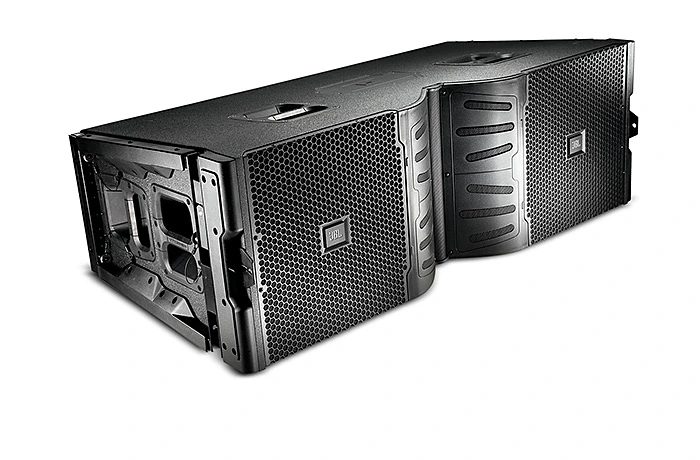
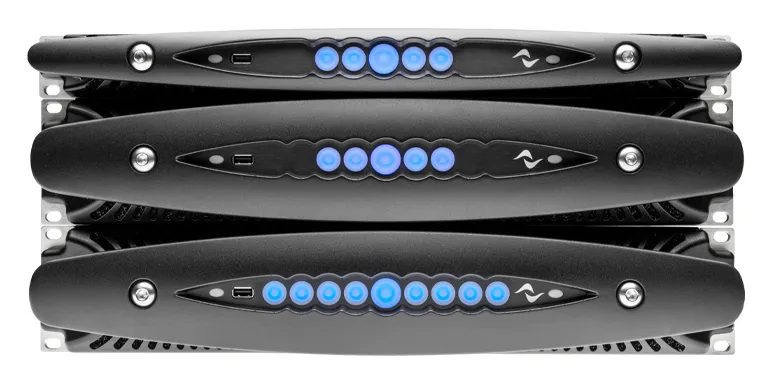
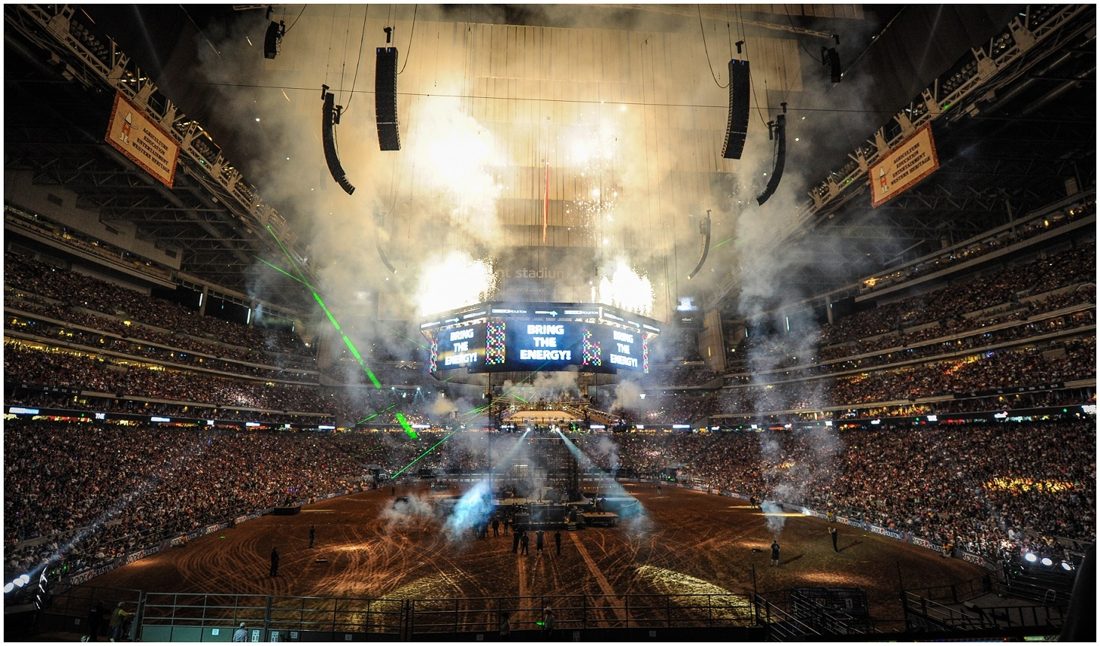
Loudspeakers joined the network too. L-Acoustics’ K1 and K2, Meyer’s LEO and LYON, d&b’s J-Series and SL-Series, JBL VTX V25, Adamson E15 and NEXO STM were driven by networked amplifiers such as Powersoft X Series. Software like LA Network Manager reported every driver’s load and temperature. The same networks now carry the dozens of independent feeds that immersive rendering requires.
Chronology
Milestones
Dante is introduced
Audinate develops IP-based multichannel audio networking with integrated clocking and software routing.
AVB standards mature
IEEE standards define synchronized, bandwidth-aware media transport across compatible Ethernet networks.
Remote amplifier telemetry
Engineers monitor impedance, temperature, limiting, and faults across large fleets from a central interface.
3D prediction becomes routine
Detailed venue models guide array geometry, aiming, delay, level shading, and rigging decisions.
Milan launches
Pro-audio manufacturers define an interoperable application layer based on AVB standards.
Technical principle
Clocked packet audio
Digital samples are grouped into network packets and delivered to subscribed devices. A shared precision clock keeps endpoints aligned; buffers absorb packet timing variation but add latency. Redundant topologies protect the show from a cable or switch failure.
Simplified signal chain
Working vocabulary