Equipment file · Cardioid dynamic vocal microphone

SM58 microphone

Shure · 1966

Evidence status · documented

Identity and core specifications are documented; some historical fields remain unavailable.

The Shure SM58 uses the Unidyne III cartridge developed by Ernie Seeler, the same capsule as the [[shure-sm57|SM57]], with a ball-shaped wind and pop grille. After weak broadcast sales it was promoted to live-sound engineers in Las Vegas and became a touring staple.

Introduced
1966
Category
Cardioid dynamic vocal microphone
Intended use
Live vocals and broadcast
Production
Shure, continuously since 1966

Equipment photographs · 6
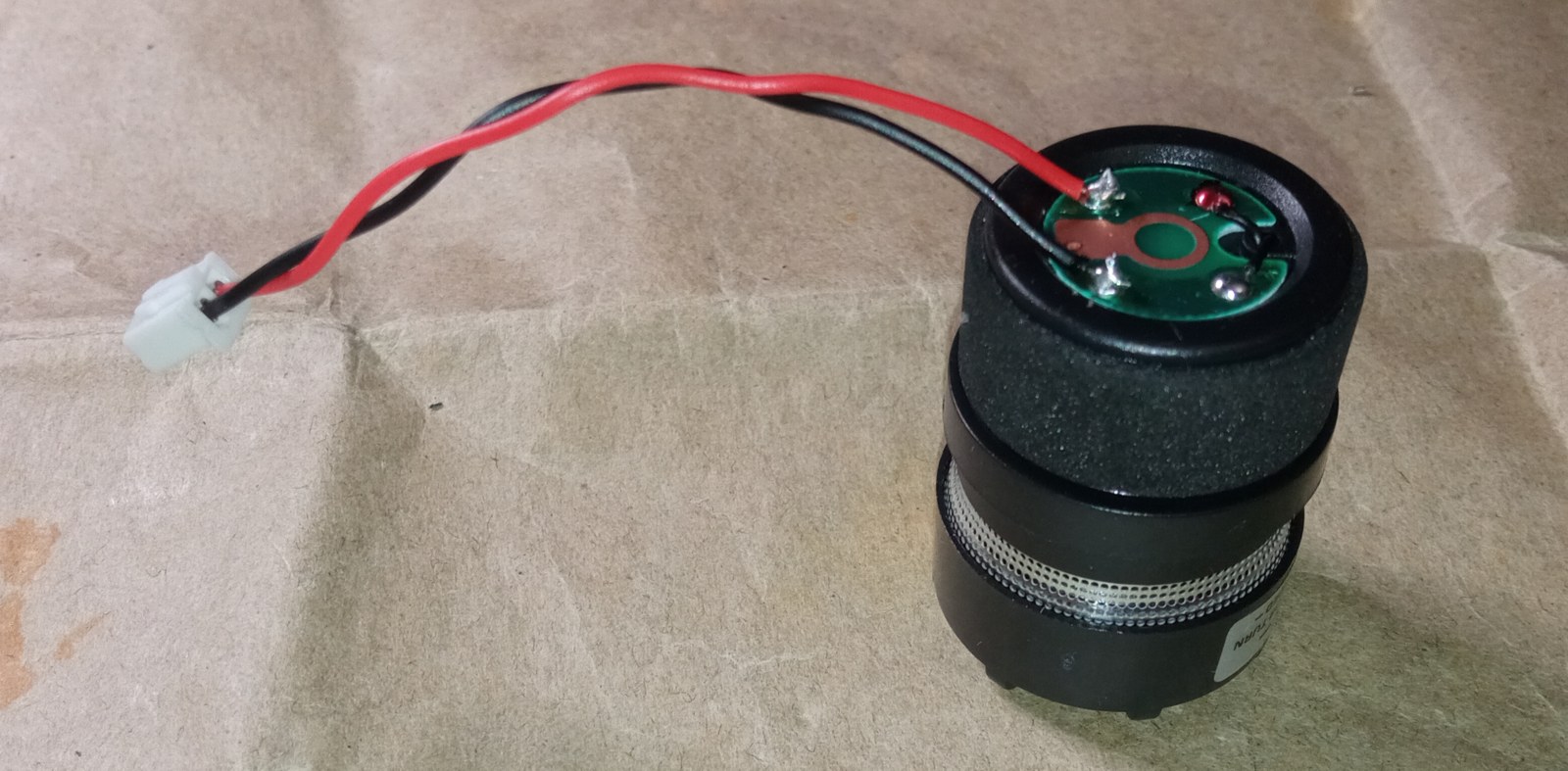
Shure SM58 cartridge with grille removed

1 / 6 · Shure SM58 cartridge with grille removed

Shure SM58 cartridge with grille removed·Monoklon·CC BY 4.0

Why it mattered

  1. 01

    Its shock mount and spherical pop filter made it tolerant of rough stage handling.

  2. 02

    It became the best-selling vocal microphone in the world, descending from the [[shure-55-unidyne|Unidyne]].

Engineering record

Frequency response
50–15,000 Hz with bass roll-off and presence rise[2]
Pattern and impedance
Cardioid; rated 150 ohms[2]
Capsule origin
Unidyne III cartridge by Ernie Seeler, also used in the SM57[1]

Original pricing

No reliable period price located

2026 equivalent

Not calculated without a reliable original price.

Public price evidence was not sufficient to publish a defensible original figure.

Use in the field

Nearly discontinued around 1970, then promoted to Las Vegas live-sound engineers, after which performers adopted it[1]

Manuals & original documents

Sources

  1. 110 Things You Might Not Know About the SM58Shure · archive · 2016-09-12
  2. 2SM58 DatasheetShure · manual

Contribute to the record

Know more about SM58 microphone?

Corrections, firsthand information, original documents, and credited photograph sources are welcome.

Your email is private and will not appear in the archive. Contributions are not published automatically.

Help build the archive

A missing piece? A correction?

Contribute to Resonant

Support the archive

Resonant is built one verified record at a time: research hours, archival image rights, and the hosting that keeps every era, equipment file, and citation free to read. If this archive is useful to you, a donation of any size keeps the next entry moving.

How donations are used

Payments go directly to the archive’s editor through Venmo and Cash App. Resonant is an independent project rather than a registered charity, so donations are not tax-deductible and nothing is sold or subscribed to in return.