The shift
Before there was a public-address system, inventors had to solve three separate problems: turn air pressure into electricity, enlarge that signal, and turn it back into air pressure with useful efficiency.
Live amplification begins with the telephone, because the telephone first turned a voice into a current. Bell’s liquid transmitter of 1876 proved that a varying resistance could follow speech, and the fragile Reis telephone had already hinted at it. The Bell magnetic receiver could turn that current back into sound, but only for one ear pressed against it.
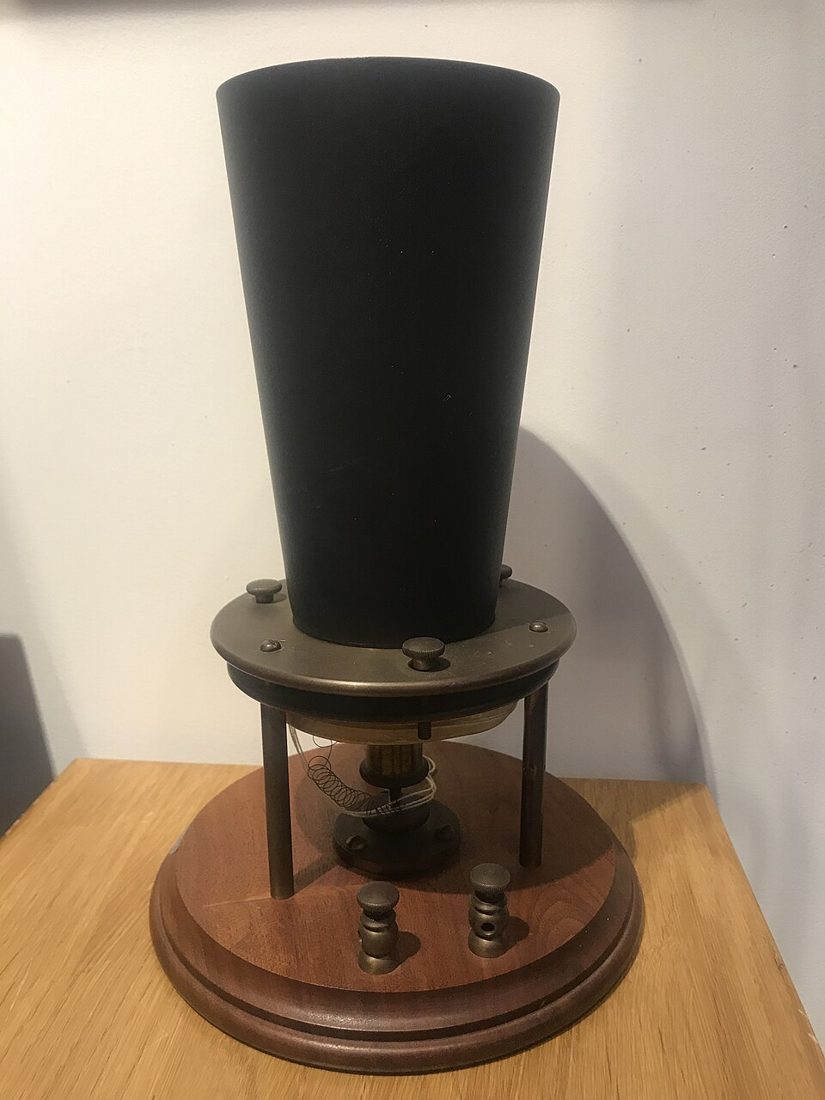 Alexander Graham Bell Liquid transmitter© CodeName47km
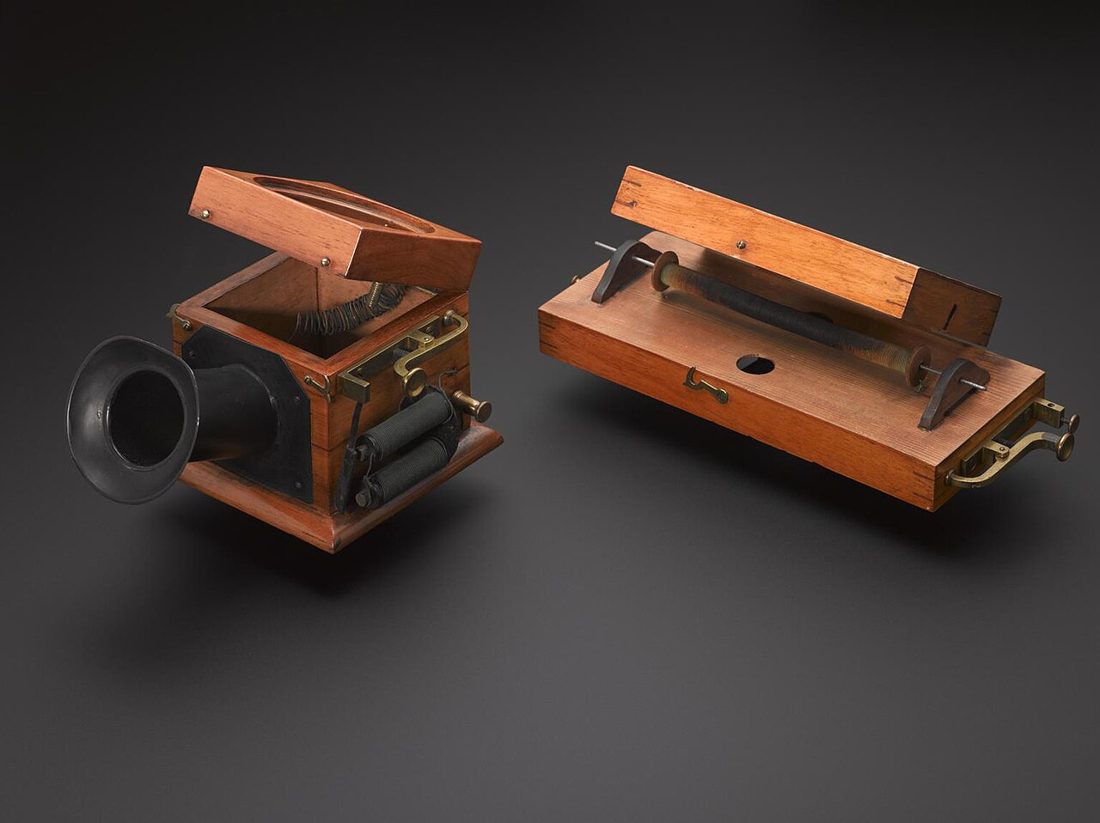 Johann Philipp Reis Reis telephone© Science Museum Group
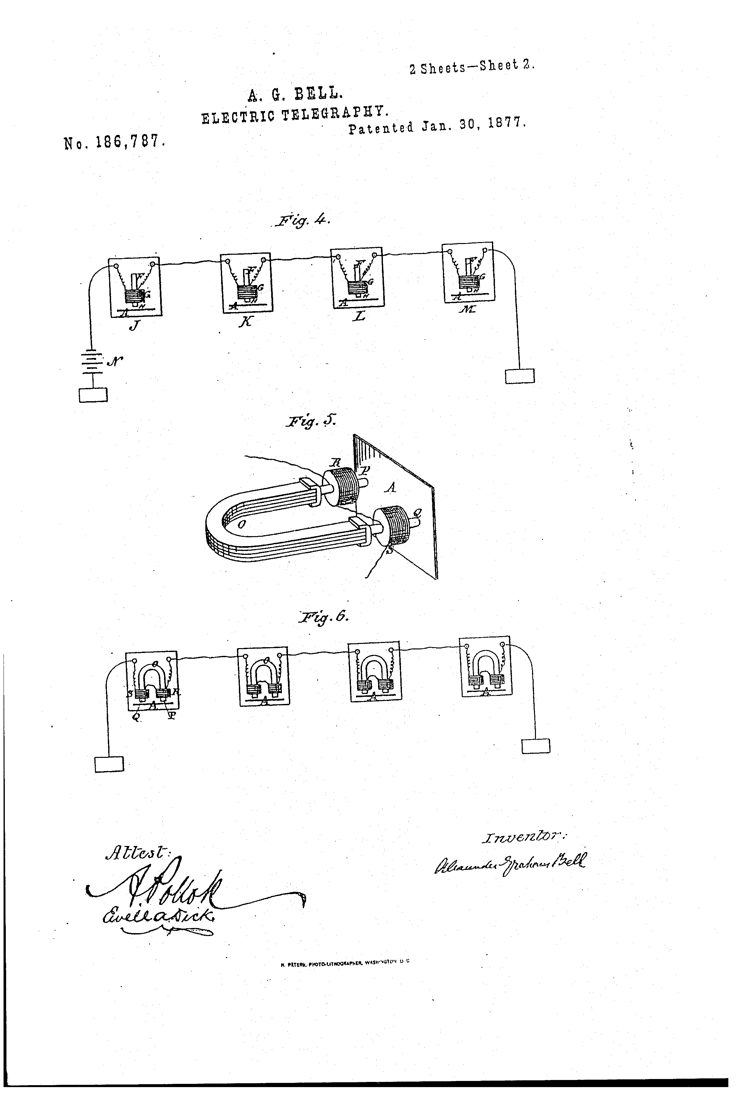 Bell Telephone Telephone receiver© Alexander Graham Bell
The carbon microphone made the signal strong enough to be useful. Edison’s carbon transmitter and carbon button, Berliner’s loose-contact transmitter, the Blake transmitter and Hunnings’ granulated-carbon transmitter each raised output and stability. That extra level later let carbon microphones drive the first public-address amplifiers directly. On the reproducing side, Lodge’s 1898 moving-coil patent described the motor that every dynamic loudspeaker still uses, decades before anyone could feed it enough power.
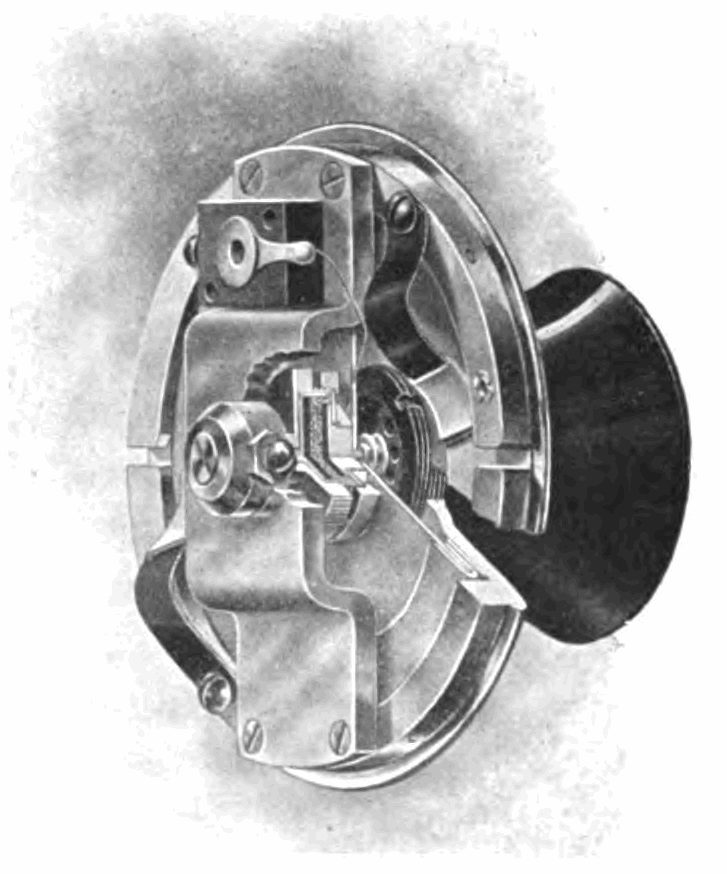 Multiple inventors Carbon transmitter© H. R. Van Deventer
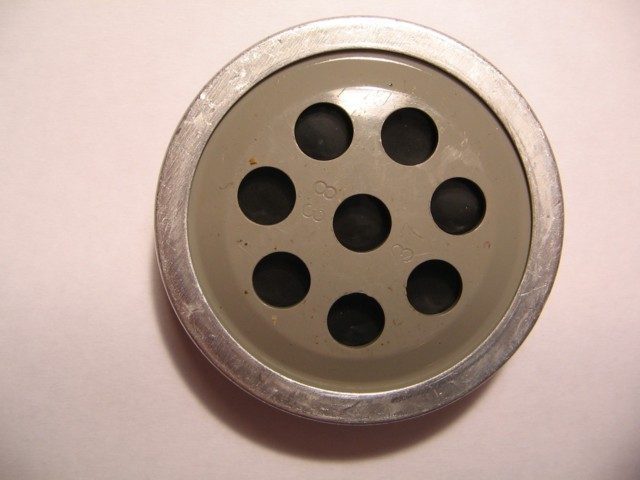 Thomas Edison Carbon-button transmitter© Gerry Ashton
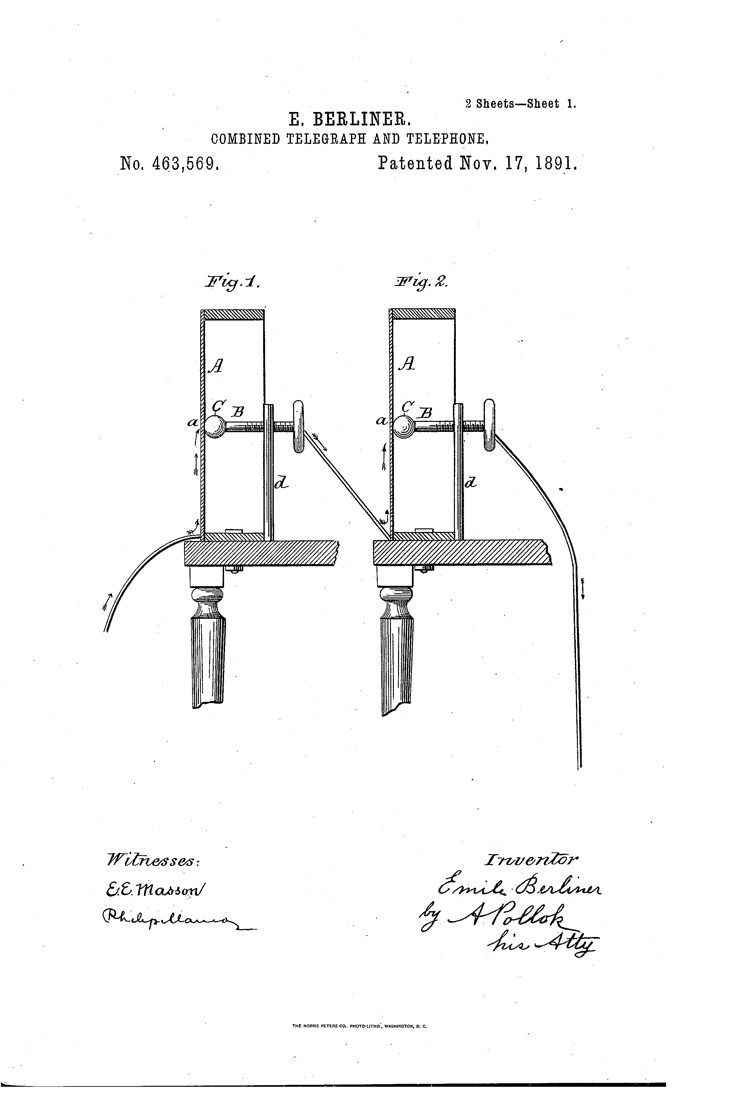 Emile Berliner Loose-contact transmitter© Emile Berliner
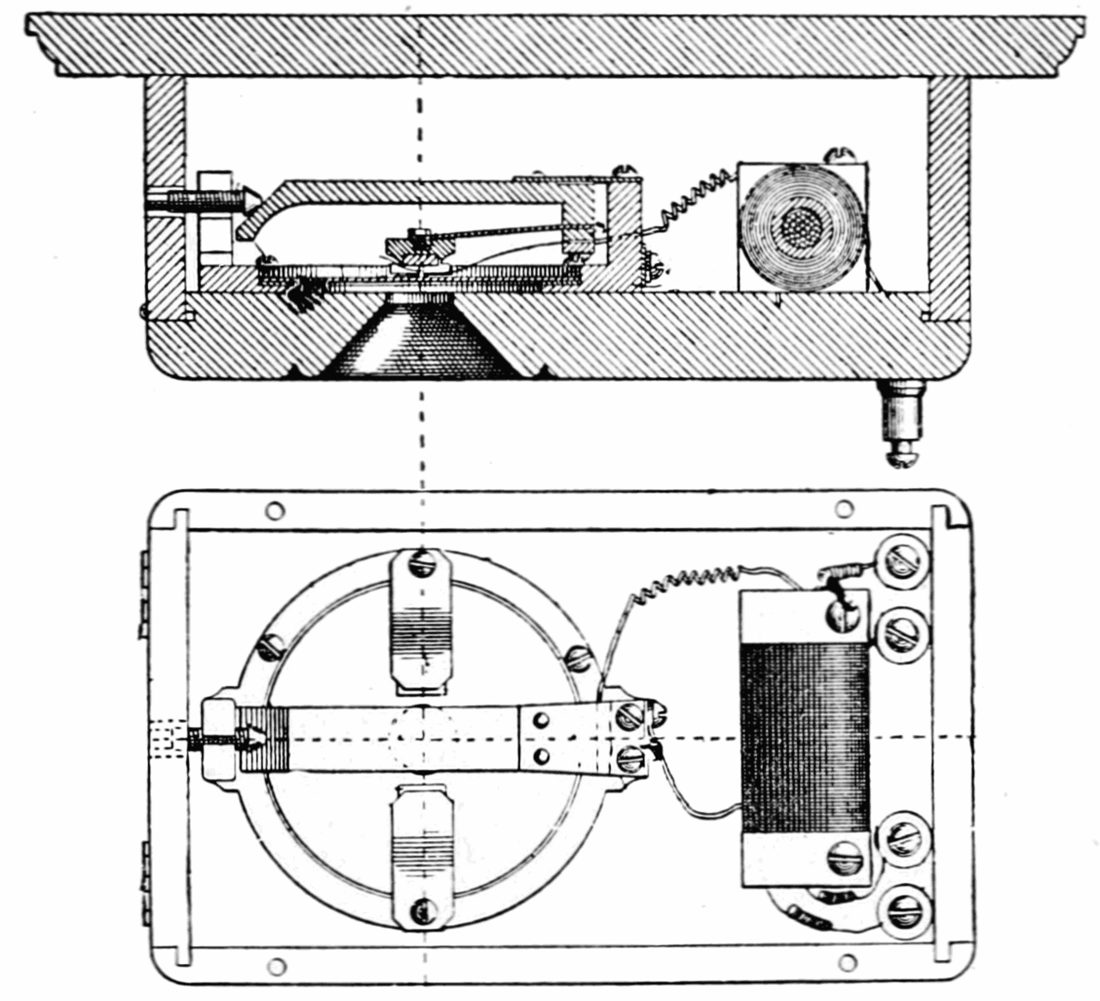 Francis Blake Blake transmitter© Popular Science Monthly, vol. 70 (1907)
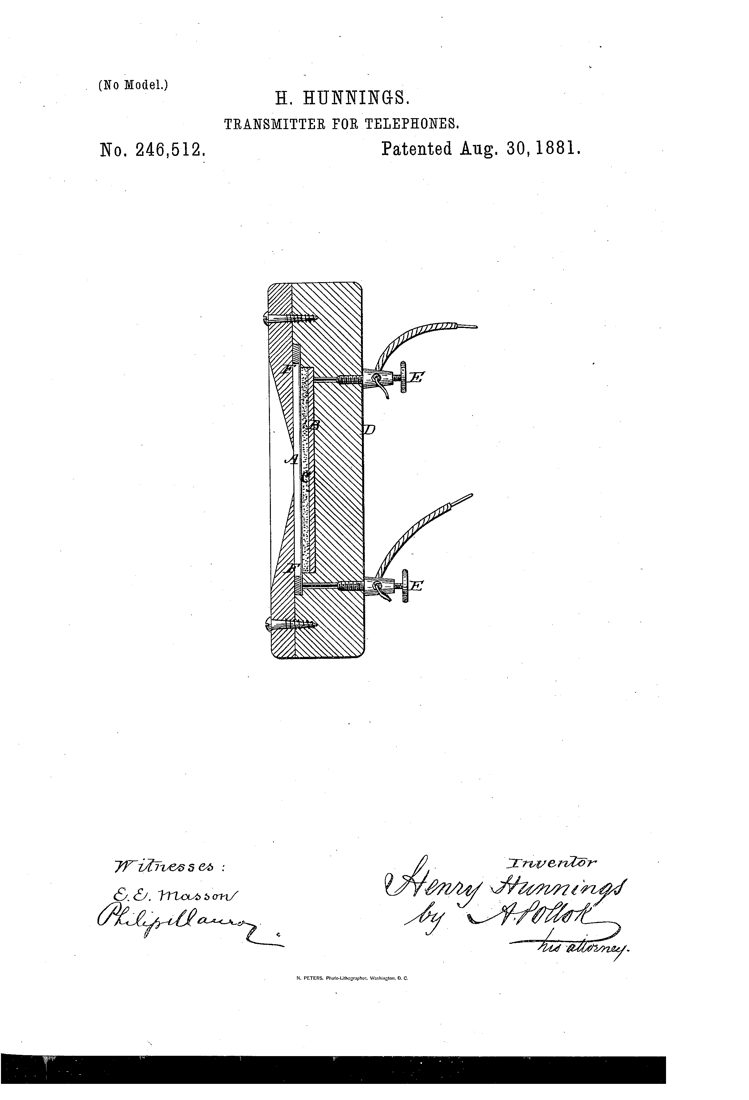 Henry Hunnings Granulated carbon transmitter© Henry Hunnings
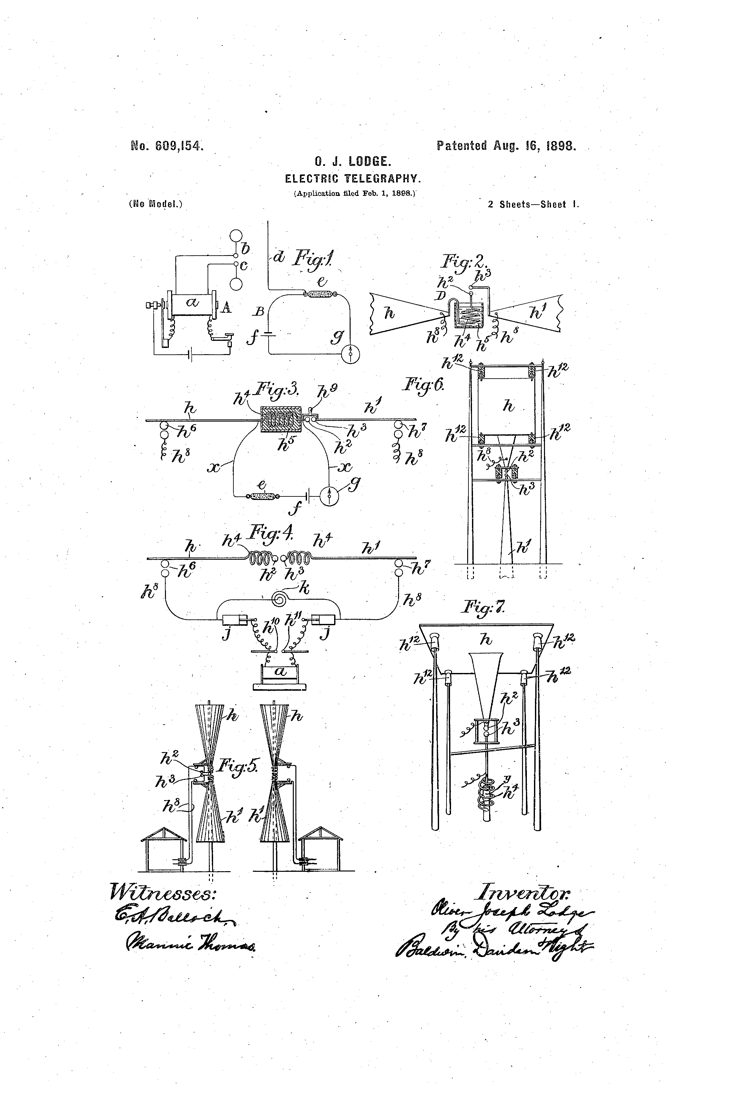 Oliver Lodge Moving-coil transducer patent© Oliver J. Lodge
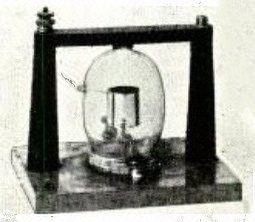
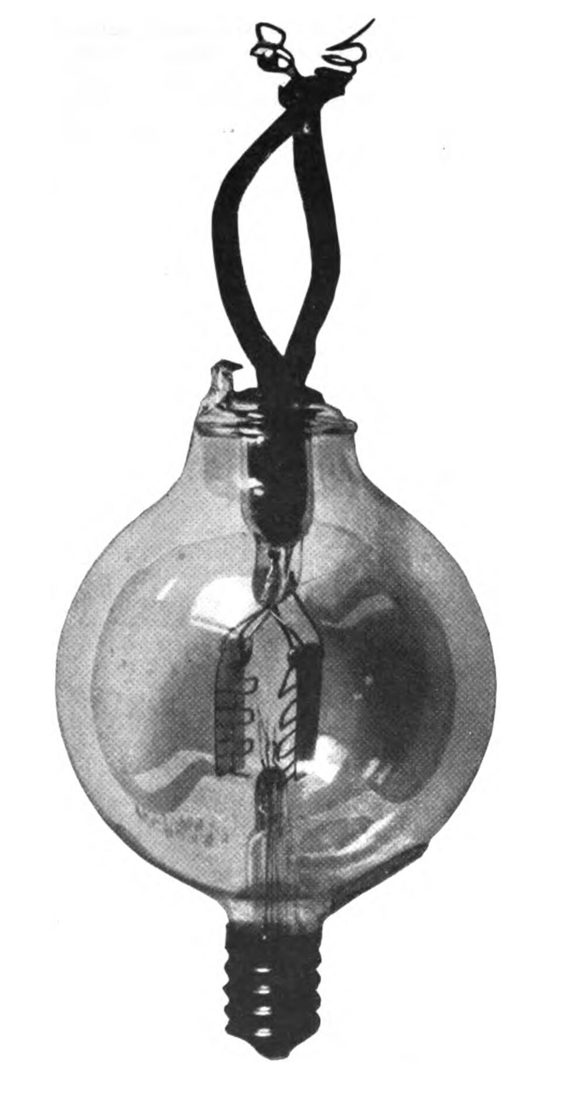
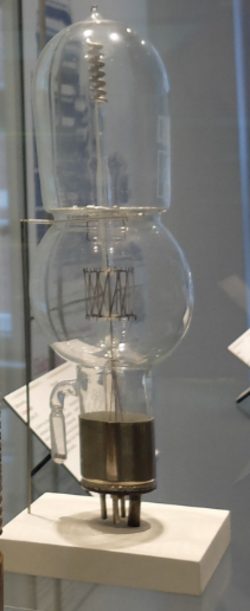
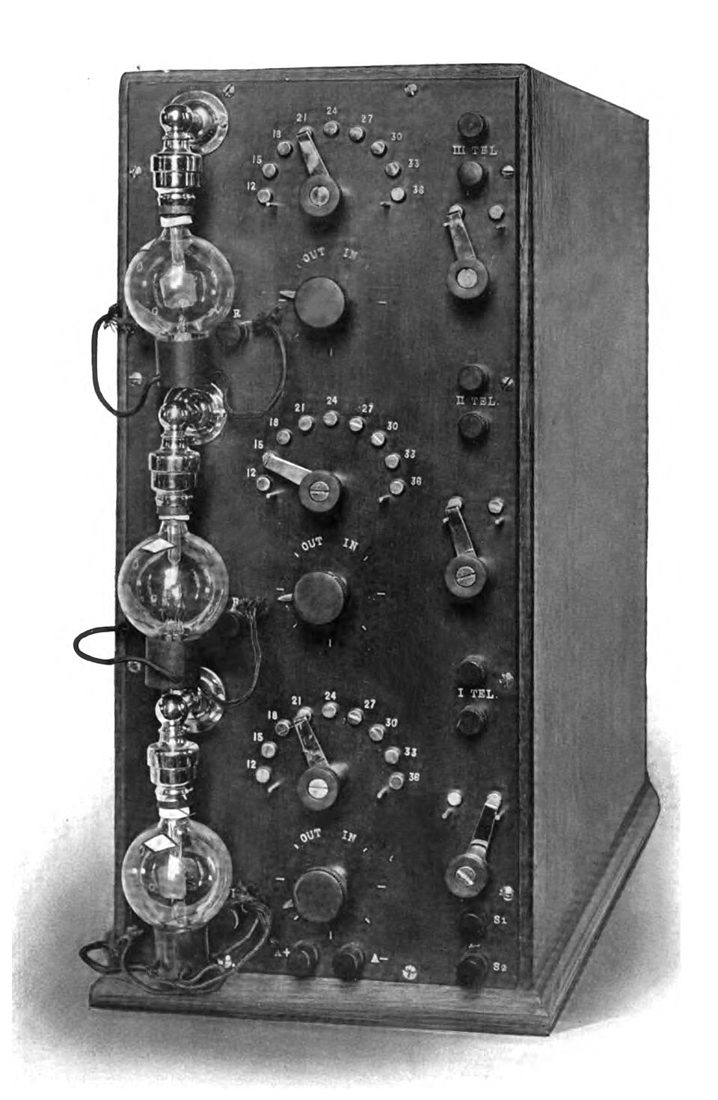
Power came from the vacuum tube. Fleming’s two-electrode valve could only rectify. De Forest’s three-electrode Audion and the Lieben–Reisz valve added a control grid. Once Arnold and others made that grid work as a true gain stage, the Audion amplifier could lift a carbon microphone’s output to loudspeaker level. Microphone, amplifier, loudspeaker: the chain every modern live system follows was now complete on paper, and the next era would wire it into public halls.
Chronology
Milestones
The telephone speaks
Early electromagnetic receivers demonstrate that electrical current can reproduce intelligible speech.
Carbon microphones gain sensitivity
Variable resistance in carbon granules produces a stronger speech signal than earlier transmitters.
The moving-coil principle
Oliver Lodge receives a British patent describing a moving-coil loudspeaker mechanism.
The Audion
Lee de Forest patents a three-electrode vacuum tube; subsequent circuits turn it into a practical amplifier.
High-vacuum tube amplification
Improved tube manufacture and feedback understanding make cascaded electronic gain increasingly practical.
Technical principle
Acoustic impedance matching
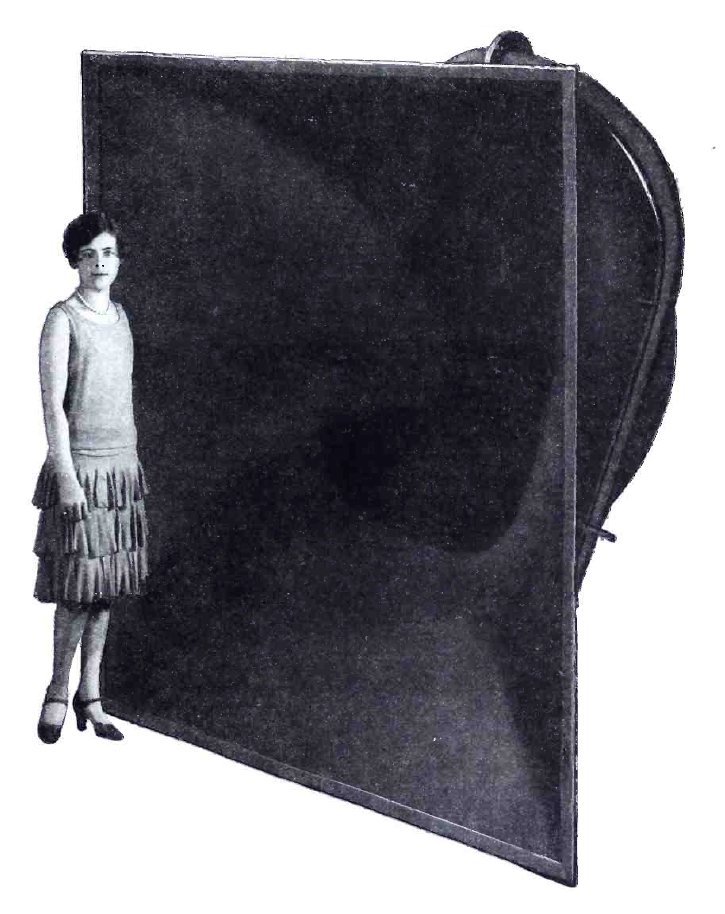
A small diaphragm couples poorly to open air at low frequencies. A horn gradually transforms the high pressure, low-volume motion at its throat into lower-pressure, higher-volume motion at its mouth. The gain is acoustic efficiency, not electrical power.
Simplified signal chain
Working vocabulary