Equipment file · Large-format digital console

SD7

DiGiCo · 2007–2008

Evidence status · documented

Identity and core specifications are documented; some historical fields remain unavailable.

DiGiCo showed the SD7 as a concept at PLASA 2007 and confirmed it in 2008. Designed by John Stadius, it introduced Stealth Digital Processing, combining a large FPGA with Tiger SHARC DSPs for 256 processing paths at 96 kHz.

Introduced
2007–2008
Category
Large-format digital console
Intended use
Flagship touring, broadcast and theatre
Production
DiGiCo; SD7T and SD7B variants

Equipment photographs · 2
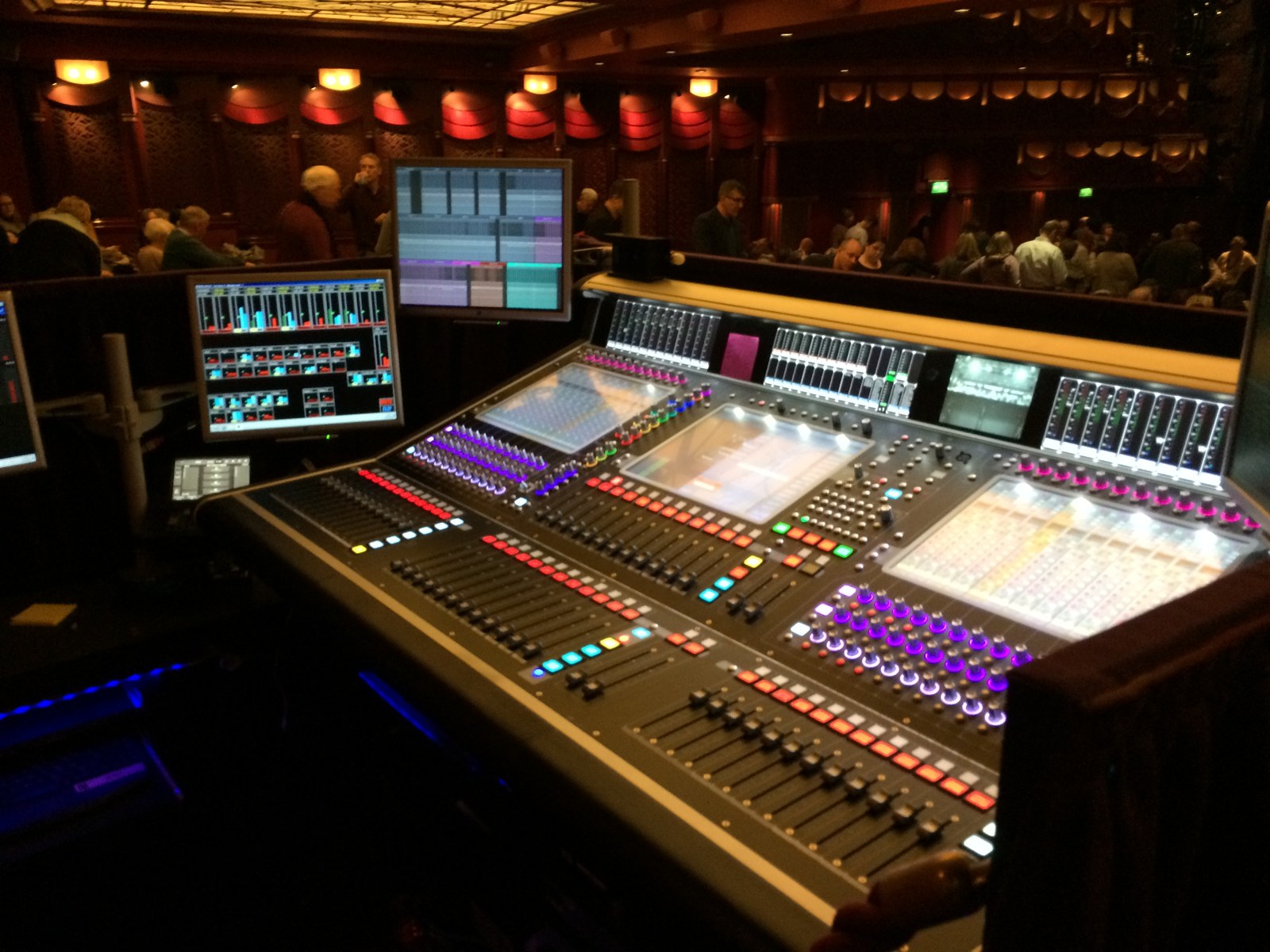
DiGiCo SD7T theatre variant at Miss Saigon, February 2016

1 / 2 · DiGiCo SD7T theatre variant at Miss Saigon, February 2016

DiGiCo SD7T theatre variant at Miss Saigon, February 2016·97OllieB·CC BY-SA 4.0

Why it mattered

  1. 01

    DiGiCo claimed eight times the power of the [[digico-d5-live|D5 Live]].

  2. 02

    It established the FPGA-based SD range.

Engineering record

Processing
Large FPGA with Analog Devices Tiger SHARC DSP[2]
Capacity
256 paths at 96 kHz, 128 buses plus 32 matrix[2]
Interface
Hidden-Til-Lit displays and large touchscreens[2]

Original pricing

No reliable period price located

2026 equivalent

Not calculated without a reliable original price.

Public price evidence was not sufficient to publish a defensible original figure.

Use in the field

No named deployment could be tied to this exact item by a checked source yet. Know of one? Suggest it on the contribute page.

Manuals & original documents

Sources

  1. 1PLASA 2007 – DiGiCo Unveils SD7Mix · archive · 2007-09-11
  2. 2DiGiCo lifts the bonnet of the SD7LSi Online · archive · 2008-03-17

Contribute to the record

Know more about SD7?

Corrections, firsthand information, original documents, and credited photograph sources are welcome.

Your email is private and will not appear in the archive. Contributions are not published automatically.

Help build the archive

A missing piece? A correction?

Contribute to Resonant

Support the archive

Resonant is built one verified record at a time: research hours, archival image rights, and the hosting that keeps every era, equipment file, and citation free to read. If this archive is useful to you, a donation of any size keeps the next entry moving.

How donations are used

Payments go directly to the archive’s editor through Venmo and Cash App. Resonant is an independent project rather than a registered charity, so donations are not tax-deductible and nothing is sold or subscribed to in return.