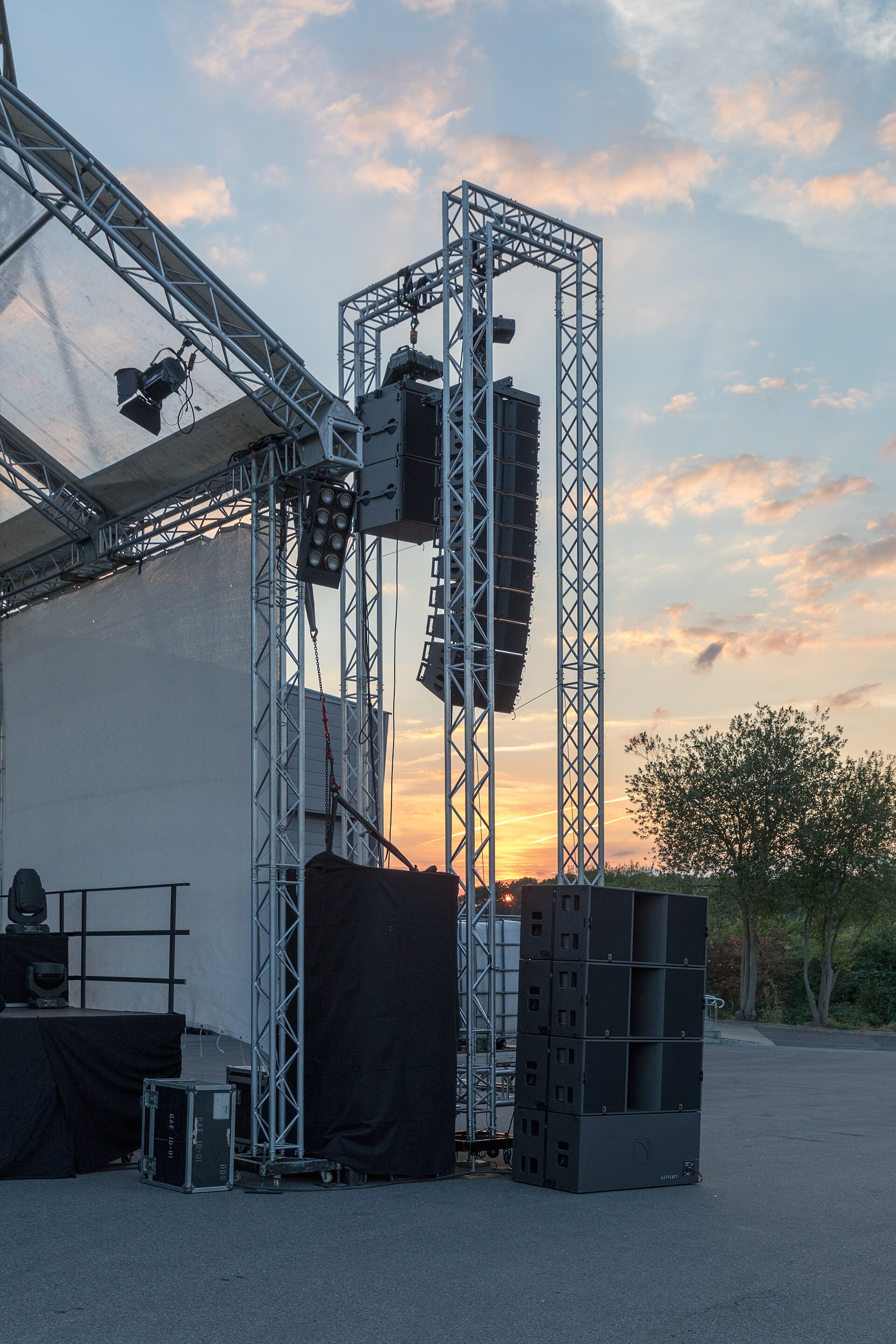
The shift
Modern immersive systems separate the artistic position of a sound object from a fixed console channel or loudspeaker bus. A rendering engine decides how many real loudspeakers should reproduce that object for each listener area.
Object-based rendering is built on that networked foundation. L-Acoustics L-ISA running on the L-ISA Processor II, d&b Soundscape on the DS100/DS110 engine, Meyer Spacemap Go on GALAXY processors, TiMax SoundHub, Astro SARA II and SPAT Revolution place each source in space. Several arrays spread across the stage let a voice appear to come from where the singer stands.
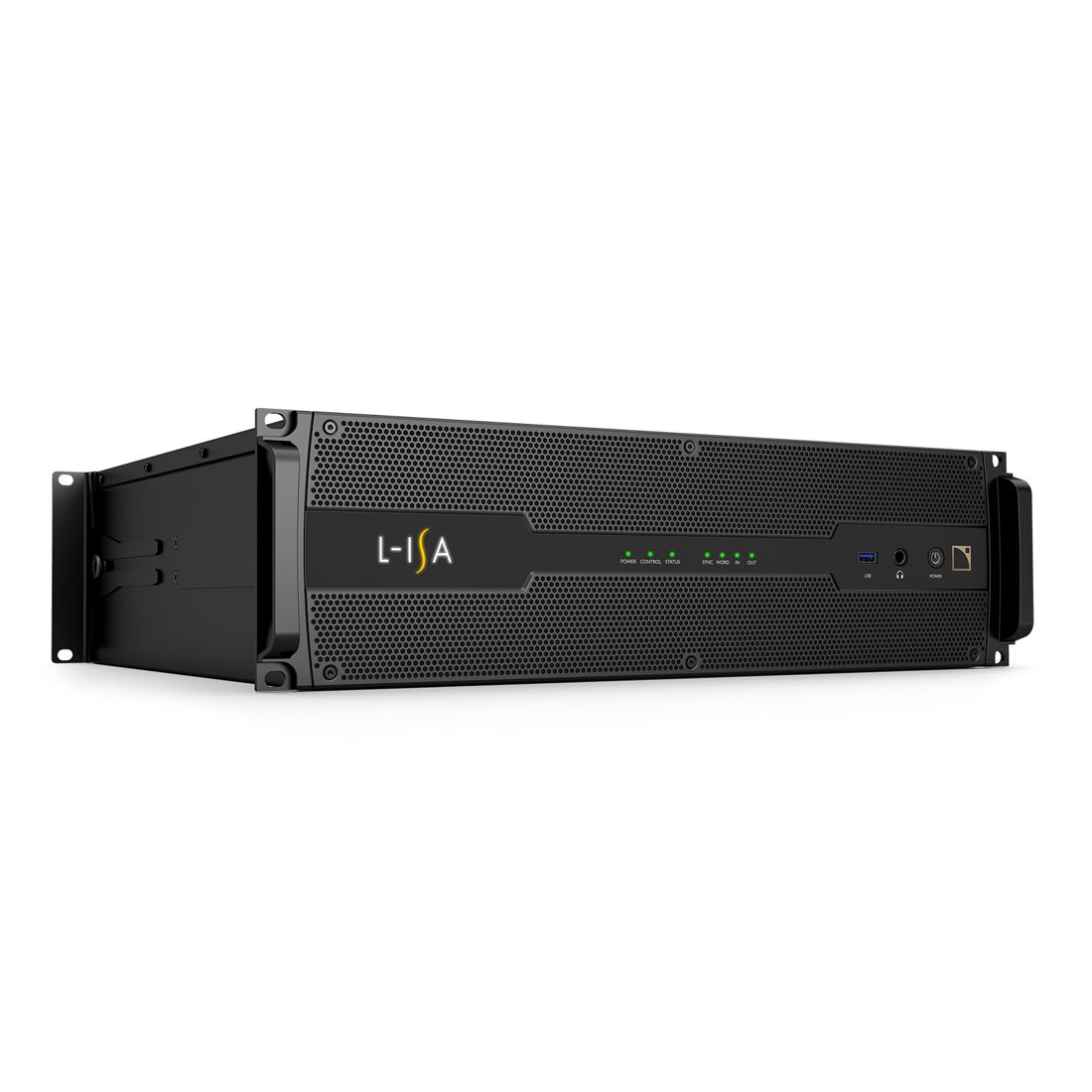 L-Acoustics L-ISA Processor II© L-Acoustics
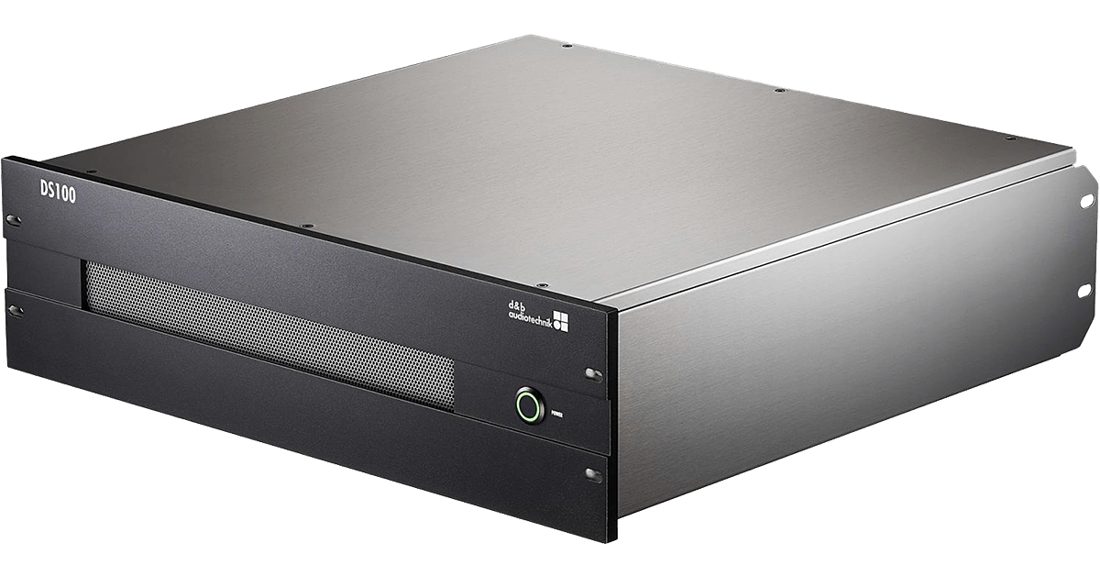 d&b audiotechnik Soundscape© d&b audiotechnik
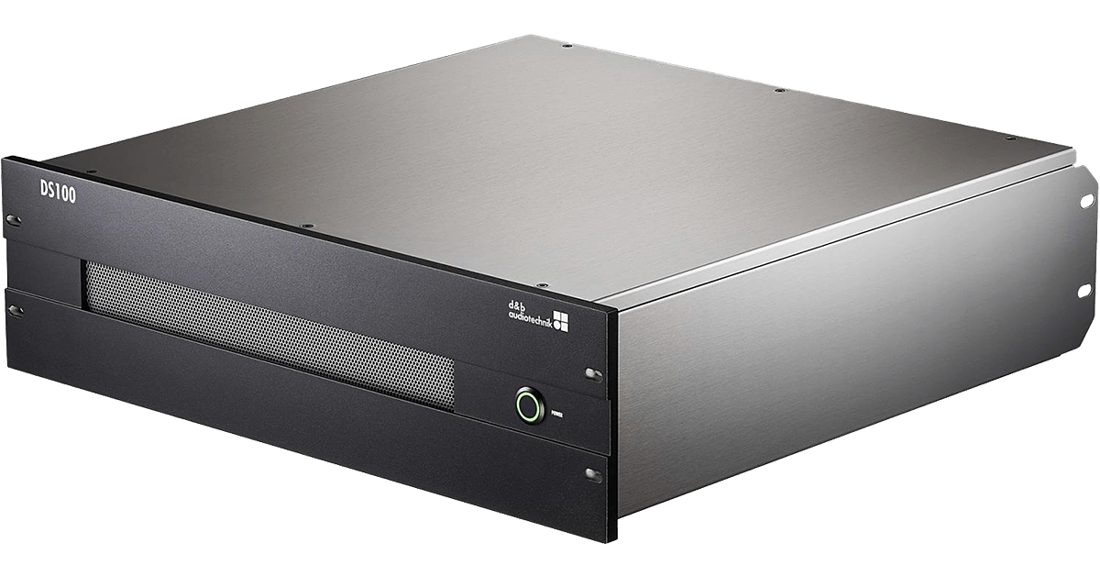 d&b audiotechnik DS110 Signal Engine© d&b audiotechnik
 Out Board TiMax SoundHub© TiMax / Out Board
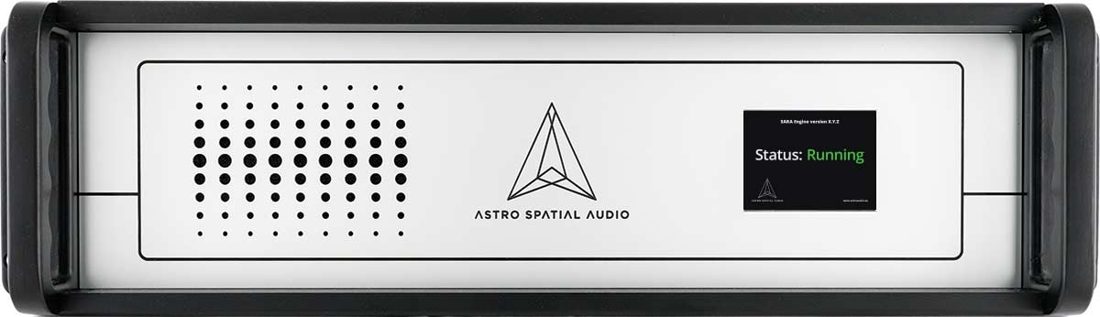 Astro Spatial Audio SARA II© Astro Spatial Audio
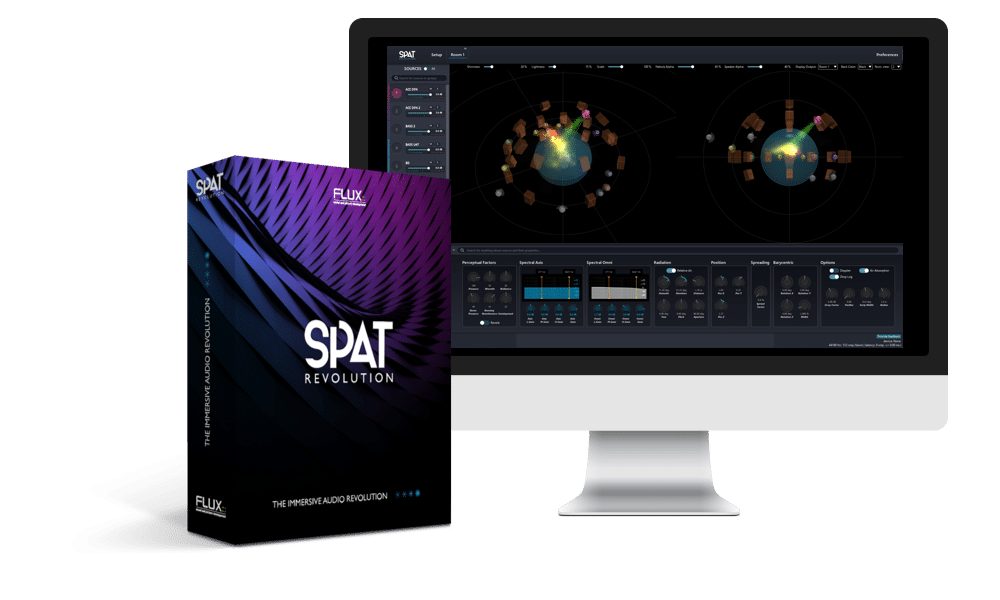 FLUX:: Immersive SPAT Revolution© FLUX:: Immersive
Tracking closes the loop between performer and renderer. Stagetracker II and BlackTrax feed position data so objects follow performers automatically. Wireless systems such as Shure Axient Digital, Sennheiser Digital 6000 and Wisycom MTK952 in-ears deliver those performers’ signals and mixes reliably in crowded spectrum.
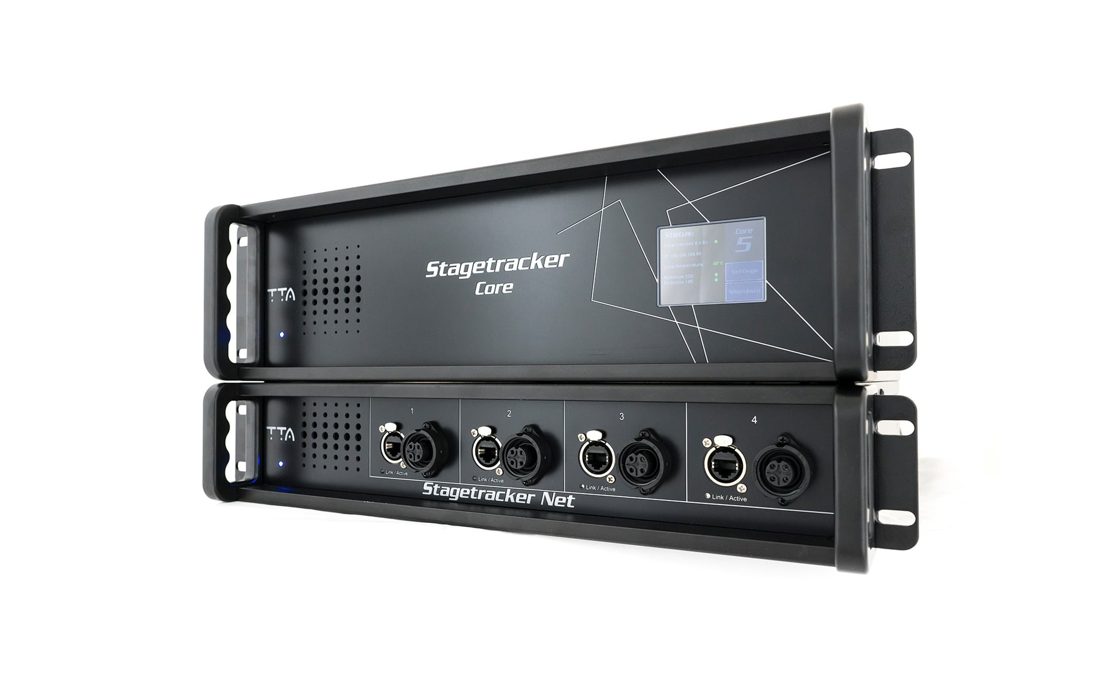 TTA Stagetracker II© TTA / Martin Audio
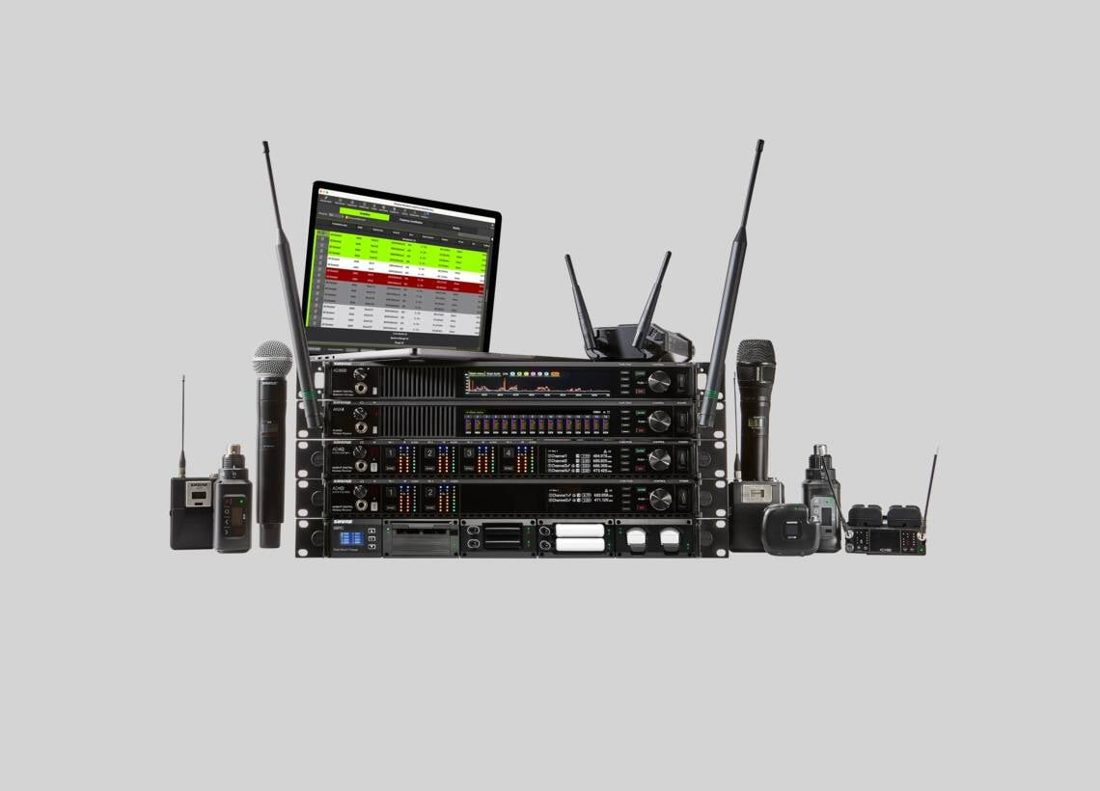 Shure Axient Digital© Shure
 Sennheiser Digital 6000© Sennheiser
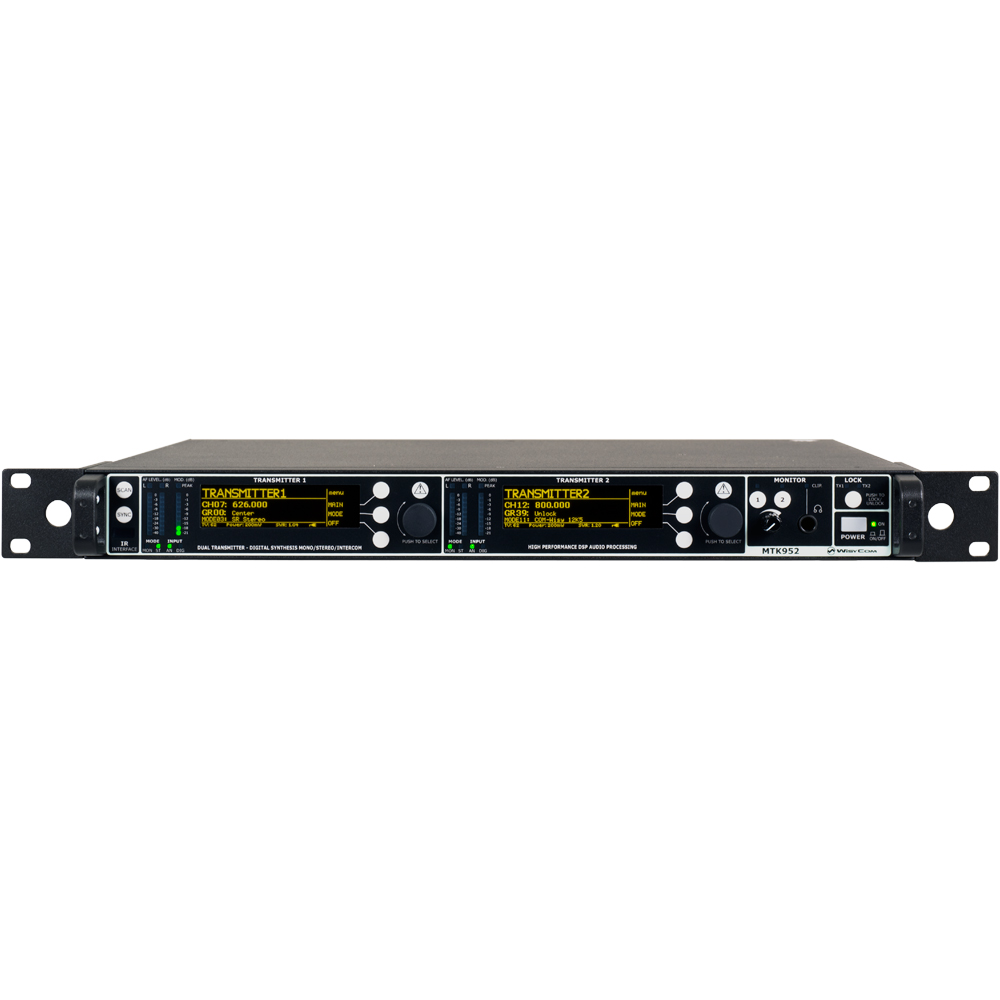 Wisycom MTK952 IEM transmitter© Wisycom
Digital coverage control developed alongside spatial mixing, but does a different job. Earlier architectural columns such as Renkus-Heinz Iconyx and Intellivox steered sound toward listeners instead of reflective surfaces. Martin Audio MLA brought multi-cell optimisation to concert-scale arrays. These systems change where loudspeaker energy goes; an object renderer changes where a musical source is perceived.
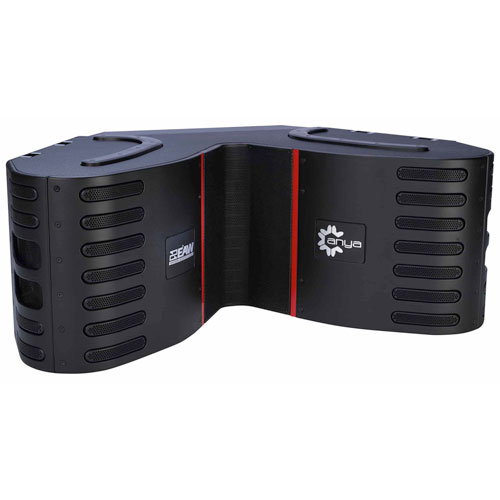
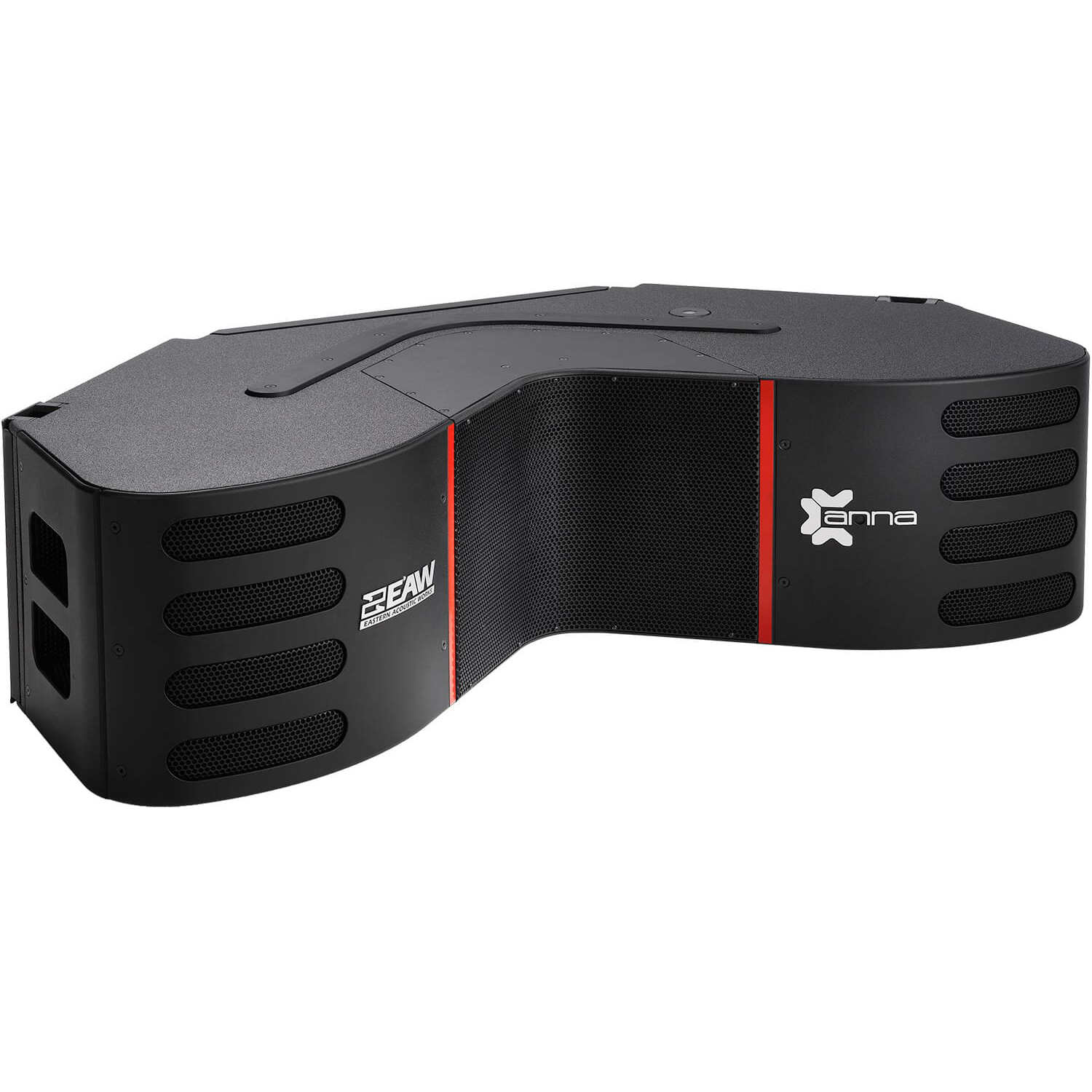
EAW’s Anya took that idea onto the concert road in 2013. Its columns hang straight rather than forming a mechanically splayed curve; each module’s 22 drivers has its own processing and amplification, allowing Resolution software to reshape coverage after the rig is flown. Dave Rat valued changing coverage during a performance to address neighbourhood noise and distant reflections. The smaller Anna carries the same adaptive approach into a 14-driver module. Robert Scovill selected a 54-module Anya system for Tom Petty’s 2014 tour: the excitement was not just a new cabinet, but a different way to adapt one rig to successive venues.
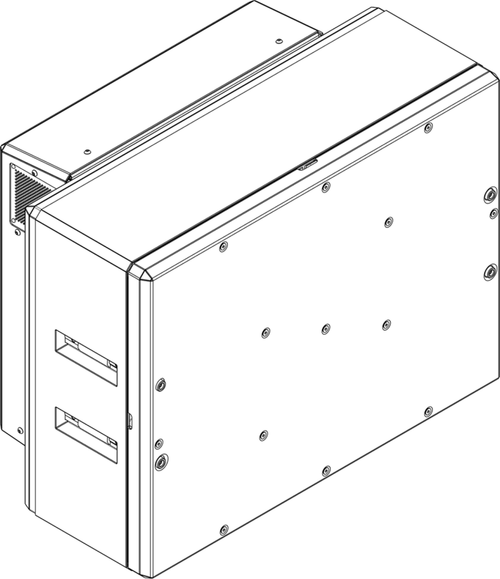
HOLOPLOT’s X1 Matrix Array adds a dense two-dimensional driver matrix, 3D Audio-Beamforming and Wave Field Synthesis. At Sphere in Las Vegas, opened to concert audiences with U2 in September 2023, the loudspeakers are largely hidden behind the LED media surface. Sound on Sound’s January 2024 account reported 1,534 fixed and 300 mobile X1 modules and 167,000 individual drivers; HOLOPLOT’s case study separately gives 1,578 modules. Those differing reported counts are retained as source-specific figures, not silently combined into a supposedly exact inventory.
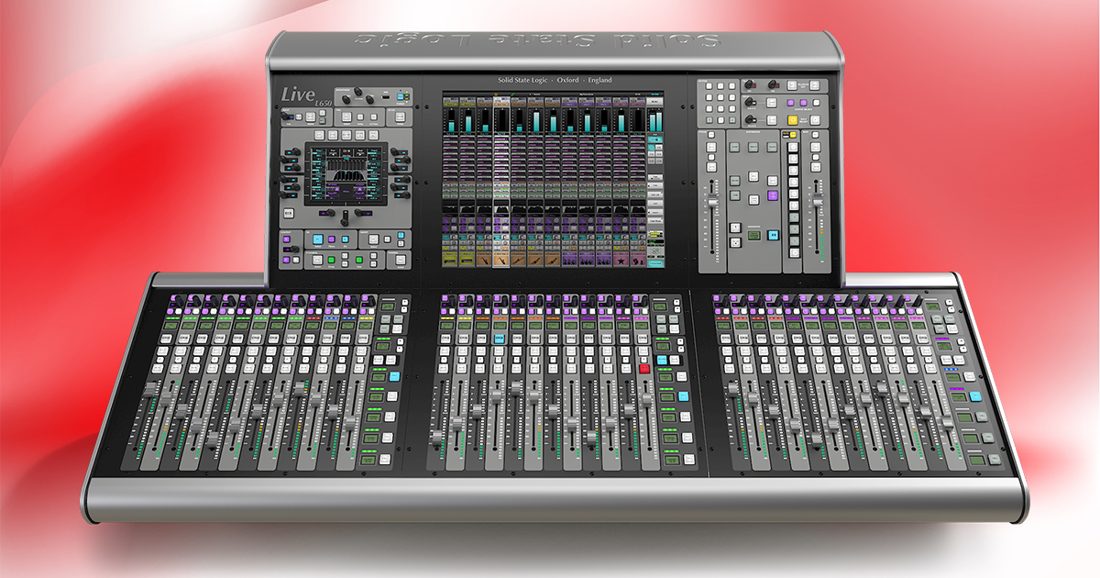
Sphere made the musical consequence audible. The Edge described quiet passages carrying with a clarity unavailable in a stadium; U2’s engineer Joe O’Herlihy saw a long-awaited step forward, while the production used surround effects selectively rather than continuously. The Eagles later illustrated a different approach: Tom Evans described routing his SSL Live L550 Plus console’s 64 aux sends to 42 zones around and above the audience, with placement automated song by song. Beam control supplies coverage; the engineer still decides what to place, where and when.
HOLOPLOT’s X2 extends the matrix-array approach to other installed applications. Conventional concert arrays such as Meyer PANTHER, KARA II, d&b GSL and KSL instead combine different improvements in weight, output or directivity: Panflex on KARA II is a mechanical horizontal-coverage adjustment, whereas SL-Series processing and driver layout provide broadband rear rejection. Neither feature should be confused with Anya’s adaptive coverage or a matrix array’s multiple beams.
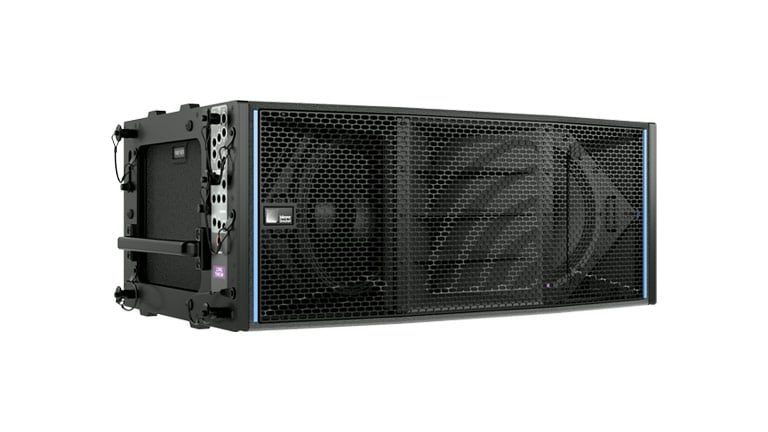 Meyer Sound PANTHER© Meyer Sound
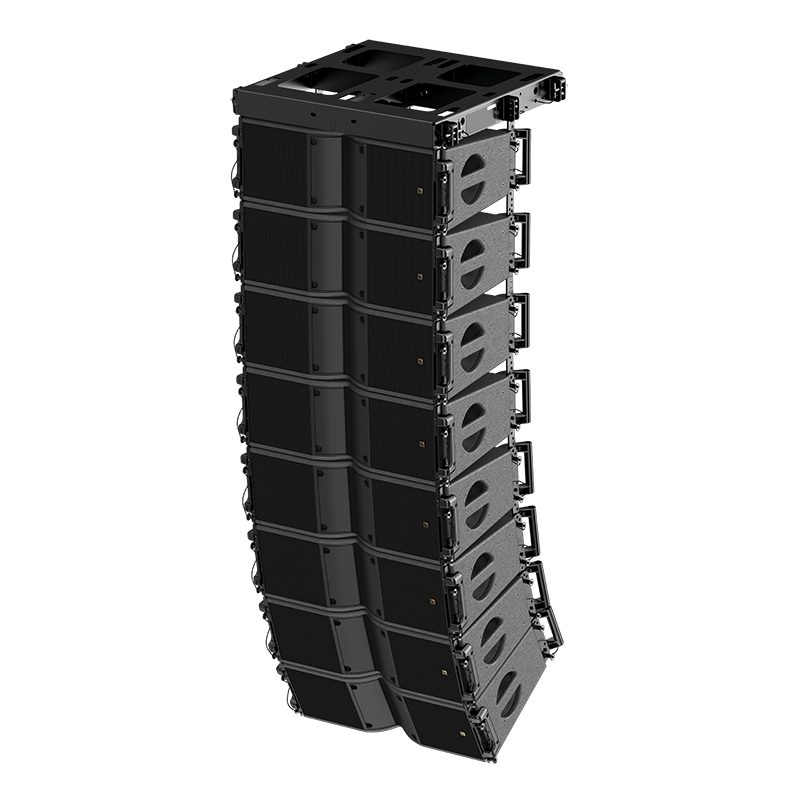 L-Acoustics KARA II© L-Acoustics
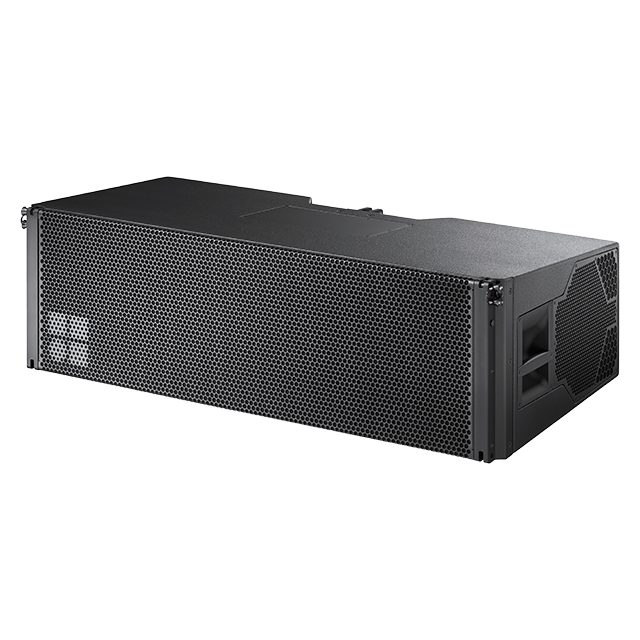 d&b audiotechnik GSL System© d&b audiotechnik
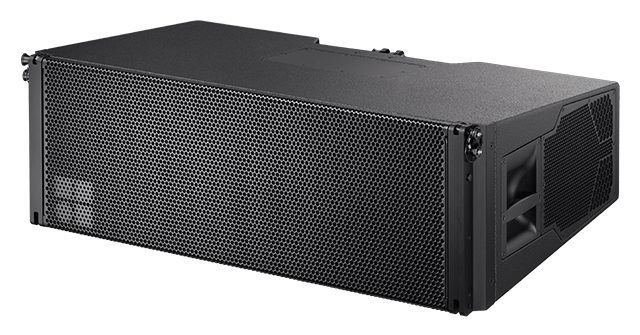 d&b audiotechnik KSL/SL-Series cardioid array© d&b audiotechnik
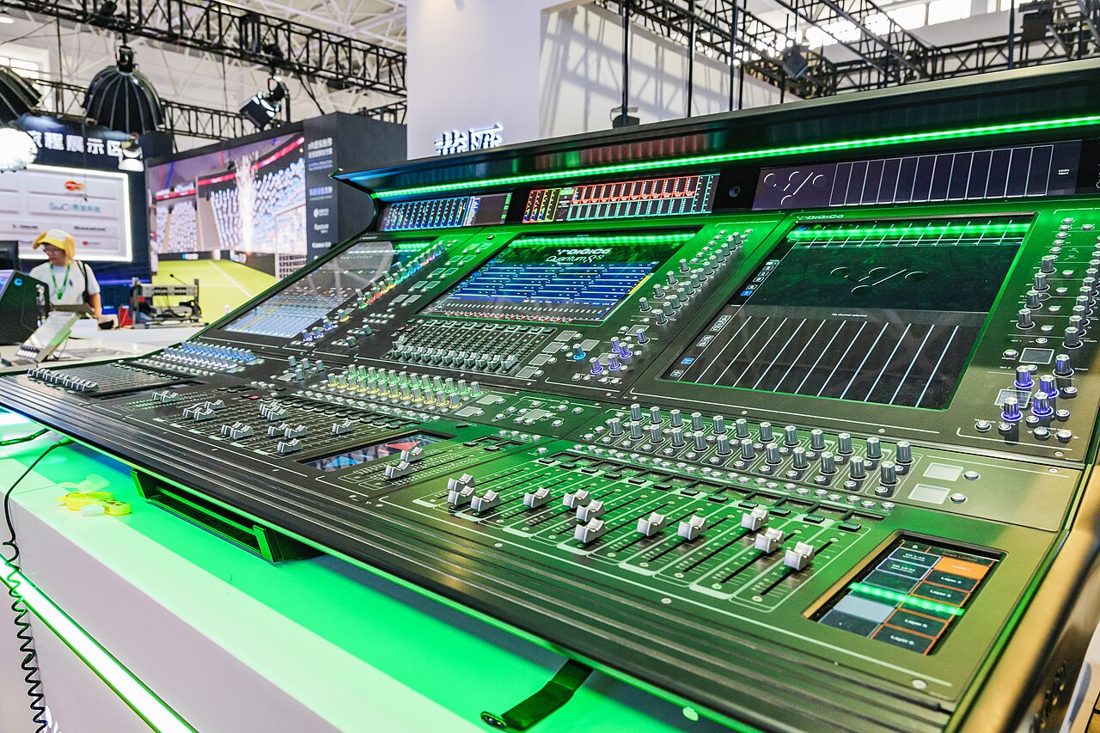
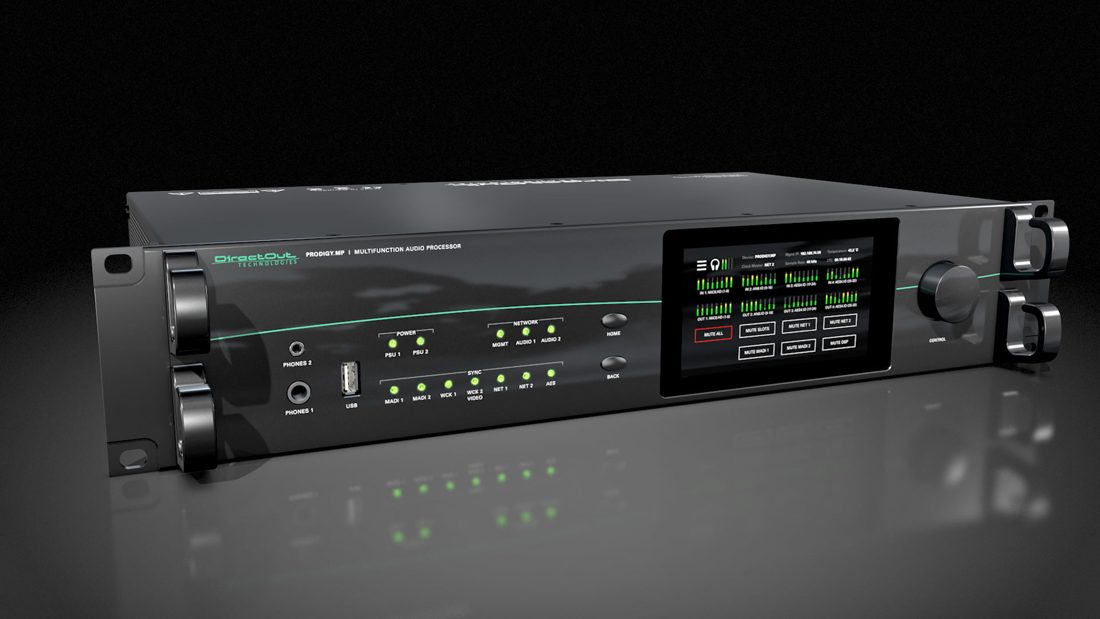
At front of house, consoles such as the DiGiCo Quantum 7, Quantum 852 and SSL L650 now send object metadata alongside audio. Waves SuperRack and DirectOut PRODIGY.MP handle processing and routing between formats. The likely future is hybrid: conventional arrays for efficient coverage, spatial rendering for localisation, and more automated optimisation under human artistic control.
Chronology
Milestones
Anya takes adaptive coverage on tour
Coachella prototype deployments lead to production systems and Tom Petty’s 54-module touring rig.
Soundscape enters production
d&b develops a signal engine and software workflow for source-oriented and room-emulation processing.
L-ISA scales to major shows
Object-based spatial reinforcement moves into prominent concert and residency productions.
Spacemap Go
Meyer Sound brings spatial design and live panning control to the GALAXY network platform.
HOLOPLOT X1
A concert-scale matrix-array platform combines independent driver control, 3D beamforming and wave field synthesis.
Sphere opens with U2
A large X1 installation behind the LED media surface makes targeted coverage and spatial placement part of a concert residency.
The renderer becomes an instrument
Tracking, automation, and show control make spatial position a repeatable part of the mix.
Technical principle
Objects, rendering, and beam steering
An audio object combines a signal with metadata such as position and spread. The renderer calculates gains, delays, and filters for the available loudspeakers. Beam-forming arrays add per-driver control, creating directional wavefronts that can be aimed or shaped electronically.
Simplified signal chain
Working vocabulary
Selected sources